Why Hong Kong's Neighbourhoods Defy the Global Urban Model
From vertical villages to midnight dim sum runs, Hong Kong's communities operate on a scale and intimacy that few global cities can match.
3 min read
Updated 17 h ago
From vertical villages to midnight dim sum runs, Hong Kong's communities operate on a scale and intimacy that few global cities can match.
3 min read
Updated 17 h ago
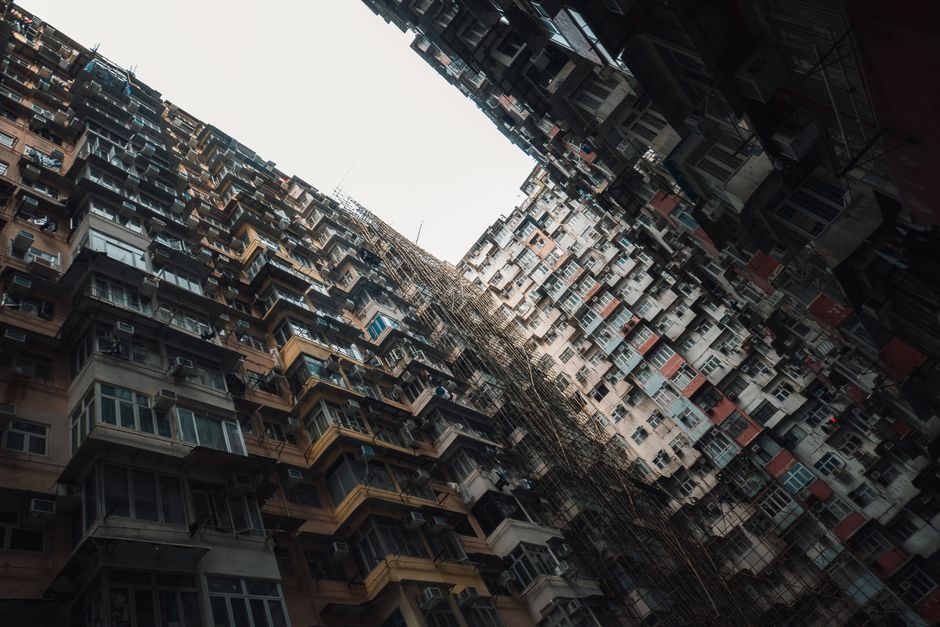
Walk through Mong Kok on a Saturday evening and you'll witness something increasingly rare in world capitals: thousands of people moving through dense street markets, grabbing $2 USD bowls of wonton noodles, browsing bootleg phone cases, all within a neighbourhood that feels both hyper-commercial and deeply intimate. This is what makes Hong Kong's urban fabric singular—a city where verticality, density, and community coexist in ways that challenge how we think about modern city living.
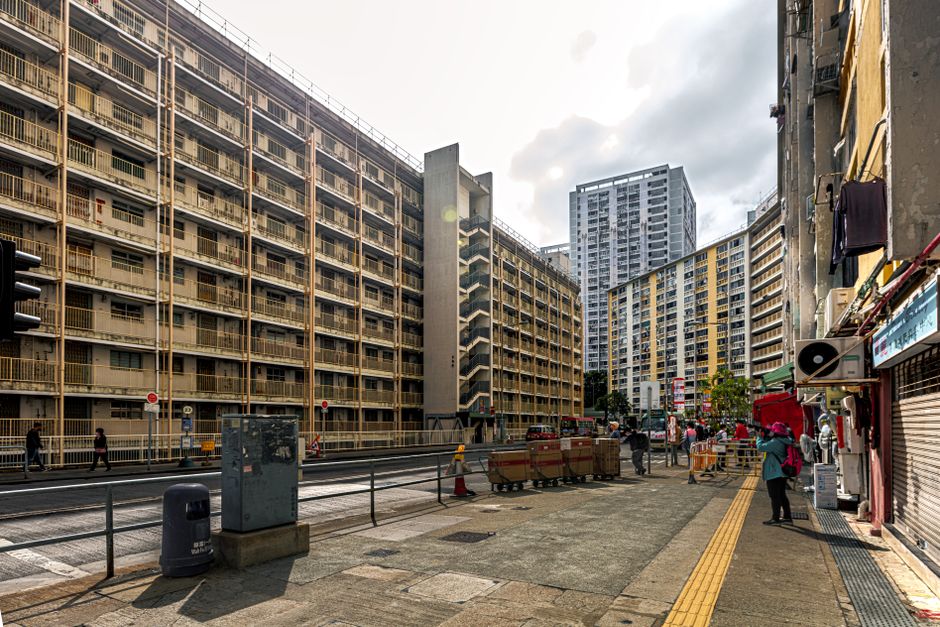
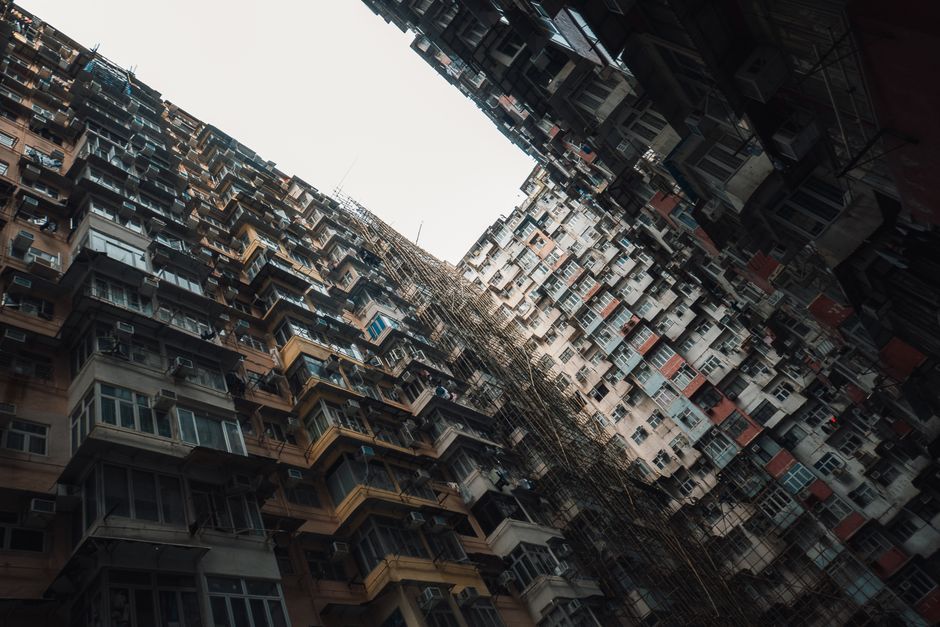
Unlike London's sprawling boroughs or New York's distinct neighbourhoods separated by subway rides, Hong Kong's communities stack themselves. In Central, a 30-storey office tower shares a lobby with a dai pai dong serving $3 USD congee. Causeway Bay's residential blocks sit directly above flagship stores. This vertical mixing—what urbanists call "intensive mixed-use"—means neighbours span wealth brackets and professions in ways that create genuine urban texture rather than gentrified homogeneity.
The statistics underscore this uniqueness. Hong Kong's 7.5 million people occupy just 1,104 square kilometres, making it denser than Manhattan, yet 40% of the territory remains undeveloped. Where other cities sprawl, Hong Kong stacks. Where other cities segregate, Hong Kong mingles. A property manager might grab dim sum at 2am in a 70-year-old restaurant in Sheung Wan alongside delivery drivers and night-shift nurses—this casual cross-class intimacy remains standard here, increasingly obsolete elsewhere.
Neighbourhood identity persists too, despite globalization. Sham Shui Po still operates as a hub for electronics and fabric traders, much as it has for decades. Ap Lei Chau's fishing community—though diminished—still anchors local identity. Even trendy areas like PMQ in Central preserve artisan communities rather than replacing them entirely. Compare this to how rapidly Brooklyn or East London erase previous inhabitants, and you see Hong Kong's peculiar commitment to layering rather than clearing.
The street-level economy reinforces community bonds. Dai pai dong owners know regulars by sight; wet market vendors build relationships across generations; neighbourhood temples function as genuine civic hubs, not Instagram backdrops. Apps and delivery services exist, but the city's DNA remains rooted in physical, repeated encounter—harder to achieve in sprawling cities where distance isolates.
This doesn't mean Hong Kong escapes global pressures. Rising rents and development threaten traditional communities. Younger residents increasingly migrate to outlying areas like Tseung Kwan O. Yet the city's physical constraints—the mountains, the harbour, the colonial street patterns—create a resistance to total homogenization that Tokyo maintains and most Western cities have surrendered.
Hong Kong's neighbourhoods aren't preserved museums or gentrification showcases. They're living, messy, economically integrated spaces where community remains functional rather than aesthetic. That's what makes them genuinely exceptional.
This article was compiled by AI from the sources linked above and screened before publishing. See our editorial standards.
About this article
Published by The Daily Hong Kong
Spread the word
Daily brief
Free, in your inbox before 7am. Weekdays.
Before you go
The day's Hong Kong news in a 2-minute read. Free, weekday mornings.