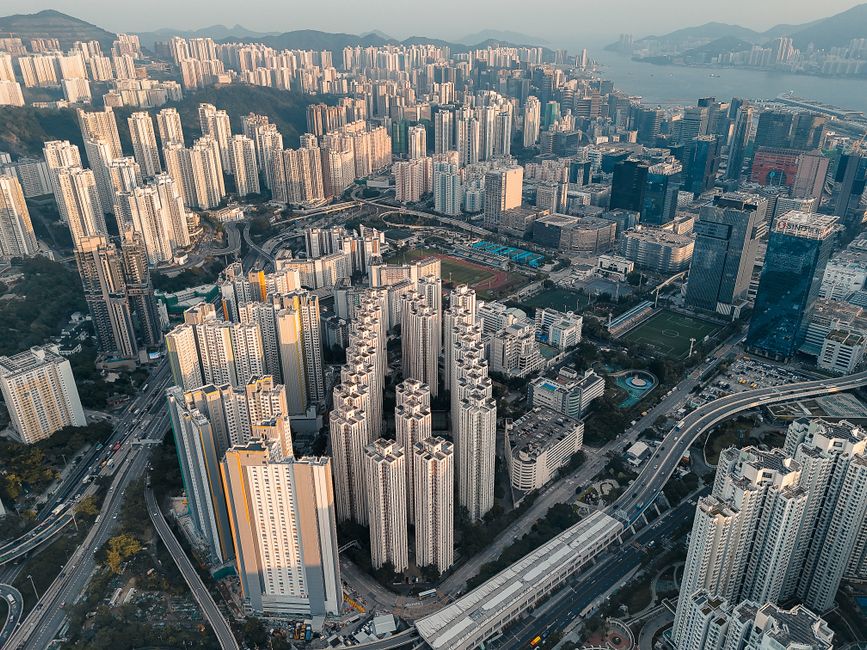
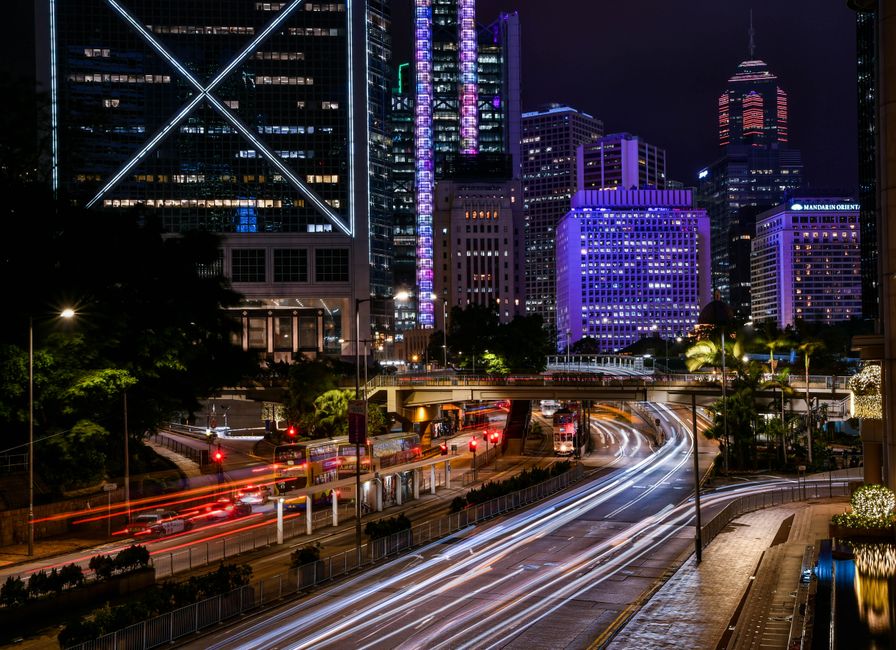
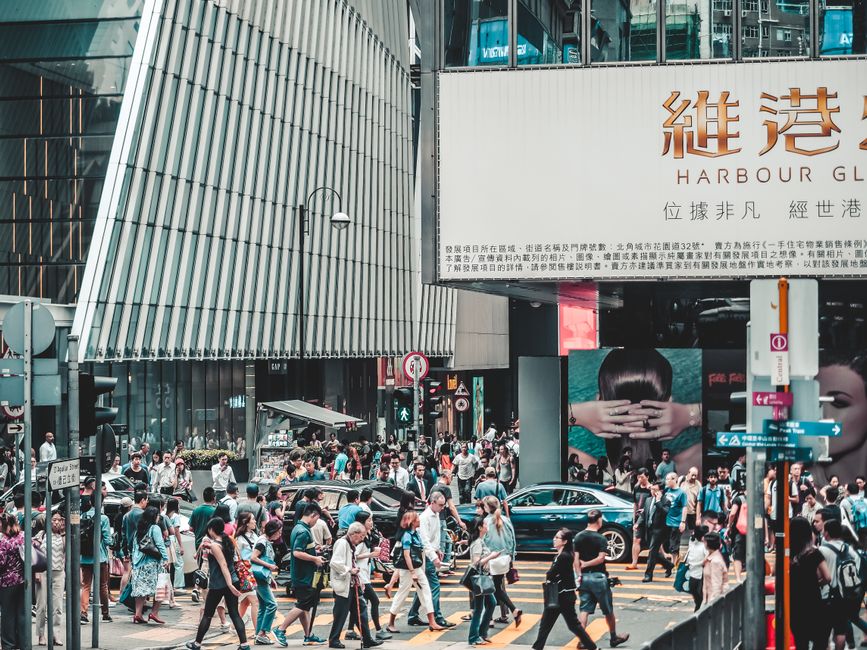
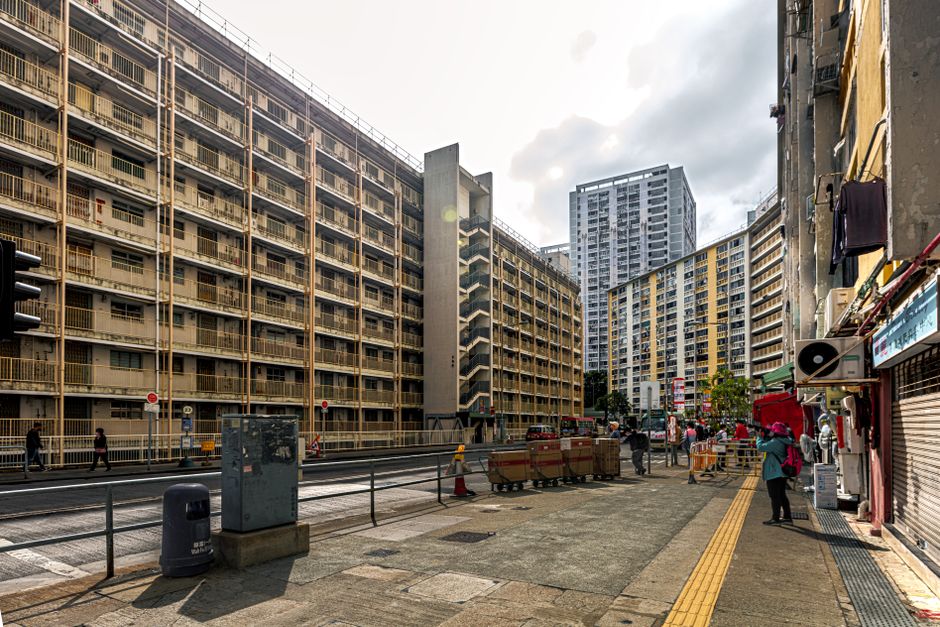
Walk out of Central's glittering skyscrapers and within 20 minutes you could be hiking through subtropical forest at Victoria Peak, or kayaking among mangroves in Sai Kung. This isn't contradiction; it's Hong Kong's defining paradox, and it separates this city from virtually every other global metropolis competing for residents and visitors.
Consider the numbers. Despite having roughly 7.4 million people squeezed into 1,104 square kilometres, Hong Kong dedicates 40 per cent of its land to country parks and green spaces—a figure that dwarfs New York (27 per cent), Singapore (32 per cent), and London (35 per cent). Yet Hong Kong achieves this while maintaining some of the world's highest population density in its urban core.
The Kowloon Walled City Park in Mong Kok exemplifies this distinctly Hong Kong approach: built atop the rubble of a former slum, it now offers 3.4 hectares of Qing Dynasty-inspired gardens steps away from neon-lit Nathan Road. Similarly, the recently expanded Central Waterfront promenade transforms reclaimed harbour space into public realm—something cities like Shanghai or Dubai struggle to achieve with genuine accessibility.
What truly sets Hong Kong apart is the accessibility. Most residents live within walking distance of accessible green space. Pok Fu Lam Country Park's trails attract office workers in lunch breaks; Tai Tam Tuk Reservoir draws families on weekends; and the rugged islands of Lantau remain undeveloped despite proximity to the airport. Compare this to London's green-space deserts in outer boroughs, or New York's reliance on Central Park as the primary escape valve.
The government's commitment runs deep. The 2023 Biodiversity Strategy aims to enhance ecological value across existing parks, while programmes like Community Green Station encourage neighbourhood-level gardening. The Hong Kong Green Building Council certifies sustainable projects with increasing frequency, reflecting broader environmental consciousness absent in many peer cities during their growth phases.
Perhaps most crucially, Hong Kong's green spaces feel genuinely wild. While Singapore's parks are manicured and controlled, and London's require constant management, Hong Kong's country parks preserve authentic subtropical ecosystems. The Peak District is genuinely rugged; Sai Kung's bays support real mangrove communities; the New Territories remain genuinely rural.
For a city perpetually ranked among the world's most expensive and densest, Hong Kong has cracked a code others haven't: you don't need to choose between cosmopolitan intensity and nature access. You simply plan your week to include both, secure in the knowledge that green space isn't a luxury amenity here—it's woven into the city's fabric.
This article was compiled by AI and screened before publishing. See our editorial standards.