Hong Kong's neighbourhood lottery is brutal. Your choice of district doesn't just determine your commute—it fundamentally reshapes your monthly budget and quality of life. Before you commit to a lease, understand what you're actually paying for across the city's vastly different communities.
The traditional power players remain financially punishing. Central and Mid-Levels command studio rents averaging HK$25,000-35,000 monthly, with one-bedroom flats easily exceeding HK$40,000. You're buying proximity to the financial district, MTR access, and centuries of prestige. Causeway Bay and Wan Chai operate in a similar stratosphere, though you trade some of Central's exclusivity for younger crowds and more dining variety along Lockhart Road and Great George Street.
Cross the harbour, and Kowloon offers marginally better arithmetic. Mong Kok and Tsim Sha Tsui remain congested and pricey (HK$20,000-28,000 for one-bedroom), but Kowloon Tong and Ho Man Tin provide breathing room—both HK$18,000-24,000 range—with better access to green space and a more residential rhythm. Prince Edward and Sham Shui Po have gentrified dramatically since 2023, attracting creatives and younger professionals; rents have climbed accordingly, but remain 20-30% cheaper than comparable Central neighbourhoods.
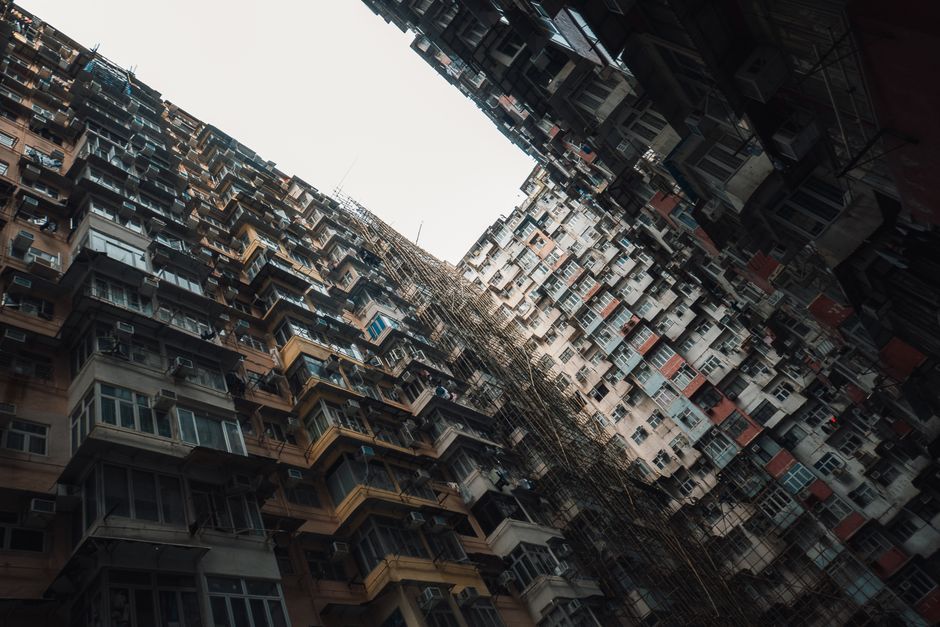
The real value lies further out. Quarry Bay's Instagram-famous residential towers cluster around HK$15,000-20,000 for spacious flats with genuine community amenities. Sheung Wan blends heritage lanes like Cat Street with affordability (HK$18,000-25,000), drawing expats seeking authenticity over prestige addresses. North Point and Fortress Hill offer similar economics with less tourist footfall.
New Territories offer dramatic savings. Sha Tin and Tuen Mun provide family-friendly environments with rents 40-50% lower than urban core areas, though you sacrifice spontaneity—nightlife clusters downtown, and transport adds time to your working day. Tai Po and Fanling attract retirees and remote workers specifically for this trade-off.
Calculate your actual transport costs. Octopus card monthly passes cap at HK$315 for unlimited MTR travel, but if you're living in Tuen Mun and working in Central, daily commutes consume 90 minutes and HK$600+ monthly anyway. Factor this into your neighbourhood decision.
Community access varies wildly. Central offers dense gyms, international schools, and premium healthcare immediately. Neighbourhood centres like Sham Shui Po's operate on Chinese cultural lines—older demographics, wet markets, local dim sum spots, fewer English-speaking services. This isn't bad; it's different. Know your lifestyle preference before signing anything.
Visit your potential neighbourhood on a weeknight and weekend morning. Watch how residents actually live, where they gather, what languages dominate. Hong Kong's neighbourhoods aren't just price points—they're separate cities within one.
This article was compiled by AI from the sources linked above and screened before publishing. See our editorial standards.