Walk into any major shopping district globally and you'll find predictable department stores, familiar chain outlets, and sanitised consumer experiences. Hong Kong? The city offers something entirely different—a raw, unfiltered retail ecosystem where centuries-old trading traditions collide with 21st-century commerce, creating an energy that few places on earth can match.
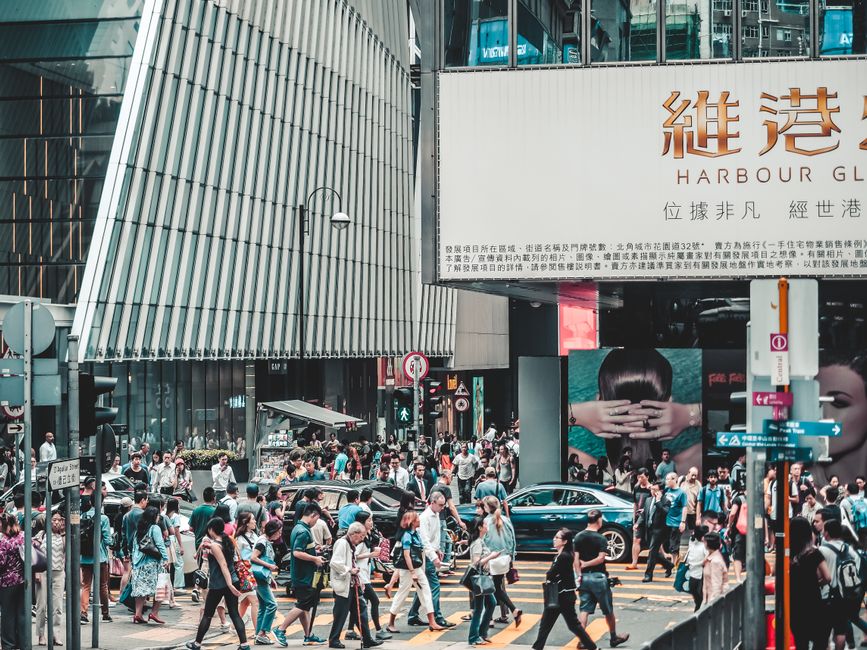
What sets Hong Kong apart is the sheer density and diversity of its markets operating in parallel universes. On the same street in Mong Kok, you might find a teenager hunting for limited-edition sneakers at 11pm (the district stays vibrant long past midnight) while a grandmother selects live chickens at a wet market metres away. This coexistence isn't accidental—it's foundational to how the city shops.
Consider the economics. While New York's Fifth Avenue or London's Oxford Street cater to single market segments, Hong Kong's street markets operate on razor-thin margins that make impulse buying irresistible. A shirt at Temple Street Night Market might cost HK$50-80, undercutting malls by 40 per cent. That price compression isn't just about affordability; it's created a culture where shopping is sport, not obligation.
The city's geographic constraints have birthed specialised districts that don't exist elsewhere. Ladies' Market in Mong Kok dominates women's fashion and accessories. Apliu Street in Sham Shui Po became the global epicentre for electronics bargains decades before online retail existed. Tung Choi Street remains unrivalled for sneaker culture. This vertical specialisation—entire streets dedicated to single categories—has no real equivalent in London, Singapore, or Sydney.
Heritage markets like Stanley Market and Cat Street (Upper Lascar Row) offer another distinction: genuine vintage and antique finds mixed with tourist kitsch, creating unpredictable treasure hunts impossible in curated Western antique districts. A 1970s jade pendant might sit beside contemporary jewellery for HK$300, with real negotiation possible.
Perhaps most crucially, Hong Kong's retail culture remains aggressively human-scaled. The MTR efficiency means a shopper can visit five different markets in an afternoon. Haggling is still expected in wet markets and street stalls—a negotiation ritual that builds community and meaning into transactions that feel sterile in chain stores worldwide.
Global shopping has largely consolidated toward homogenised mall experiences and e-commerce. Hong Kong's markets remain stubbornly local, chaotic, and human. That's precisely why they matter.
This article was compiled by AI and screened before publishing. See our editorial standards.