The Faces Behind the Skyline: How Hong Kong's People Make It Home for Newcomers
Forget the guidebooks—expats building lives here discover that the soul of Hong Kong lives in its communities, not its landmarks.
3 min read
Forget the guidebooks—expats building lives here discover that the soul of Hong Kong lives in its communities, not its landmarks.
3 min read
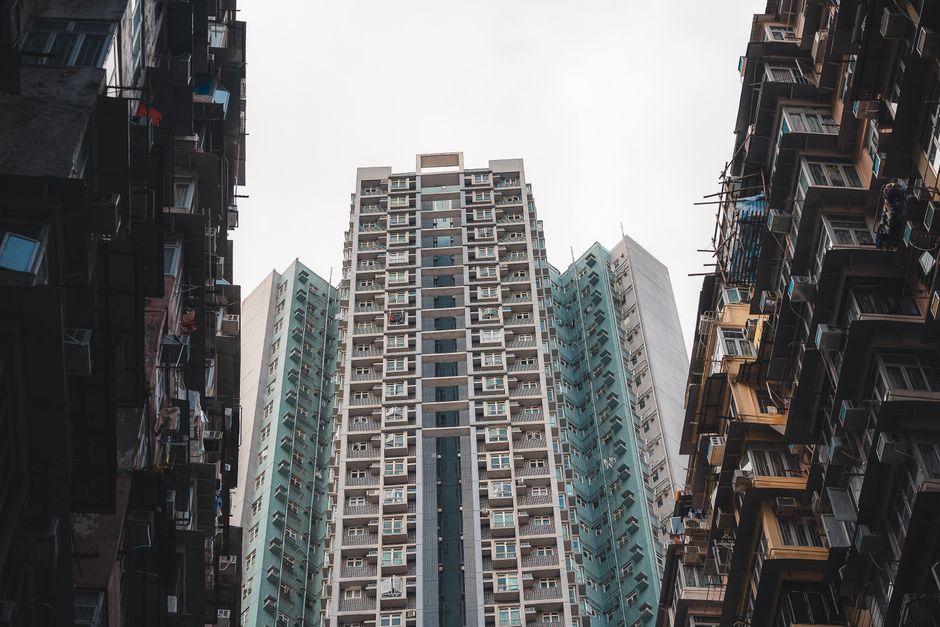
When Sarah Chen first arrived in Hong Kong three years ago as a finance professional, she expected glass towers and efficiency. What she didn't expect was to become a regular at her neighbourhood dai pai dong in Sham Shui Po, where the uncles running the stall now save her favourite seat and know her order by heart.
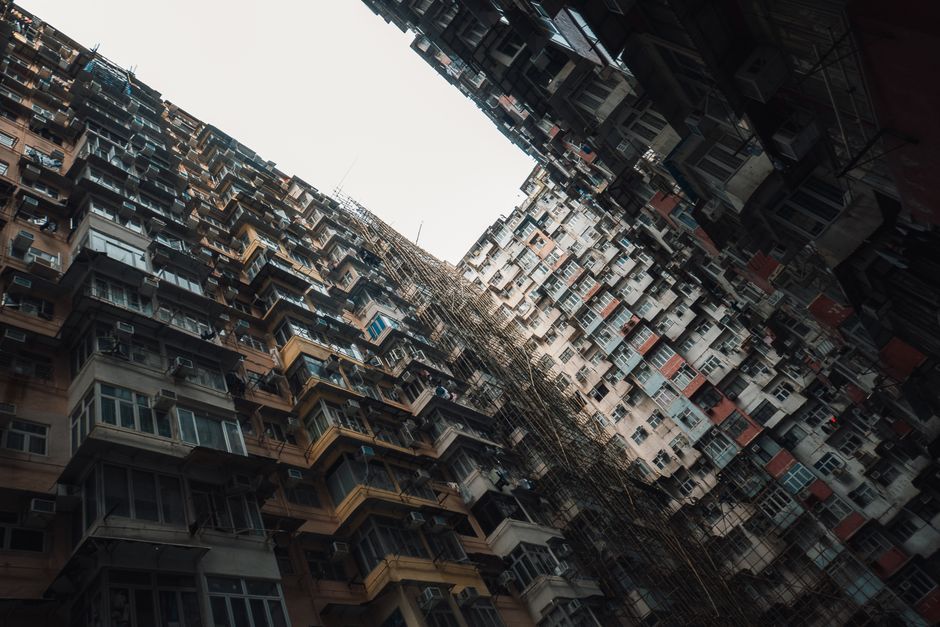
That human geography—the intricate web of connections that make Hong Kong feel less like a stopover and more like home—is often invisible to new arrivals. Yet it's precisely these relationships that define the expat experience here, transforming what could be a transient posting into something deeper.
The numbers tell part of the story. Hong Kong hosts roughly 625,000 expats, with British, American, and Australian communities among the largest. But statistics mask the real narrative: the Portuguese restaurateur in Macau who mentors newcomers on cross-border living; the Filipino domestic worker who runs an underground supper club from her employer's Mid-Levels kitchen; the third-generation Indian tailor on Des Voeux Road Central whose grandfather dressed colonial administrators.
Community hubs have become essential infrastructure for orientation. The Foreign Correspondents' Club in Admiralty remains a touchstone, but equally vital are grassroots networks—the Kowloon Residents Association, neighbourhood Slack groups, language exchange meetups in Causeway Bay cafes. The reality of relocation here is that official channels handle visas and tax files; real integration happens over conversations about school choices in Repulse Bay playgrounds or over beers at craft breweries in Wong Chuk Hang.
Neighbourhoods hold their own character. Expats in Mid-Levels navigate a cosmopolitan bubble of international schools and familiar brands, while those venturing to Sheung Wan or Sai Ying Pun discover neighbourhoods where local storytellers outnumber chain stores. The Tung Choi Street market in Mong Kok has become unlikely common ground—a place where newcomers and long-term residents jostle together, learning the unspoken language of haggling and produce selection.
What matters most, community organisers note, is intention. Hong Kong moves fast enough that passive arrival rarely yields belonging. The expats who thrive are those who show up—to temple festivals, community centres, language classes, volunteer opportunities with organisations like The Salvation Army or Habitat for Humanity Hong Kong.
The city's appeal isn't its efficiency or prosperity alone. It's discovering that the taxi driver who corrects your Cantonese, the neighbour who explains the MTR system, the colleague who invites you to a family dim sum gathering—these are the real architects of home. In a city that changes skylines faster than relationships typically form, the people remain constant.
This article was compiled by AI from the sources linked above and screened before publishing. See our editorial standards.
About this article
Published by The Daily Hong Kong
Spread the word
Daily brief
Free, in your inbox before 7am. Weekdays.
Before you go
The day's Hong Kong news in a 2-minute read. Free, weekday mornings.