lifestyle
The Faces Behind Hong Kong's Neighbourhoods: Stories That Shape Our City
From dai pai dong vendors to community organisers, meet the people whose daily presence transforms brick and mortar into belonging.
3 min read
Updated 2 d ago
lifestyle
From dai pai dong vendors to community organisers, meet the people whose daily presence transforms brick and mortar into belonging.
3 min read
Updated 2 d ago
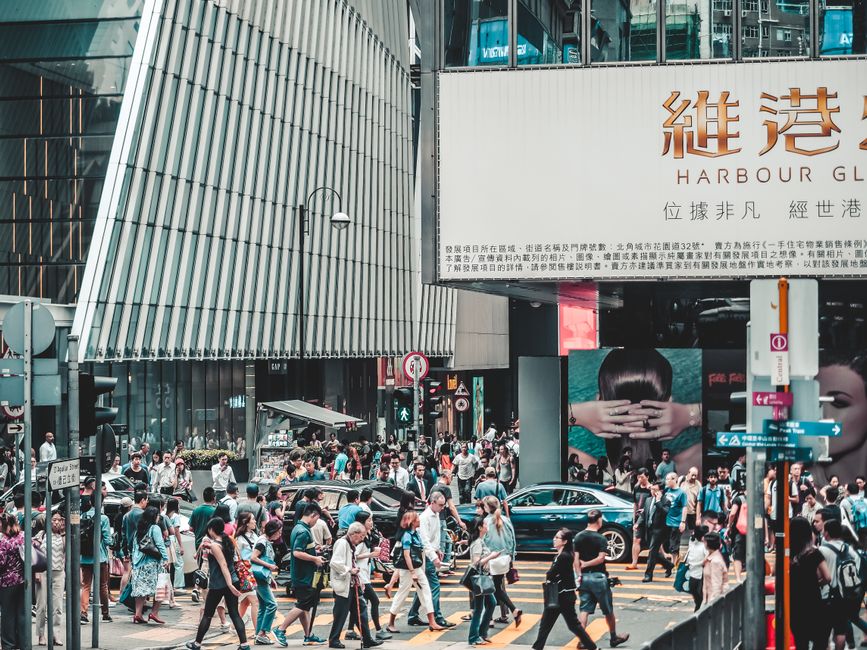
Walk down Temple Street in Mong Kok on any evening, and you'll witness a ritual unchanged for decades: hawkers setting up stalls, regulars claiming their favourite spots, strangers becoming neighbours over steaming bowls of noodles. This is where Hong Kong's true character emerges—not in the gleaming corporate towers, but in the people who animate our neighbourhoods with purpose, resilience and community.
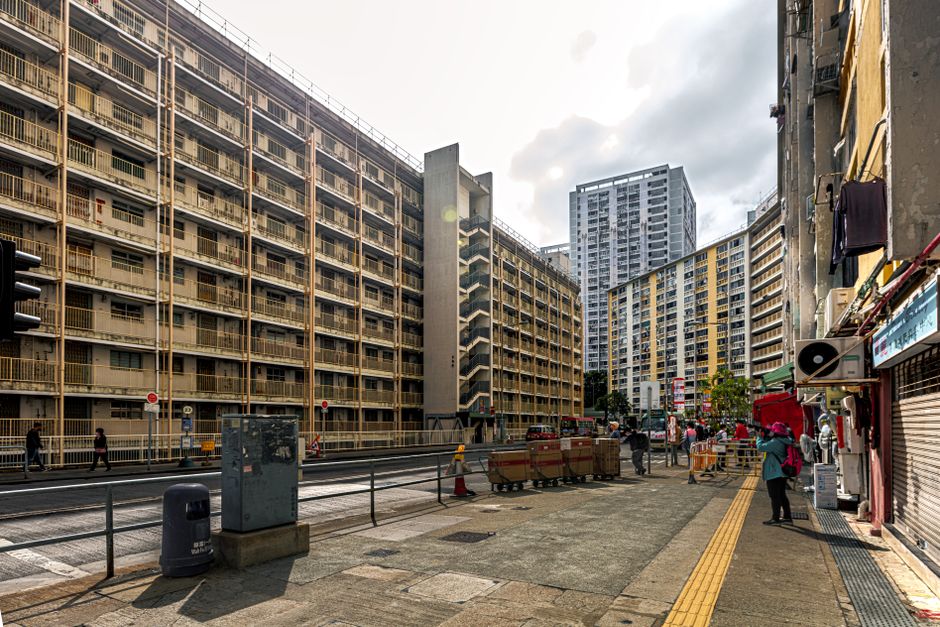
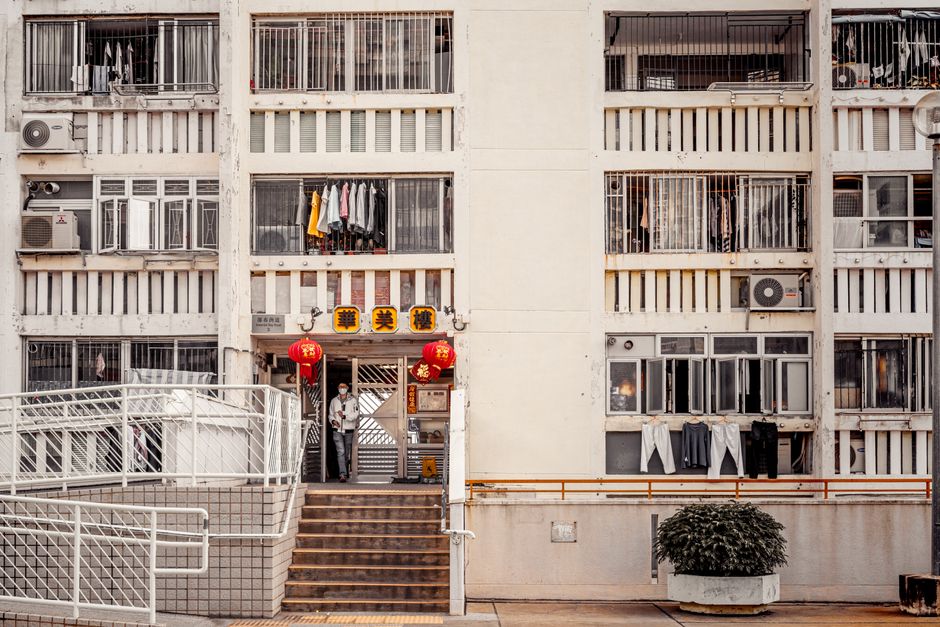
In Sham Shui Po, where housing costs hover around HK$50,000 per square foot, long-time residents have become custodians of cultural memory. Fabric traders on Apliu Street, many operating for 20+ years, serve not just as shopkeepers but as informal historians, their shops storing patterns and textures that younger generations associate with childhood and family. These aren't Instagram-ready spaces; they're functional, worn, lived-in—which is precisely why they matter. Community groups like the Sham Shui Po District Council have increasingly recognised these micro-economies as essential infrastructure.
Similarly, in Central's residential backstreets, social workers and NGO staff navigate the human geography that official statistics rarely capture. Organisations operating in mid-levels housing estates work directly with elderly residents, single parents and migrant workers, understanding that neighbourhood vitality depends on invisible support systems. A single community centre on Glenealy Street might serve three different age groups across twelve languages, each person's presence shaping how the neighbourhood functions.
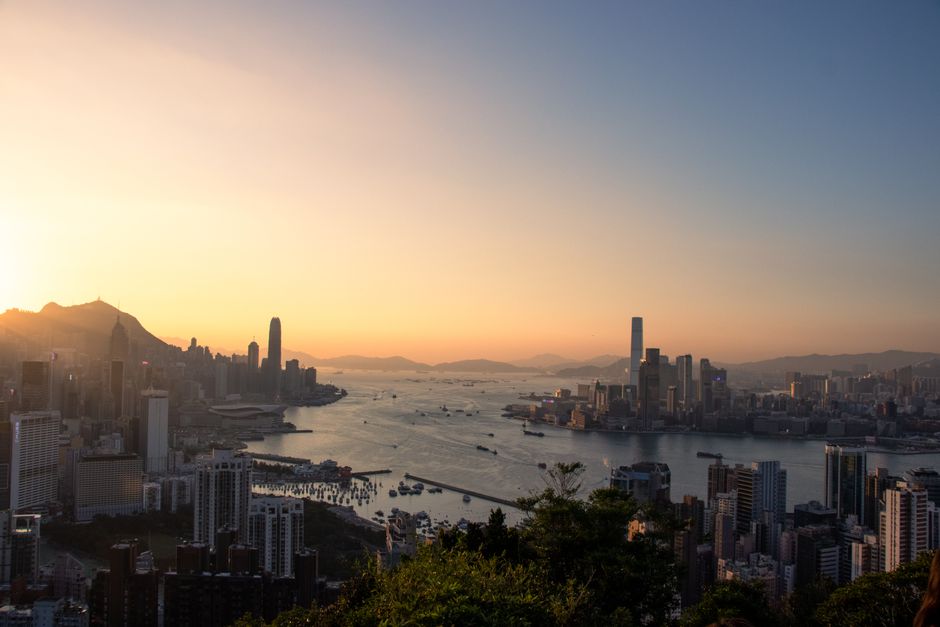
Across Victoria Harbour, in Tsim Sha Tsui's quieter precincts, local photographers and artists have quietly built creative communities around spaces like the now-historic East Tsim Sha Tsui waterfront areas. Their presence—curating unofficial galleries, hosting community dinners, mentoring young creatives—represents a form of place-making that transcends commercial development.
What unites these neighbourhoods isn't infrastructure or property values. It's the accumulated presence of individuals who choose to invest their time, skill and identity into specific streets and communities. The dai pai dong owner who remembers your order. The neighbourhood councillor who shows up to meetings. The migrant domestic worker who tends to the rooftop gardens. The elderly Cantonese speaker sharing recipes with younger residents at community centres.
These aren't sentimental stereotypes—they're observable facts about how cities actually function. As Hong Kong navigates rapid change, gentrification pressures and demographic shifts, our neighbourhoods remain anchored by the people who refuse anonymity. They're the reason why, despite everything, Central still feels intimate, Mong Kok still buzzes, and Sham Shui Po still surprises.
The best way to know Hong Kong isn't through a travel guide. It's through the faces you meet repeatedly in the same places—the human threads that hold our neighbourhoods together.
This article was compiled by AI and screened before publishing. See our editorial standards.
About this article
Published by The Daily Hong Kong
Spread the word
Daily brief
Free, in your inbox before 7am. Weekdays.
Before you go
The day's Hong Kong news in a 2-minute read. Free, weekday mornings.