Green Sanctuaries, Human Stories: The Faces Behind Hong Kong's Parks Revolution
From tai chi practitioners to urban farmers, the people transforming our city's outdoor spaces reveal how concrete jungles can nurture community and wellness.
3 min read
From tai chi practitioners to urban farmers, the people transforming our city's outdoor spaces reveal how concrete jungles can nurture community and wellness.
3 min read
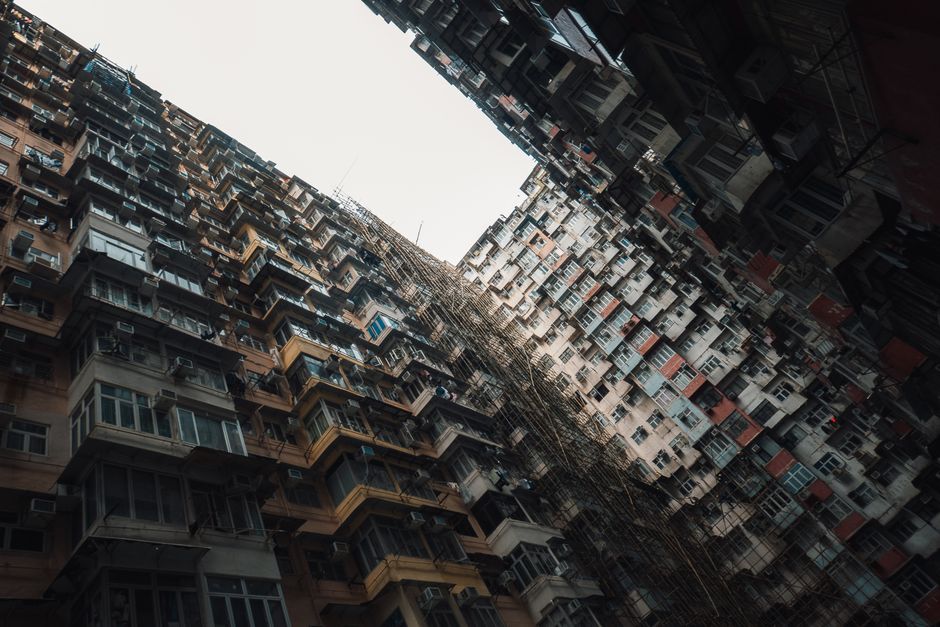
On a humid Tuesday morning in Victoria Park, the tai chi brigade assembles under the banyan trees. They've been coming here for decades—elderly residents moving in perfect synchronisation, their routine as reliable as the Causeway Bay traffic beyond the fence. These aren't merely fitness enthusiasts. They're custodians of a Hong Kong tradition increasingly threatened by development pressures and sedentary lifestyles.
The park's recent $650 million renovation, completed in 2024, has reignited something quietly profound across the city's green spaces. Beyond the new jogging tracks and upgraded facilities, the real transformation is human.
Take the community garden movement blooming across Kowloon's Sham Shui Po district. What began as grass-roots initiatives in underused spaces has evolved into structured programmes through the Hong Kong Parks and Gardens Association. Residents—many working multiple jobs—now cultivate vegetables in raised beds at Pak Tin Estate's community garden. One Saturday volunteer, a retired construction worker, tends his patch with the same precision he once applied to buildings. His tomatoes feed his grandchildren; his presence feeds the neighbourhood's collective purpose.
The numbers tell part of the story. Hong Kong's 1,675 parks and gardens span just 2,700 hectares across our dense 1,104 square kilometres. That's approximately 0.4 square metres per resident—among the lowest globally. Yet paradoxically, this scarcity has created fierce guardians.
At the Kowloon Walled City Park—a 2.2-hectare pocket of serenity in Kowloon City—horticulturists and heritage volunteers have transformed a controversial site into a contemplative space. Elderly Cantonese speakers sit beneath pavilions, speaking Taoisic philosophy with visitors. They're living museums, their presence connecting visitors to this site's complex, reclaimed history.
The younger generation is rewriting the script too. Urban agriculture collectives in Sheung Wan and Kennedy Town run weekend workshops teaching hydroponic farming to professionals escaping glass towers. Social enterprises like Farm to Table HK partner with parks to create edible landscapes—blurring the line between recreation and food sovereignty in a city importing 90 per cent of its vegetables.
Perhaps most tellingly, pandemic-era shifts haven't reversed. Three years after 2020's lockdowns, park visitation remains 28 per cent above pre-Covid levels. Early morning joggers in Deep Water Bay, evening picnic families in Tuen Mun's gold coast beaches, midnight walkers through Hong Kong Island's trail systems—these represent a demographic transformation. Parks are no longer peripheral amenities. They've become identity anchors in our pressurised city.
The faces you meet there—patient tai chi masters, determined community gardeners, entrepreneurs reimagining green space as social infrastructure—they're not just using parks. They're saving something essential about what Hong Kong could still become.
This article was compiled by AI from the sources linked above and screened before publishing. See our editorial standards.
About this article
Published by The Daily Hong Kong
Spread the word
Daily brief
Free, in your inbox before 7am. Weekdays.
Before you go
The day's Hong Kong news in a 2-minute read. Free, weekday mornings.