Where Strangers Become Neighbours: Inside the Soul of Hong Kong's Historic Markets
From Temple Street's nightly theatre to Ap Liu Street's tech-savvy haggling culture, the city's neighbourhood markets reveal far more than merchandise—they're where community identity still thrives.
This article was generated by AI from the linked public sources. The Daily Hong Kong is independently owned and covers Hong Kong news free from advertiser or sponsor influence. Read our editorial standards →
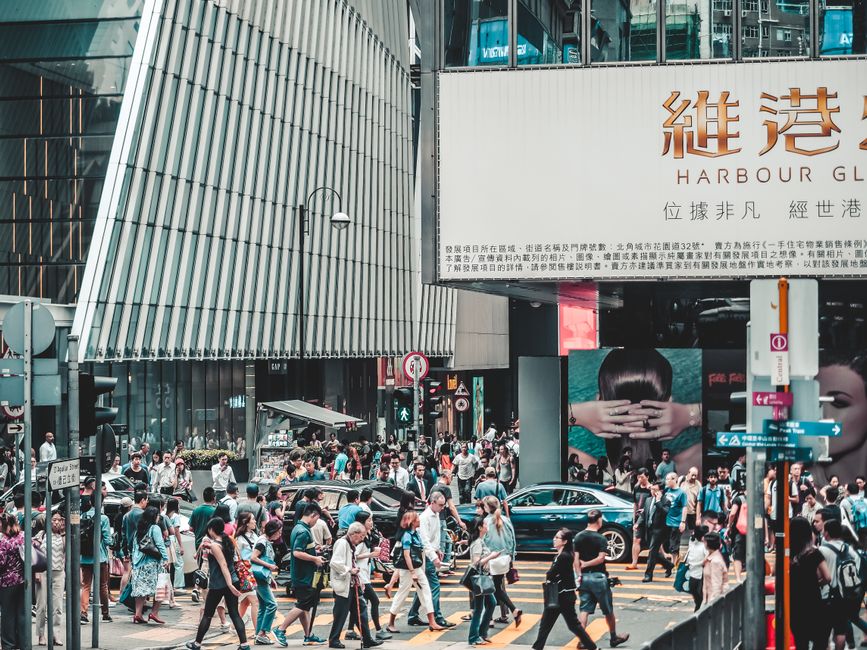
Walk through the narrow lanes of Mong Kok on a Wednesday evening, and you'll witness something increasingly rare in Hong Kong's gleaming mall culture: neighbours greeting each other by name. At the wet markets threading through Nelson Street and Argyle Street, where fish mongers have operated the same stalls for thirty years, regulars don't just buy groceries—they exchange gossip, ask about grandchildren, and negotiate prices with the familiarity of old friends. This is the heartbeat of Hong Kong's neighbourhood character, pulsing strongest in its traditional markets.
The retail landscape here tells a story about community resilience. Temple Street Night Market, stretching nearly a kilometre through Jordan and Yau Ma Tei, attracts roughly 15,000 daily visitors during peak season. But beyond the tourist cameras and souvenir stalls lies something more authentic: neighbourhood vendors who've watched their customers' children grow up. An elderly stallholder selling vintage watches at the market's southern end might spend fifteen minutes chatting with a regular about property values and their daughter's university plans before completing a transaction. These informal interactions—where commerce becomes social glue—define the market's true character.
Ap Liu Street in Sham Shui Po presents another neighbourhood narrative entirely. Once Hong Kong's electronics bazaar, it has evolved into a more eclectic ecosystem where local engineers, students, and hobbyists hunt for components and repair services. The street's roughly 130 shops create a micro-economy where expertise flows freely between vendors and customers. A twenty-something repairing a vintage camera might learn restoration techniques from a shop owner who's been fixing lenses since the 1980s. This knowledge-sharing culture—born from necessity and sustained by genuine community investment—distinguishes it from sterile retail chains charging three times the price.
What makes these markets distinctly Hong Kong is their democratic energy. A property developer shopping for dinner ingredients shares the same crowded aisle as a domestic worker selecting affordable vegetables. Social hierarchies soften here. Everyone negotiates, everyone hunts for value, everyone belongs. Recent data suggests roughly 40 per cent of Hong Kong residents still rely on traditional markets for weekly shopping, bucking global trends toward supermarket consolidation.
Yet these neighbourhood anchors face pressure. Rising rents and younger generations preferring shopping mall convenience threaten market culture. But vendors and regular customers aren't passive observers. Community groups increasingly organise heritage walks and social events celebrating market traditions, ensuring that Temple Street and Ap Liu remain more than transaction points—they're spaces where Hong Kong's real neighbourhood character endures, unfiltered and irreplaceable.
This article was compiled by AI and screened before publishing. See our editorial standards.
Covering lifestyle in Hong Kong. This article was generated by AI from the linked sources and was not reviewed by a human editor before publishing. See our editorial standards.