Sham Shui Po Hong Kong: Local Guide to the Neighbourhood's Revival
Discover how Sham Shui Po transformed into Hong Kong's creative hub. Explore independent cafes, vintage shops, and cultural spaces reshaping this historic district.
2 min read
Discover how Sham Shui Po transformed into Hong Kong's creative hub. Explore independent cafes, vintage shops, and cultural spaces reshaping this historic district.
2 min read
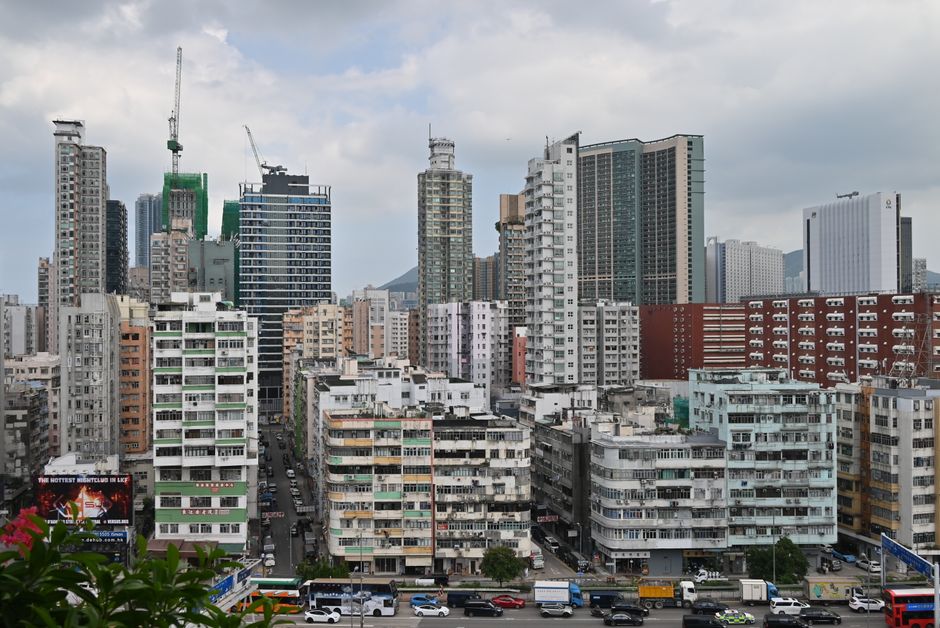
Walk down Fuk Wing Street on a Saturday morning and you'll see something unthinkable five years ago: queues outside independent coffee roasters, young professionals browsing vintage furniture shops, and families gathering at pocket parks that barely existed in 2020. Sham Shui Po, long dismissed as a purely industrial district, has quietly become one of Hong Kong's most talked-about neighbourhoods—not through glossy development, but through community-driven revival.
The transformation gained momentum after the 2024 opening of the Sham Shui Po Cultural and Arts Centre, which anchored a broader strategy to activate underutilised spaces. "The neighbourhood always had character," explains a local property agent familiar with the area. "But infrastructure and visibility were missing." Today, foot traffic in the district has increased by an estimated 35 per cent year-on-year since 2022, according to local business associations.
What makes this renaissance distinctive is that it hasn't erased Sham Shui Po's identity. The old electronics markets on Golden Computer Arcade remain thriving; textile traders along Nam Cheong Street continue their generations-old business. Instead, new creative industries have nestled alongside. Mason Studio, a ceramics collective, opened in 2023 on Un Chau Street. Bookshops focused on local history and independent publishing now sit near wet markets selling live seafood at prices 20-30 per cent lower than Central.
Residential rents have shifted accordingly. While a one-bedroom flat on Castle Peak Road averages around HK$18,000-22,000 monthly (compared to HK$28,000+ in nearby Mong Kok), prices have climbed roughly 15 per cent since 2024 as young professionals and creative workers relocate from saturated neighbourhoods. Simultaneously, the government's 2025 commitment to preserve heritage buildings has protected several pre-war shophouses, preventing wholesale demolition that plagued other districts.
Locals credit the success to grassroots efforts. Community groups like the Sham Shui Po District Development Forum have shaped planning decisions, ensuring new venues complement rather than replace existing character. The weekly street markets remain central to neighbourhood life, while pop-up galleries and micro-venues in converted industrial units attract visitors without overwhelming the fabric.
"People used to pass through Sham Shui Po," one long-time resident notes. "Now they come here intentionally." Whether hunting for vintage finds, sampling heritage Cantonese dim sum, or supporting local artists, visitors find a neighbourhood that's evolved without becoming unrecognisable—a rare balance in today's Hong Kong.
This article was compiled by AI from the sources linked above and screened before publishing. See our editorial standards.
About this article
Published by The Daily Hong Kong
Spread the word
Daily brief
Free, in your inbox before 7am. Weekdays.
Before you go
The day's Hong Kong news in a 2-minute read. Free, weekday mornings.