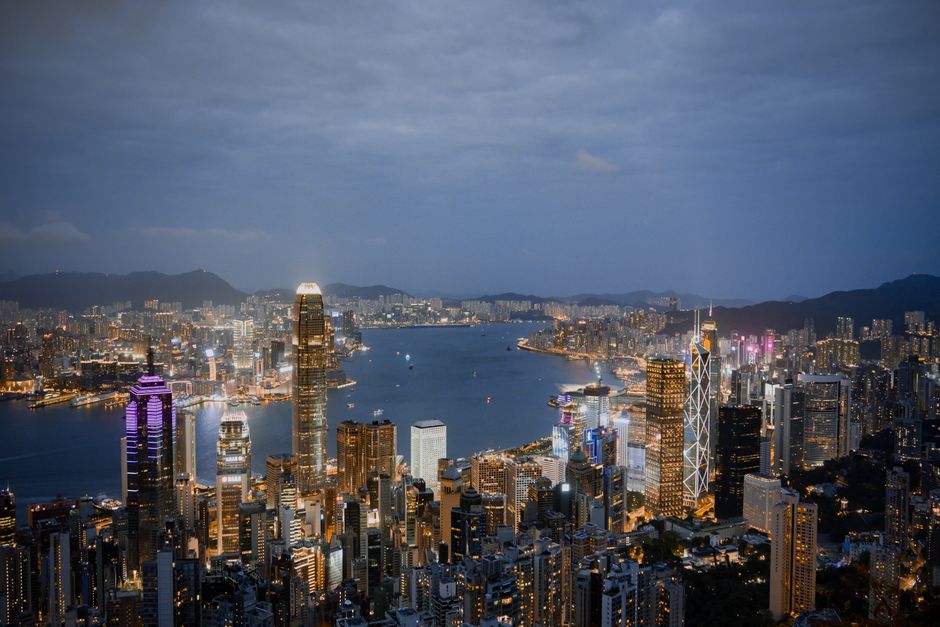
New York has Times Square. London has Soho. But Hong Kong has something neither can replicate: a city where the most extraordinary bar experiences unfold above street level, suspended between a shimmering harbour and one of the world's most dramatic skylines.
The numbers tell part of the story. With over 14,000 bars and restaurants crammed into 1,104 square kilometres, Hong Kong's drinking venues per capita far exceed most global cities. But what truly sets this place apart isn't quantity—it's the theatrical geography that forces bars upward, creating an ecosystem where rooftop venues aren't luxury add-ons, they're architectural necessity.
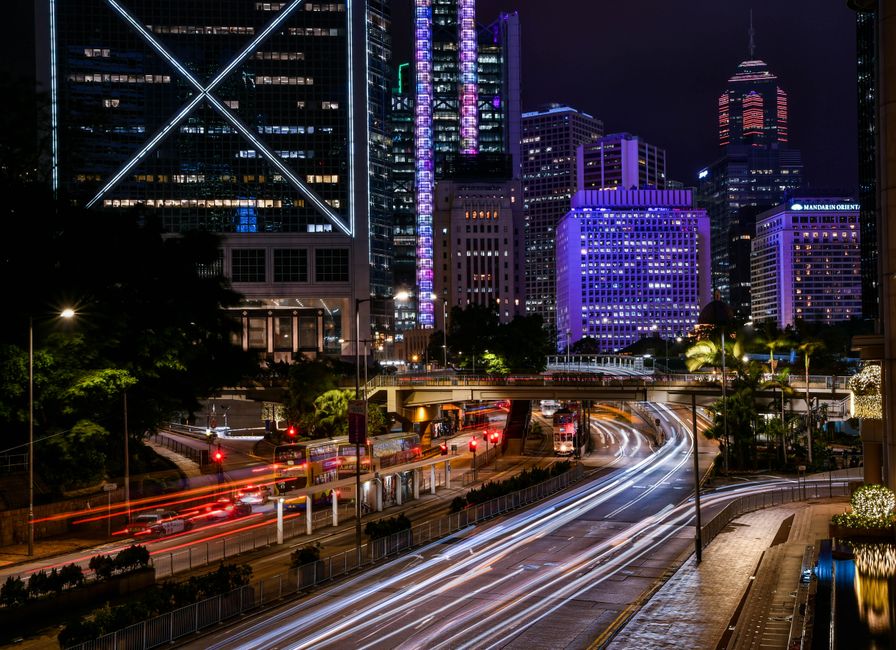
The Victoria Harbour waterfront districts exemplify this. Spots like those clustered around Central's Lan Kwai Fong see cocktails served 30, 40, sometimes 50 storeys above street level, with unobstructed views of the Peak tram and Kowloon's neon sprawl. This isn't possible in flat cities. Even Singapore's Marina Bay venues, impressive as they are, lack Hong Kong's vertical drama.
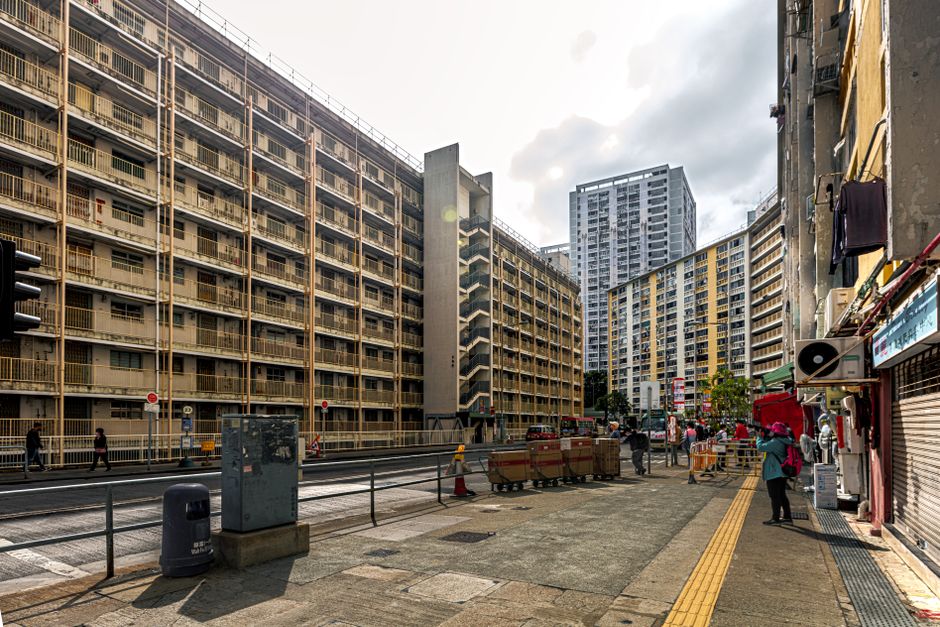
But the real magic happens away from the obvious spots. Wong Chuk Hang, once the city's industrial heart, has undergone a quiet transformation into a destination for serious drinkers. Hidden speakeasies occupy converted warehouse spaces, their brick walls and raw aesthetics providing stark contrast to the glittering harbour-view cocktail bars just kilometres away. This neighbourhood-to-neighbourhood texture—gritty authenticity coexisting with luxury—is distinctly Hong Kong. You'll find a dive bar serving $25 beers next door to a Michelin-starred establishment.
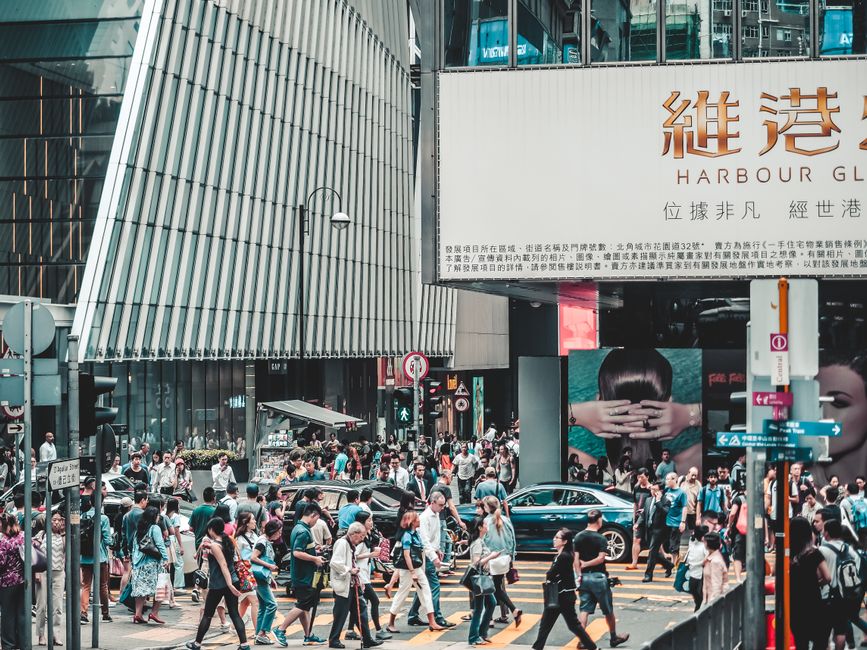
The cultural mixing is equally distinctive. A single evening in Lan Kwai Fong or SoHo might involve Cantonese business types, international expats, and tourists all rubbing shoulders. This casual cosmopolitanism means bar cultures that might feel segregated elsewhere blend seamlessly here. Happy hours (typically 5-8pm) attract crowds from across the socioeconomic spectrum, diluting the pretension that plagues similar venues in London or Tokyo.
Weather plays an underappreciated role too. While year-round warmth makes outdoor drinking feasible, Hong Kong's subtropical humidity and occasional storms create dramatic atmospheres—sudden downpours transforming open-air venues into intimate refuges, or clear nights offering crystalline views impossible in more temperate climates.
Whether you're nursing a $180 cocktail in Central's highest reaches or a local beer in a Mong Kok side-street corner bar, Hong Kong's bar culture reflects the city itself: vertically ambitious, culturally fluid, and utterly unafraid of contradiction.
This article was compiled by AI and screened before publishing. See our editorial standards.