Where Hong Kong Actually Shops: Local Wisdom on Markets and Hidden Retail Gems
Skip the tourist traps—we asked the people who navigate these streets daily where they really spend their money.
3 min read
Skip the tourist traps—we asked the people who navigate these streets daily where they really spend their money.
3 min read
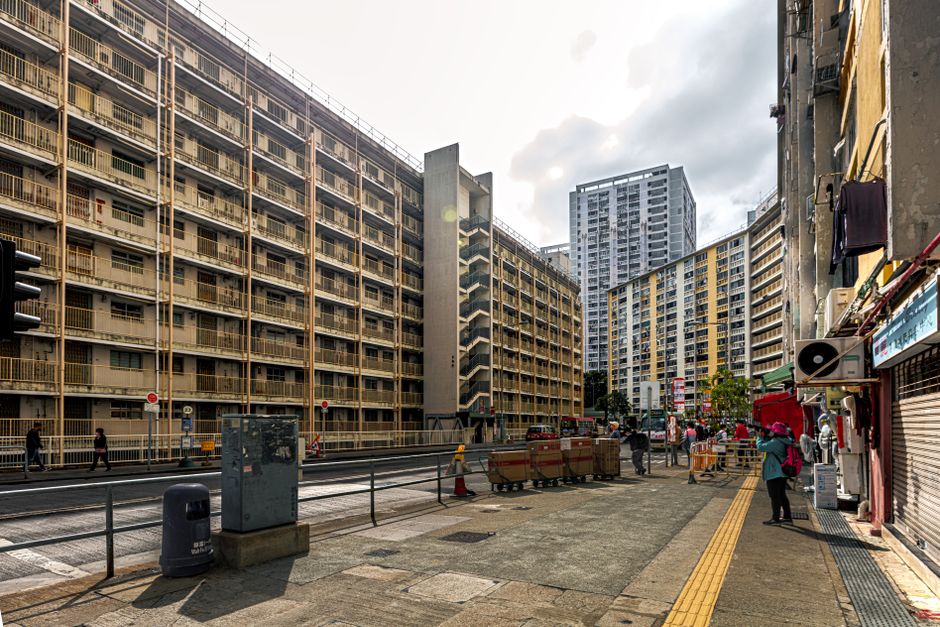
Hong Kong's retail landscape has transformed dramatically over the past decade, yet the city's true shopping culture remains buried beneath layers of luxury mall marketing and Instagram-worthy facades. The locals who live here know better, and their shopping habits reveal a city far more nuanced than Causeway Bay's crowded boulevards suggest.
Start with the traditional markets, where Hong Kong's pragmatic approach to consumption still thrives. Ladies' Market in Mong Kok remains unbeatable for basics—clothing, accessories, and household items at prices that make sense. A typical vendor here will cheerfully negotiate, and regulars report finding quality pieces for 20-40% less than mall prices. Similarly, the wet markets scattered across residential neighbourhoods—from Central Market to Wan Chai's Spring Garden Lane—remain essential stops for serious shoppers seeking fresh produce and dry goods at transparent pricing.
For those seeking deeper discovery, neighbourhood shopping streets offer authentic alternatives to corporate retail. Pottinger Street in Central has quietly become a hub for independent designers and vintage shops, while Tang Lung Street in Causeway Bay attracts locals searching for contemporary fashion beyond the chain-store standard. The stretch along Morrison Hill Road in Wan Chai rewards patient explorers with local bookshops, stationery specialists, and niche beauty retailers.
Electronics shopping has consolidated around specific zones. Mong Kok's computer markets on Nelson Street remain legitimate sources for tech at competitive prices, though verification of authenticity is essential. More trustworthy are established retailers like Fortress and Broadway, where the premium on pricing reflects genuine warranty protection.
Department store culture persists, but savvy locals target specific floors rather than browsing entire venues. Sogo in Causeway Bay maintains solid cosmetics and mid-range fashion departments, while the luxury anchor stores in Pacific Place attract those genuinely seeking premium goods rather than just browsing.
The unsexy truth: Hong Kong's most efficient shoppers rely on established habits rather than constant discovery. Regular customers at neighbourhood convenience stores enjoy subtle loyalty benefits; relationships with hawkers at traditional markets yield better bargaining and quality selection; and consistent patrons at independent retailers receive genuine service that mall staff cannot provide.
The city's retail future increasingly reflects this bifurcation—luxury malls expanding in premium zones while traditional markets and neighbourhood shops strengthen their community roots. For visitors and newcomers, the lesson is clear: Hong Kong shops where Hong Kong lives, and that's rarely where the postcards suggest.
This article was compiled by AI from the sources linked above and screened before publishing. See our editorial standards.
About this article
Published by The Daily Hong Kong
Spread the word
Daily brief
Free, in your inbox before 7am. Weekdays.
Before you go
The day's Hong Kong news in a 2-minute read. Free, weekday mornings.