This article was generated by AI from the linked public sources. The Daily Hong Kong is independently owned and covers Hong Kong news free from advertiser or sponsor influence. Read our editorial standards →
Walk down Shanghai Street in Mong Kok on a Tuesday morning, and you'll find Mrs. Wong arranging neatly stacked plastic stools outside her dai pai dong, a ritual she's perfected over forty-three years. She doesn't advertise online. Her customers find her because they always have—neighbours, construction workers, schoolchildren whose grandparents ate at her stall. This is how Mong Kok actually works: not through influencers or reservation apps, but through the accumulated trust of decades.
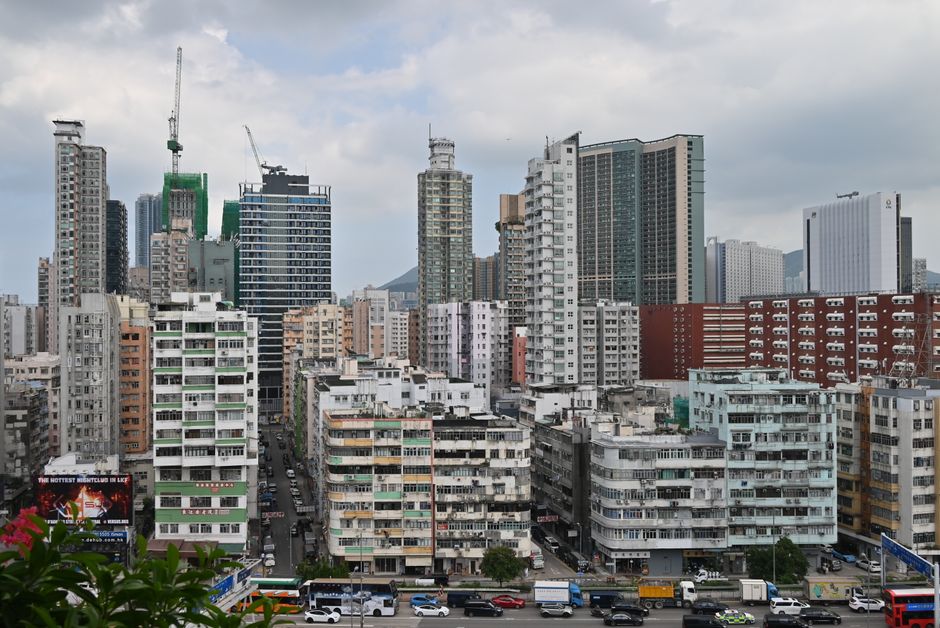
Hong Kong's neighbourhoods are experiencing a curious tension in 2026. While the city's property prices remain stubbornly astronomical—a modest 400-square-foot flat in Central still commands HK$12 million—it's the communities that ground people here, not the real estate portfolios. Recent demographic surveys suggest nearly 40 per cent of Hong Kong residents have lived in their neighbourhood for over fifteen years, creating pockets of remarkable social cohesion.
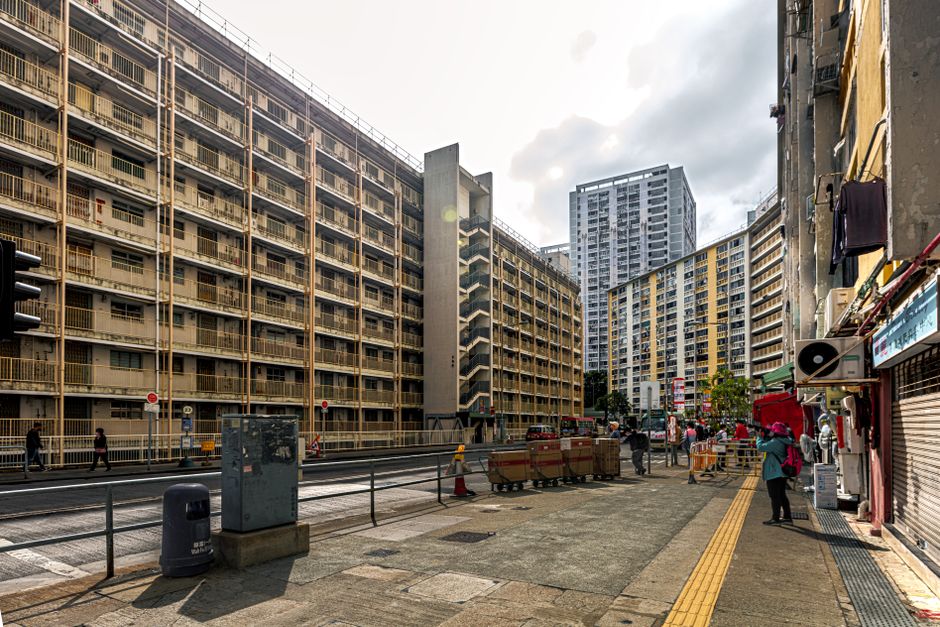
In Sham Shui Po, the Elderly Centre on Nam Cheong Street operates as an unofficial hub where retirees gather for tai chi, mahjong, and a shared pot of barley tea. The centre's coordinator estimates they serve around 300 regular members monthly—many of whom live in subdivided flats costing HK$4,000-6,000 per month. Yet the community remains vibrant. Street markets, decrepit noodle shops, and family-run garment factories create an ecosystem that newer, glossier neighbourhoods struggle to replicate.
Then there's the unexpected face of modern Hong Kong: young professionals deliberately choosing Yau Ma Tei or Ap Lei Chau over Admiralty because the cost of living allows them to actually build lives here rather than merely exist. At the Yau Ma Tei Community Centre, newly arrived residents report forming genuine friendships through volunteer programmes—a phenomenon that feels almost revolutionary in a city often stereotyped as transactional.
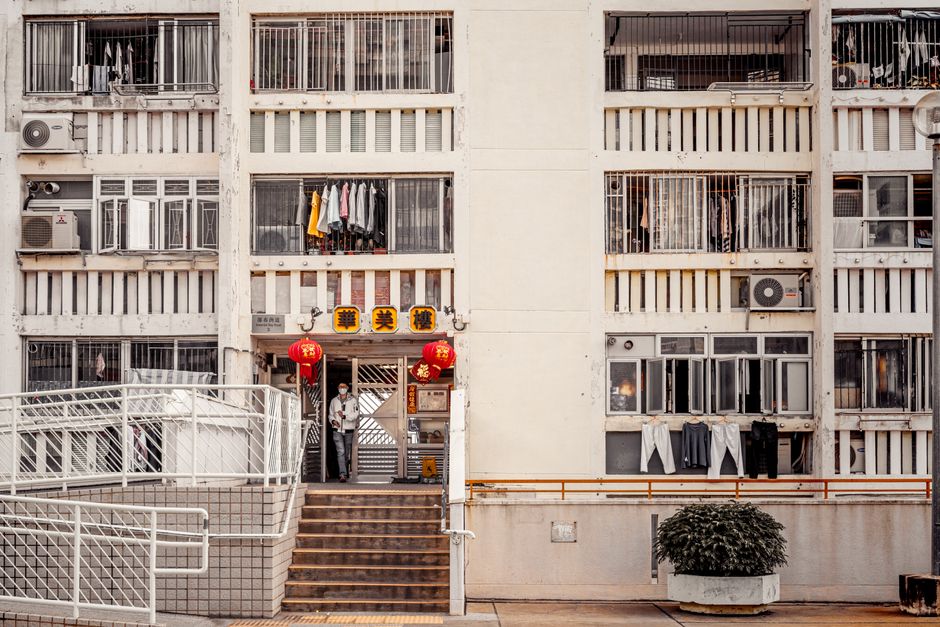
The people who make these neighbourhoods work aren't wealthy. A hawker might earn HK$15,000 monthly. A community volunteer typically works other jobs. Yet they're the infrastructure of Hong Kong's social fabric—the ones who remember neighbours' names, notice when someone hasn't appeared in weeks, organise lunar new year celebrations that require no budget, only coordination.
As Hong Kong continues its rapid transformation, these faces matter. They're not obstacles to development or quaint remnants of the past. They're evidence that cities are ultimately about human connection, and that the most valuable neighbourhoods aren't measured in square footage or floor numbers, but in the depth of community that sustains them.
This article was compiled by AI from the sources linked above and screened before publishing. See our editorial standards.
Covering lifestyle in Hong Kong. This article was generated by AI from the linked sources and was not reviewed by a human editor before publishing. See our editorial standards.