Walk down a single block in Mong Kok, and you've witnessed three centuries of urban development stacked atop one another. A 70-year-old dai pai dong serves congee on the ground floor while luxury apartments tower 40 storeys above. This vertical compression of human experience—where neighbourhoods exist not just horizontally but through multiple atmospheric layers—is perhaps the most defining characteristic that separates Hong Kong from every other global city.
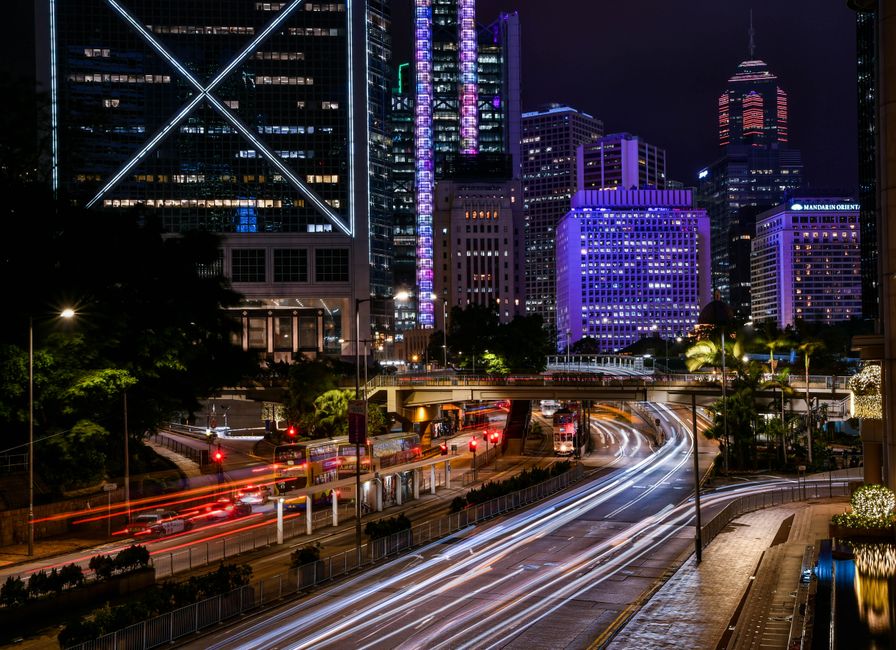
Consider the numbers: with 7.4 million people compressed into just 1,104 square kilometres, Hong Kong's population density rivals Manhattan, yet it manages something most Western cities cannot. In districts like Central and Sheung Wan, gleaming financial towers sit metres away from dai pai dong hawker stalls, traditional Chinese medicine shops, and century-old temples. The MTR connects 2.3 million daily commuters with Swiss-watch precision, making commutes from distant New Territories neighbourhoods like Sha Tin more predictable than their London or New York equivalents.
What truly distinguishes Hong Kong's community fabric is how tradition and modernity coexist without hierarchy. In Sham Shui Po, one of Asia's most densely populated areas, you'll find illegal rooftop structures housing working families alongside cutting-edge fashion studios and craft breweries. The neighbourhood functions as a living laboratory of social adaptation—necessity breeding innovation in how communities actually work.
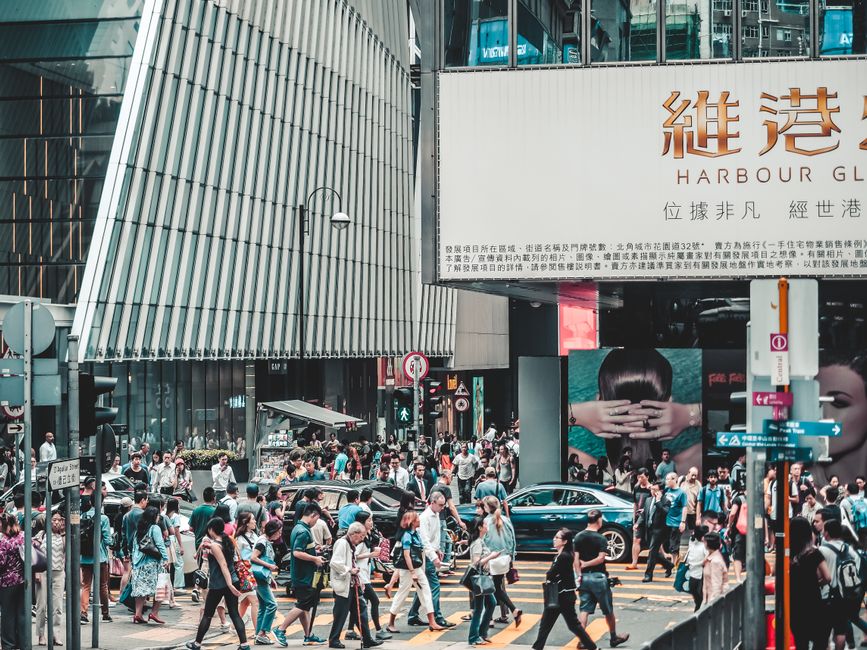
The wet markets tell the story most vividly. While most global cities have replaced traditional markets with superchains, Hong Kong's 80+ markets remain commercial and social heartbeats. Graham Street Market in Central, despite surrounding property worth billions, continues operating much as it did in the 1950s. These spaces create what urban planners call "third places"—neither home nor work, but essential to community identity. A retiree buying vegetables knows the vendor's family; office workers grab lunch while haggling. Compare this to sanitised supermarkets in Singapore or Tokyo's convenience culture, and you see Hong Kong's stubborn commitment to messiness as social glue.
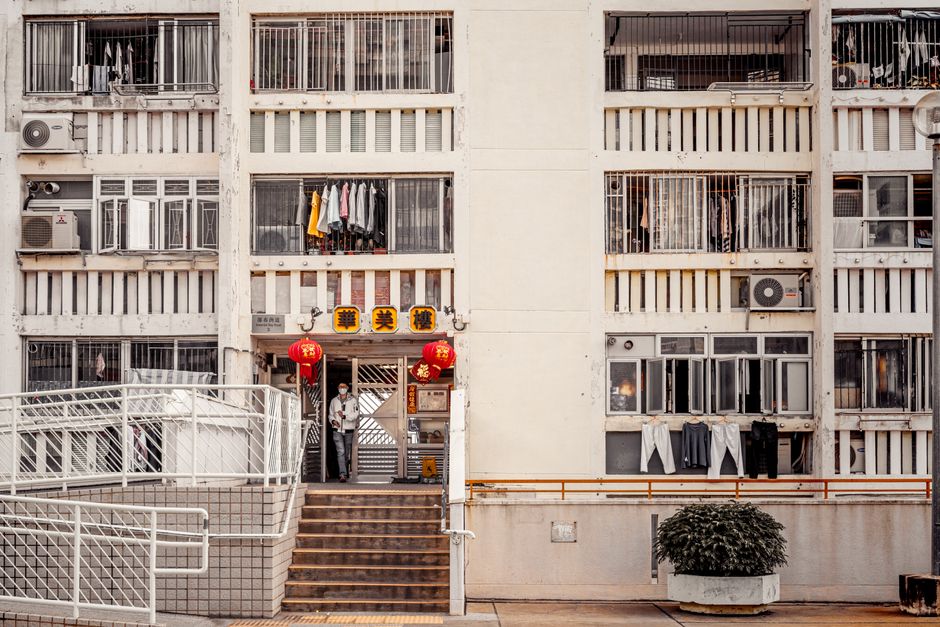
Housing affordability remains dire—median home prices exceed HK$12 million—yet neighbourhoods like North Point and Quarry Bay have cultivated thriving communities precisely because people *must* stay put, build roots, know neighbours across decades rather than years.
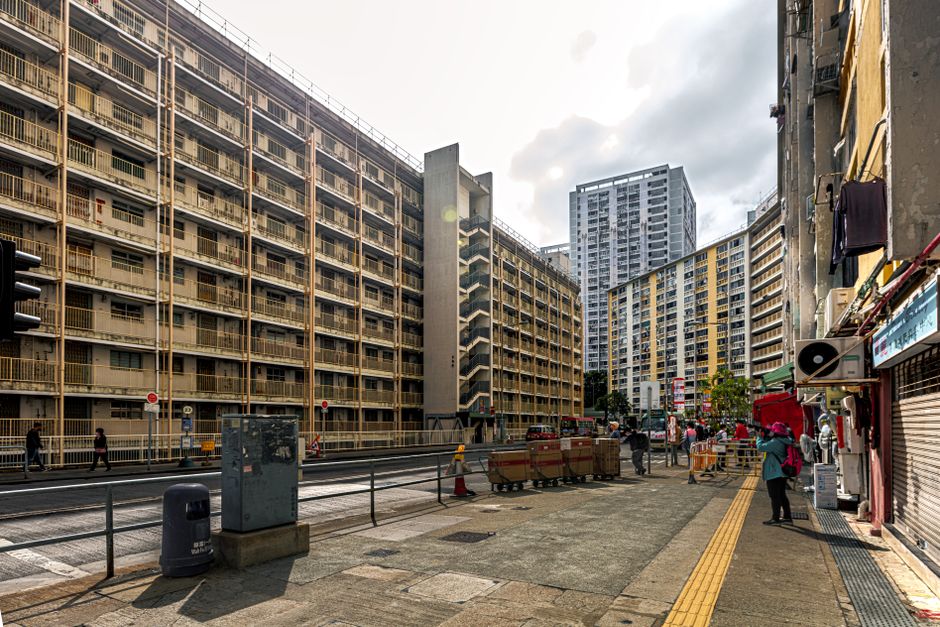
The efficiency is superhuman. A restaurant delivery arrives within 15 minutes across most of Kowloon. Public housing estates like Tuen Mun house 300,000 residents with shopping centres, schools, and transport integrated within walking distance. These aren't suburbs; they're vertical villages with their own ecosystems.
What makes Hong Kong's neighbourhoods genuinely unique isn't any single element—other cities have markets, density, or efficient transit. It's the refusal to choose between them. Hong Kong communities thrive in contradiction: ultra-modern yet tradition-bound, brutally expensive yet fundamentally egalitarian in public space. That paradox is what keeps people rooted in this remarkable city.
This article was compiled by AI and screened before publishing. See our editorial standards.