lifestyle
Moving to Hong Kong? Skip the Guidebook—Here's What Locals Actually Tell Newcomers
Expats who've made the leap share the unglamorous truths about settling in Asia's most expensive city.
2 min read
Updated 2 d ago
lifestyle
Expats who've made the leap share the unglamorous truths about settling in Asia's most expensive city.
2 min read
Updated 2 d ago
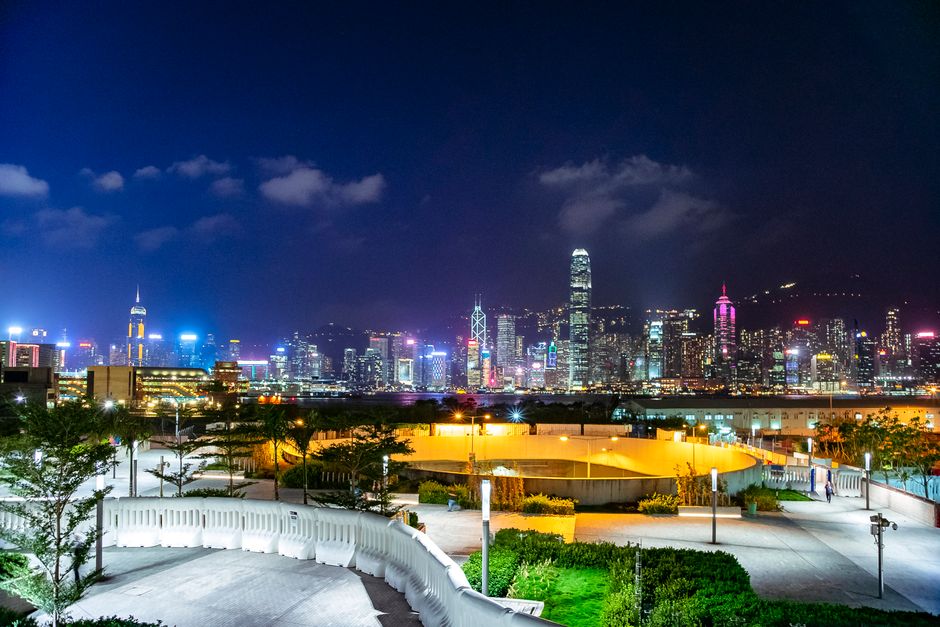
Hong Kong promises opportunity, energy, and world-class dining. What it doesn't promise is affordability or simplicity. After speaking with dozens of expats—bankers, teachers, creatives, and parents—who've relocated here in the past three years, a clearer picture emerges: succeed by ditching the fantasy and embracing the friction.
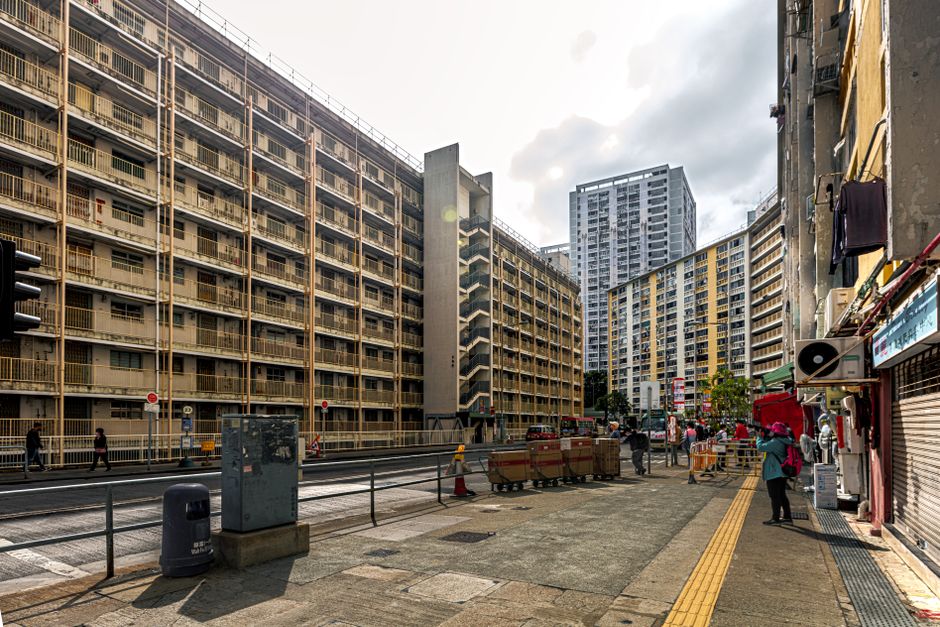
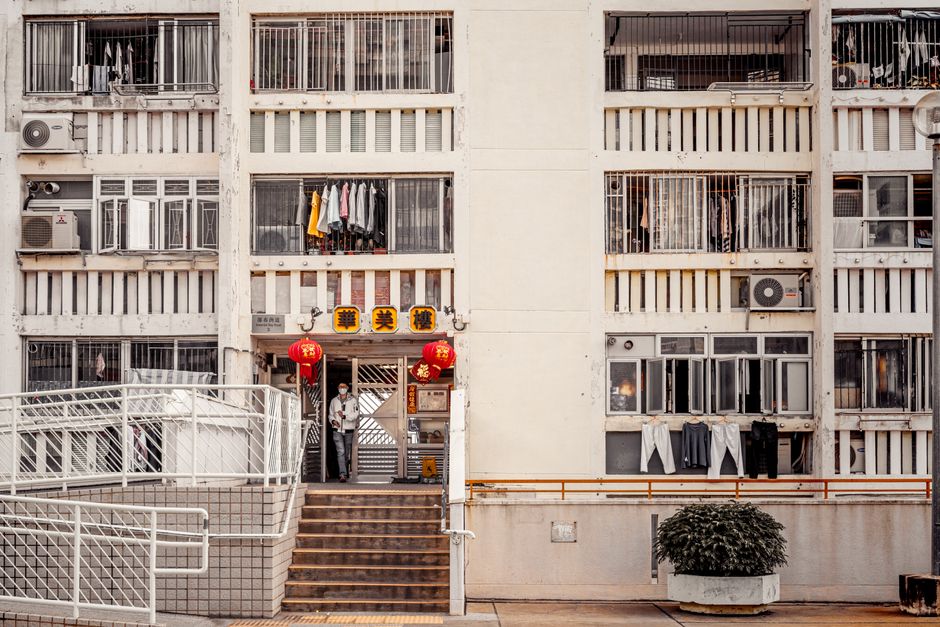
Housing dominates every conversation. The median rent for a one-bedroom apartment in Central or Wan Chai hovers around HK$28,000–35,000 monthly; Mid-Levels slightly less. Locals consistently recommend looking further afield: Kennedy Town, Sai Ying Pun, or even the New Territories (Sha Tin, Tai Po) offer better value and genuine community. "Everyone arrives wanting to live on the Island," one long-term expat noted. "Move to Kowloon instead. Your money lasts longer, and you'll actually make friends." Property agents cluster around Central MTR and Des Voeux Road Central—expect to visit dozens of units before finding one that matches listing photos.
Transportation is exceptional but requires learning. The MTR is efficient, cheap (single journeys cost HK$2.90–17.80), and crowded during rush hours (7–9am, 5–7pm). Invest HK$150 in an Octopus card immediately. Taxis are plentiful but expensive for daily use. Locals recommend budgeting HK$3,000–4,000 monthly for transport if you're not buying a car—petrol, insurance, and parking add up brutally.
For family matters, international schools (Discovery College, American International School) charge HK$200,000–250,000 annually. Public and subsidised schools remain genuinely excellent and far cheaper; competition for spaces is fierce. Healthcare through private providers (Matilda International, Hong Kong Adventist) runs HK$300–500 per visit without insurance; public hospitals cost a fraction but involve long waits.
Neighbourhoods matter more than postcodes. Sheung Wan and Sai Ying Pun pulse with independent cafés, vintage shops, and a younger demographic. Repulse Bay and Stanley attract families seeking beach access. Causeway Bay remains touristy; Mong Kok is gritty and real. Many expats underestimate Kowloon's appeal—Jordan, Yau Ma Tei, and Prince Edward offer authentic street life, excellent food, and lower rents.
The practical essentials: open a bank account early (bring passport, proof of address, and patience), register with your nearest district office for an ID card, and download apps obsessively—Cathay Pacific, MTR, WeChat Pay, Alipay, Foodpanda, and OpenRice are non-negotiable.
Hong Kong rewards those who adapt rather than resist. Abandon expectations of "Western convenience" and instead embrace the chaos, density, and unapologetic pragmatism locals live daily. That's where the real city reveals itself.
This article was compiled by AI and screened before publishing. See our editorial standards.
About this article
Published by The Daily Hong Kong
Spread the word
Daily brief
Free, in your inbox before 7am. Weekdays.
Before you go
The day's Hong Kong news in a 2-minute read. Free, weekday mornings.