Hong Kong's Expat Reset: What's Changed and Why Locals Are Embracing Newcomers Again
A quieter, more affordable city is welcoming international residents back—and Hong Kongers are discovering their own neighbourhoods anew.
3 min read
A quieter, more affordable city is welcoming international residents back—and Hong Kongers are discovering their own neighbourhoods anew.
3 min read
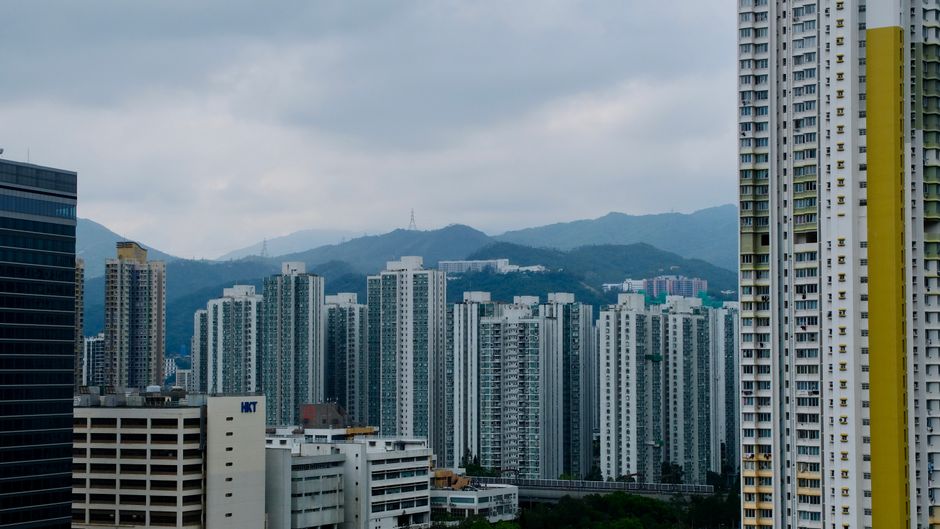
The Hong Kong that expats are arriving to in 2026 bears little resemblance to the crowded, fever-pitched version of five years ago. Population shifts, shifting economics, and a deliberate cultural recalibration have transformed the city into something locals themselves are rediscovering—and rather enjoying.
The numbers tell part of the story. According to recent government data, the expat population in Hong Kong contracted by roughly 8% between 2021 and 2025, with many departing during the turbulent mid-2020s. Counterintuitively, this exodus has made the city more liveable for those staying and arriving now. MTR trains during peak hours feel less apocalyptic. Restaurant reservations in Central and Lan Kwai Fong, once requiring weeks of advance notice, can sometimes be secured with days' notice. Rental prices in desirable neighbourhoods like Causeway Bay and Wan Chai have softened by 15–20% from their 2021 peaks, making the city accessible to a broader band of professionals.
What's driving locals to reclaim their own spaces? Partly, rediscovered authenticity. With fewer tourists flooding into traditional areas, neighbourhoods like Sheung Wan have reinvented themselves around local clientele. Independent bookshops, heritage cafés, and artisan markets have flourished on Cat Street and around Central's quieter lanes. The vibe feels less performatively cosmopolitan and more genuinely rooted.
The hospitality sector has undergone genuine innovation. Rather than chasing five-star luxury repetition, Hong Kong's mid-range and boutique hospitality has matured. Guesthouses in North Point and Sham Shui Po now compete on design and authenticity rather than just thread count. Coworking spaces, once dense in Central, have decentralised—thriving hubs now operate in Quarry Bay and Kwun Tong, where creative professionals and startups have been priced into cheaper rents and found community.
For newcomers, practical improvements matter too. The Immigration Department has streamlined the Imported Worker scheme, reducing processing times. Housing agents are now more transparent about neighbourhoods beyond the traditional expat clusters, helping arrivals discover Tai Hang, Sheung Wan, and even Sai Ying Pun—where rents run 30–40% lower than Peak or Mid-Levels, yet MTR access and local dining are superior.
Perhaps most tellingly, locals themselves are reengaging with their city. Coffee culture has deepened beyond chains; independent roasters dot every neighbourhood. Weekend hiking groups on the Peak and Dragon's Back have expanded. Grassroots cultural events—from street art festivals in Wong Chuk Hang to night markets regenerated in Mong Kok—feel community-driven rather than tourist-packaged.
Hong Kong isn't easier or cheaper than Tokyo or Singapore. But it's become more intentional, more local, and paradoxically, more welcoming to outsiders who want to be part of that authenticity rather than bubble-wrapped from it.
This article was compiled by AI from the sources linked above and screened before publishing. See our editorial standards.
About this article
Published by The Daily Hong Kong
Spread the word
Daily brief
Free, in your inbox before 7am. Weekdays.
Before you go
The day's Hong Kong news in a 2-minute read. Free, weekday mornings.