The Keepers of Hong Kong's Soul: Meet the Vendors Who Make Our Markets Matter
From Ladies' Market to Temple Street, the real treasures aren't the bargains—they're the people who've turned street trading into an art form.
2 min read
From Ladies' Market to Temple Street, the real treasures aren't the bargains—they're the people who've turned street trading into an art form.
2 min read
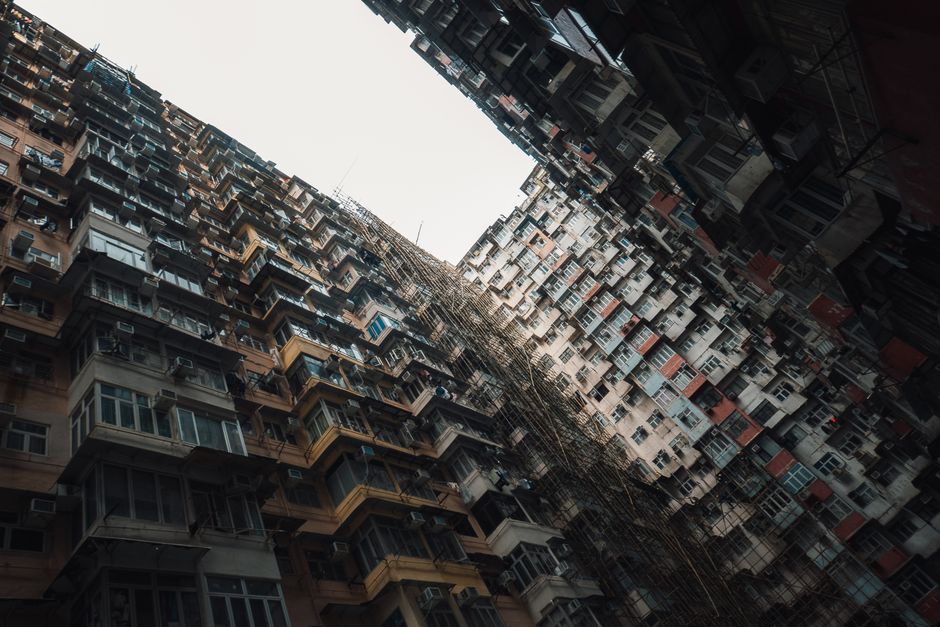
On any given evening, Mong Kok's Ladies' Market pulses with the rhythm of negotiation and laughter. But ask anyone who's been shopping there for decades, and they'll tell you the real magic lies not in the designer knockoffs or discounted cosmetics, but in the faces you recognise across the stalls—the vendors whose life stories are woven into the fabric of Hong Kong itself.
Take the traditional Chinese medicine traders along Des Voeux Road West in Sheung Wan. Many have inherited their stalls from parents and grandparents, maintaining family knowledge passed down through generations. These aren't merely transactions; they're consultations grounded in decades of accumulated wisdom. Some vendors have served the same neighbourhood clients for 40 years, remembering regular customers' ailments and preferred remedies without notes.
The transformation of retail in Hong Kong—with e-commerce capturing an estimated 25% of the retail market by 2025—has made these human connections even more precious. Yet street markets remain resilient. Last year, the Tourism Board reported over 13 million local visits to wet markets and street bazaars, suggesting that Hongkongers actively choose the tactile, social experience over algorithmic convenience.
In Apliu Street's electronics bazaar in Sham Shui Po, elderly vendors have become informal mentors to younger shoppers navigating technology. They repair gadgets that online retailers won't touch, transforming customer service into genuine relationship-building. Similarly, the dai pai dong (open-air food stall) operators in Central's wet markets have evolved into cultural custodians, keeping Cantonese culinary traditions alive through conversation and craft.
The resilience of places like Temple Street Night Market tells another story. Beyond the souvenirs and street food, vendors here often represent Hong Kong's multicultural fabric—Mainland, Southeast Asian, and local traders coexisting in compressed urban space, each bringing their own aesthetic and values to commerce.
What distinguishes Hong Kong's markets from generic shopping districts isn't efficiency or brand prestige. It's the accumulated human presence—the vendor who remembers you prefer loose oolong, the tailor who knows your measurements, the spice merchant who educates customers about provenance. In a city of 7.4 million people, these micro-relationships create belonging.
As Hong Kong navigates post-pandemic recovery and economic uncertainty, these markets and their keepers represent something irreplaceable: proof that commerce at its best is fundamentally human. They're why shopping here still feels like belonging.
This article was compiled by AI from the sources linked above and screened before publishing. See our editorial standards.
About this article
Published by The Daily Hong Kong
Spread the word
Daily brief
Free, in your inbox before 7am. Weekdays.
Before you go
The day's Hong Kong news in a 2-minute read. Free, weekday mornings.