lifestyle
Why Hong Kong's Weekend Escapes Beat Every Other Global City
From urban hiking to island hopping within minutes, Hong Kong offers a compressed adventure that rivals cities ten times its size.
3 min read
Updated 1 d ago
lifestyle
From urban hiking to island hopping within minutes, Hong Kong offers a compressed adventure that rivals cities ten times its size.
3 min read
Updated 1 d ago
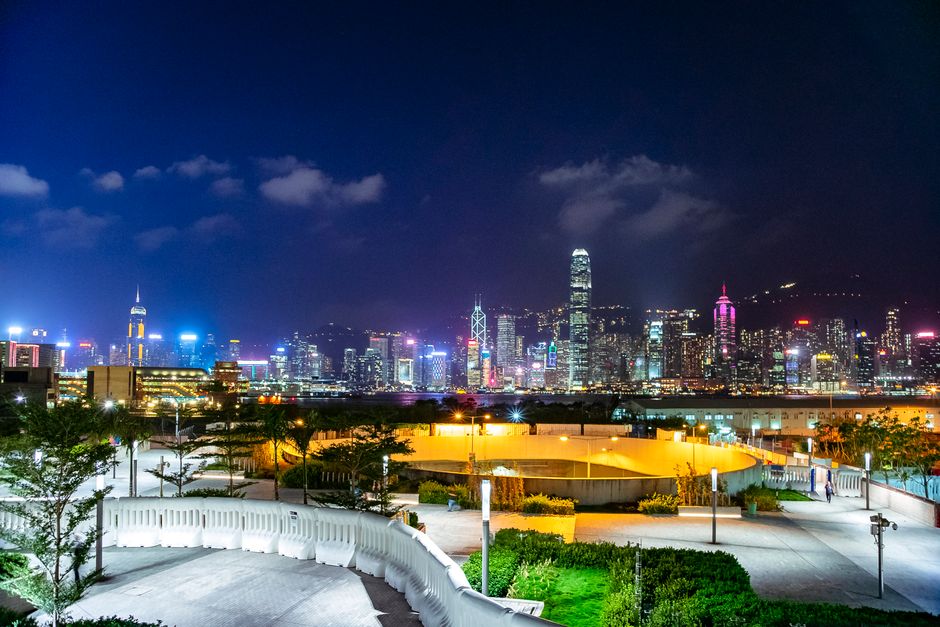
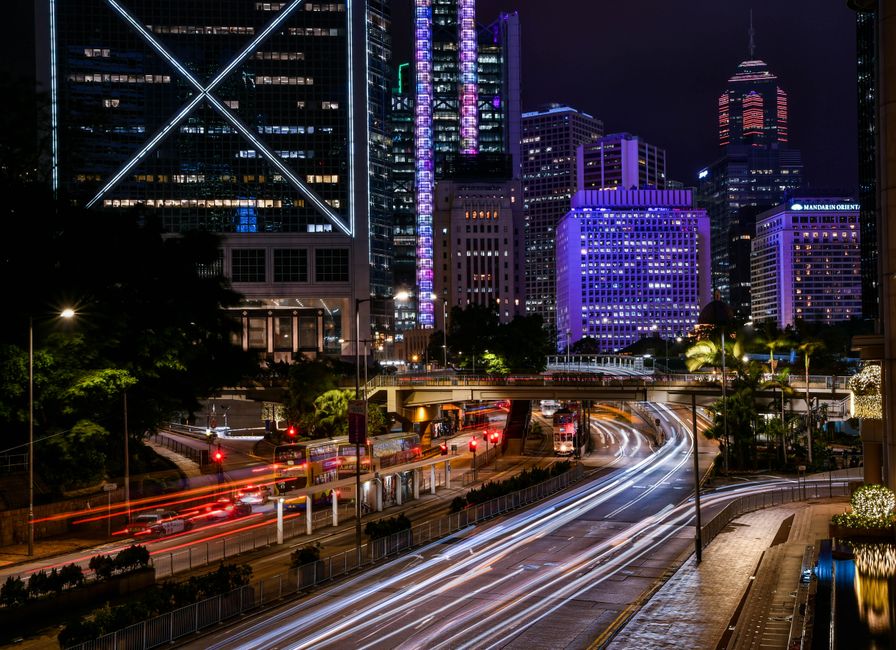
Most weekend travellers face a choice: cosmopolitan energy or natural escape. Hong Kong simply refuses to choose. Within 30 minutes of Central's gleaming towers, you can be hiking through subtropical rainforest. This compressed geography—just 1,104 square kilometres—is what sets this city apart from sprawling competitors like Los Angeles, Singapore, or Dubai.
Take Saturday morning at Tai Tam Country Park in Wan Chai Gap. The Tai Tam Waterworks Heritage Trail winds past colonial-era reservoirs built in the 1880s, offering hiking that weaves history with nature. By noon, you're back in Causeway Bay's energy. Try finding that combo in London or Tokyo without hopping trains for hours.
The island-hopping advantage is distinctly Hong Kong. Ferries from Central Pier cost HK$24–38 (roughly US$3–5) and deliver you to Cheung Chau or Lamma Island in under an hour. Cheung Chau's harbour-side villages feel untouched despite their proximity to financial skyscrapers. Compare that to ferry times from Sydney (2+ hours to Blue Mountains) or Barcelona (3+ hours beyond the city).
What makes this unique is the integration rather than distance. The MTR connects you to trailheads at Sai Kung East Country Park, where you'll find pristine beaches and limestone formations without petrol costs or driving stress. A weekend could legitimately include dim sum in Sham Shui Po, a hike in Hong Kong Island's Pok Fu Lam Reservoir area, and sunset at Stanley Beach—all via public transport costing under HK$50.
Urban leisure thrives here too. The StarFerry itself—operating since 1888—is a 10-minute harbour crossing that doubles as sightseeing. Few cities offer commute infrastructure that doubles as tourism. Compare this to San Francisco's Bay Bridge or Sydney's Harbour Bridge: functional, beautiful, but designed as transportation, not experience.
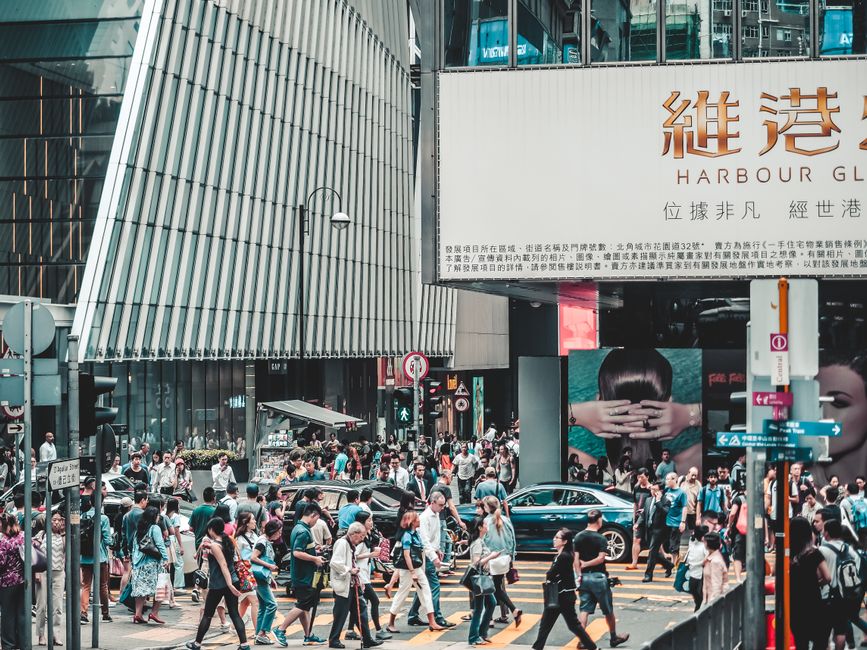
The density also creates unexpected advantages. Street markets like Temple Street Night Market in Mong Kok operate year-round. Galleries cluster in Sheung Wan's converted warehouses. Michelin-starred dim sum restaurants sit alongside dai pai dong stalls. You experience culinary range in a single neighbourhood that might require city-hopping elsewhere.
Weather considerations matter. Hong Kong's subtropical climate means outdoor activities happen nearly year-round, unlike northern European cities shuttered by winter. Summer heat demands planning, but the guarantee of accessibility—rain or shine—appeals to weekend planners seeking reliability.
Hong Kong's true edge isn't any single attraction. It's the economy of movement. Urban density collides with natural reserves, ferry culture bridges island communities, and public transport makes leisure planning effortless. That combination—accessible wilderness minutes from global finance, integrated rather than separated—remains distinctly, powerfully Hong Kong.
This article was compiled by AI and screened before publishing. See our editorial standards.
About this article
Published by The Daily Hong Kong
Spread the word
Daily brief
Free, in your inbox before 7am. Weekdays.
Before you go
The day's Hong Kong news in a 2-minute read. Free, weekday mornings.