How Hong Kong's Commute Routes Map the Soul of Each Neighbourhood
From the MTR platforms to minibus stops, the journey between districts reveals the true character and community rhythms that define life across the harbour.
3 min read
From the MTR platforms to minibus stops, the journey between districts reveals the true character and community rhythms that define life across the harbour.
3 min read
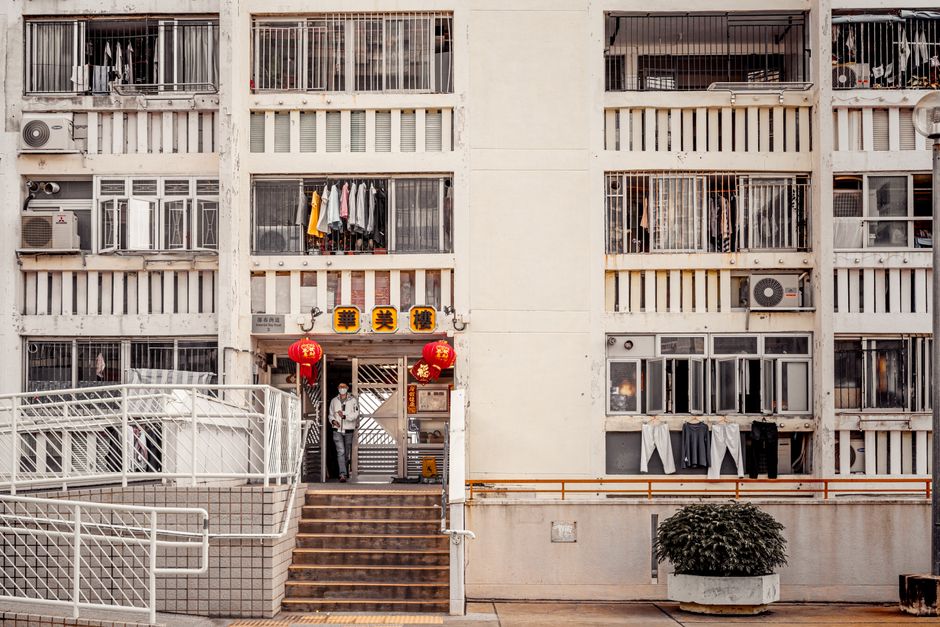
On any weekday morning, Hong Kong's transport arteries pulse with millions of stories. But venture beyond the gleaming MTR stations and air-conditioned buses, and you'll discover that how a neighbourhood moves says everything about who lives there and what they value.
Take the Eastern Corridor commute from Quarry Bay to Central. The morning surge through MTR carriages reveals a neighbourhood in transition—young professionals heading to finance jobs, mixed with elderly residents shuffling to wet markets in Sai Wan Ho before the crowds arrive. Yet step off at Quarry Bay station itself, and the real character emerges: the iconic Monster Building looms overhead as locals navigate a mesh of staircases and alleyways that newcomers find bewildering but residents navigate with practised ease. This is a neighbourhood where transport infrastructure hasn't erased character—it's woven into it.
In Mong Kok, the transport experience feels entirely different. Here, the minibuses—those chaotic, neon-trimmed relics—still dominate in ways that define community identity. Hop on route 2A from Nathan Road, and you're immersed in Cantonese banter, the smell of roasted chestnuts from street vendors, and a rhythm that's distinctly unglamorous yet utterly authentic. These minibuses cost just HK$4-6 per journey, making them the lifeblood of working-class Hong Kong in ways the MTR simply cannot replicate. They stop where residents need to go, not where corporate planners think they should.
Meanwhile, in the New Territories neighbourhoods like Tai Po, transport patterns reveal entirely different community values. The morning commute sees thousands heading south toward Kowloon jobs, but what defines Tai Po's character are the regular shuttles to hiking trailheads—the Bride's Pool, Tai Mei Tuk. Here, transport isn't just about getting to work; it's infrastructure for lifestyle and community identity centred on outdoor recreation and family leisure.
The Island Eastern Corridor bike lanes, expanded significantly in recent years, now show another neighbourhood transformation. From Fortress Hill to Quarry Bay, cyclists have become visible commuters, creating micro-communities of morning riders who've built informal friendships and routines. This emerging transport culture signals shifting values around health, sustainability, and urban life quality that weren't visible five years ago.
Hong Kong's genius lies not in moving people efficiently—though it does that better than almost any city globally—but in how each transport choice reveals neighbourhood soul. Whether you're squeezed into a rush-hour MTR carriage in Central, rattling along in a New Territories minibus, or cycling through residential streets, the journey itself becomes the experience of place. That's where Hong Kong's real character lives.
This article was compiled by AI from the sources linked above and screened before publishing. See our editorial standards.

About this article
Published by The Daily Hong Kong
Spread the word
Daily brief
Free, in your inbox before 7am. Weekdays.
Before you go
The day's Hong Kong news in a 2-minute read. Free, weekday mornings.