Walk through Ladies' Market in Mong Kok on any weekday morning and you'll notice something shifting beneath the familiar chaos of hawking vendors and bargain hunters. Alongside the usual knockoff handbags and fashion basics, QR codes now direct customers to sustainability certifications for textiles, while several stalls have introduced Instagram-worthy packaging to appeal to younger shoppers documenting their finds.
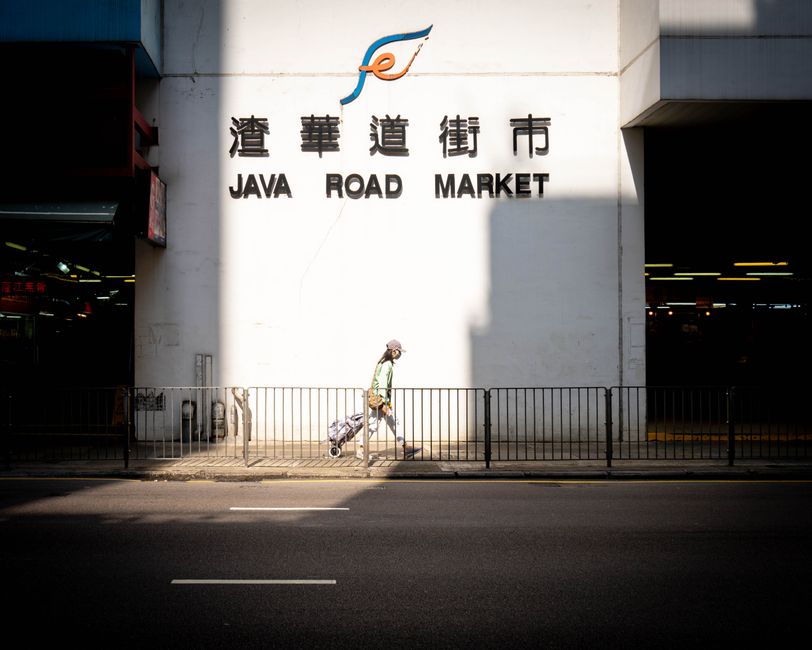
This quiet evolution reflects a broader transformation rippling through Hong Kong's iconic street markets. Once considered relics of pre-mall shopping culture, venues like Cat Street in Central, the Temple Street Night Market in Jordan, and the sprawling Apliu Street in Sham Shui Po are being repositioned as experiential destinations rather than pure transaction spaces.
The shift is partly demographic. According to the Hong Kong Retail Management Association's 2025 survey, nearly 42% of shoppers aged 18-35 now visit traditional markets specifically for the "experience factor"—the hunt, the human interaction, the authenticity—rather than mere price advantage. This has prompted vendors to curate offerings more deliberately. In Sham Shui Po, historically known for electronics bargains, several stalls have pivoted toward refurbished vintage tech and sustainable tech-repair services, attracting environmentally conscious consumers and remote workers seeking character-filled workspace browsing.
Lady's Market vendors report that foot traffic dropped approximately 18% post-pandemic but has since rebounded with a different composition: roughly equal splits between tourists seeking "authentic Hong Kong" experiences and locals treating market visits as lifestyle activities rather than necessity shopping. Average spend per customer has increased by 22%, suggesting visitors are buying fewer items but valuing them differently.
Meanwhile, the government's West Kowloon Cultural District expansion and MTR accessibility improvements have pushed real estate costs up in traditionally working-class market areas. This pressure is forcing consolidation—some long-standing stalls have closed—but survivors are upgrading. Several vendors now offer Alipay and WeChat Pay alongside cash, accept online pre-orders, and maintain Instagram accounts with product photography.
The transformation isn't without tension. Older vendors express concern about gentrification eroding the markets' character, while some locals worry about rising prices. Yet markets remain resilient. Street markets in Hong Kong still generate approximately HK$8.2 billion annually in retail sales, according to government figures, and surveys suggest 76% of residents value them as cultural touchstones.
The future likely belongs to hybrid models: markets that preserve their spontaneous, haggle-friendly essence while adapting to younger shoppers' expectations for sustainability, digital convenience, and social media moments. Hong Kong's street markets aren't disappearing—they're just learning new ways to matter.
This article was compiled by AI from the sources linked above and screened before publishing. See our editorial standards.