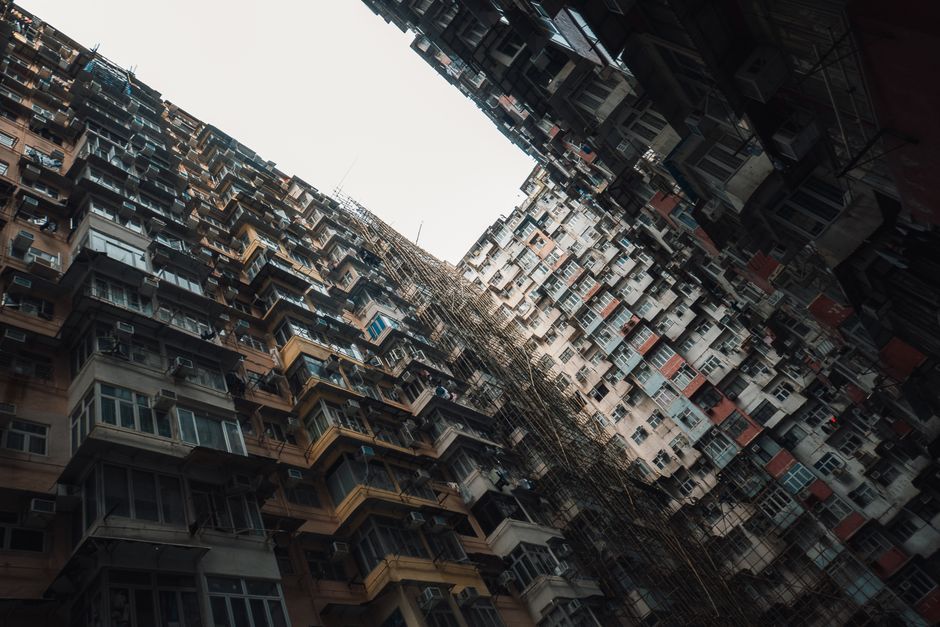
Moving to Hong Kong can feel overwhelming at first—the humidity, the crowds, the seventeen different neighbourhoods that seem equally appealing. But those who've made the transition successfully point to one constant: the people who helped them land.
Take the network of expat communities scattered across the New Territories and Kowloon. In Sheung Wan, where rental prices hover around HK$35,000-45,000 monthly for a modest two-bedroom, you'll find creative professionals who've built something resembling extended family over Sunday dim sum gatherings. These aren't just professional expats on two-year contracts; many have stayed fifteen, twenty years, establishing roots in ways that defy the transient stereotype.
The relocation support ecosystem has matured considerably. Organisations like Hong Kong International School and the American Chamber of Commerce facilitate integration at a professional level, but the real connective tissue happens in places like the co-working spaces of Central and Causeway Bay, where freelancers and startup founders swap neighbourhood recommendations over coffee. Women's networks operating out of venues across the Island District have become essential anchors for single female arrivals, offering practical mentorship alongside friendship.
What newcomers often don't anticipate is how their own backgrounds—Brazilian, Canadian, Filipino, Indian, Lebanese—become threads in Hong Kong's larger tapestry. The city's genuine cosmopolitanism means your story isn't exotic; it's simply part of the neighbourhood fabric. A marketing director from São Paulo finds herself part of a regular futsal group in Mong Kok. A teacher from Manchester joins a running club that meets every Wednesday morning at Victoria Park.
The neighbourhoods themselves attract particular demographics. Repulse Bay and the Peak draw established families; Sheung Wan and Wong Chuk Hang appeal to younger professionals and artists. But boundaries blur constantly. You'll encounter the same faces—the Belgian architect who knows every jazz bar, the Hong Kong-born expat returnee who bridges cultures, the local who insists on teaching newcomers Cantonese—across multiple locations and social circles.
Housing remains the primary challenge; apartments in desirable areas fill quickly, and property agents remain essential navigators. Visa requirements demand employers navigate bureaucracy. Schools have waiting lists. Yet those obstacles become shared experiences, transforming them from individual struggles into communal rites of passage.
The truth visitors eventually learn: Hong Kong works because its people—both those rooted here for generations and those who've recently arrived—remain fundamentally open to connection. That openness, more than any infrastructure or amenity, is what transforms the SAR from a posting into a home.
This article was compiled by AI from the sources linked above and screened before publishing. See our editorial standards.