Central Hong Kong Laneway Culture: Creative Haven Guide
Discover how Central's narrow streets evolved from finance hub to liveable neighbourhood. Explore galleries, pop-ups, and independent cafés reshaping Hong Kong's urban identity.
2 min read
Discover how Central's narrow streets evolved from finance hub to liveable neighbourhood. Explore galleries, pop-ups, and independent cafés reshaping Hong Kong's urban identity.
2 min read
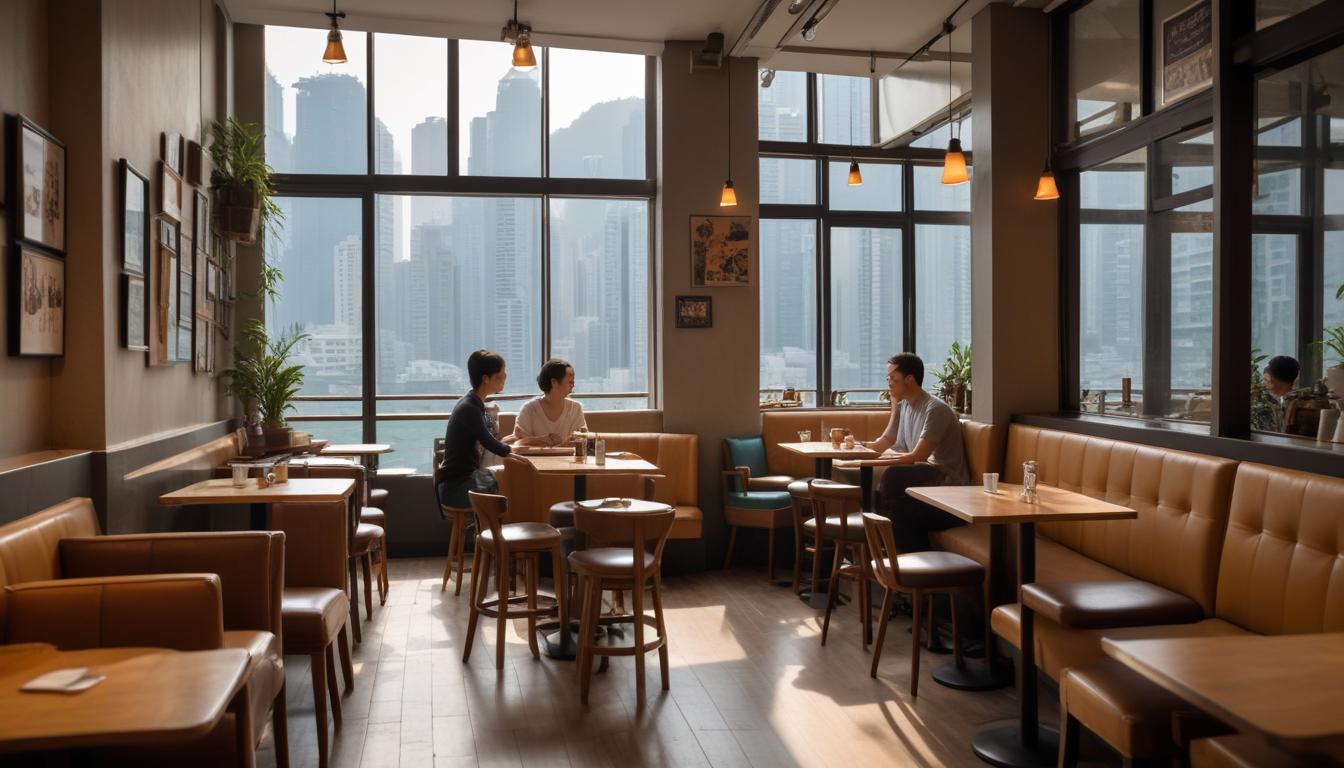
Walk down Staunton Street on a Friday evening and you'll witness a transformation that would have seemed unthinkable five years ago. Where suited finance workers once rushed past in silence, creative professionals now linger outside galleries, pop-up studios, and independent cafés. Central—Hong Kong's traditional power centre—is quietly reinventing itself as a liveable neighbourhood, not just a place to make money.
The shift reflects broader changes across Hong Kong's urban landscape. According to recent data from the Urban Renewal Authority, foot traffic in Central's heritage laneways has increased by 34% since 2023, driven largely by younger residents choosing to live and work within walking distance of home. Rents in converted heritage buildings remain steep—typically HK$45,000-65,000 monthly for a one-bedroom—but the influx of creative industries has created a new economic ecosystem that values presence over profit margins.
Galleries and artist collectives have become the neighbourhood's unlikely anchors. The Central Creative Hub, now entering its fourth year of operation on Gage Street, hosts over 80 creative practitioners across design, digital arts, and photography. Similarly, the revival of Cat Street—historically known for antique dealers—has attracted younger gallery owners who've transformed the steep laneway into a de facto outdoor exhibition space. Several property owners have begun offering subsidized studio spaces, a striking departure from the neighbourhood's historically ruthless commercial model.
Yet this evolution sits uneasily alongside gentrification pressures. Traditional dim sum restaurants, wet markets, and family-run businesses that once defined Central's street life continue disappearing. Wing Sing Tea House, a 47-year institution on Gough Street, closed last September. Meanwhile, artisanal coffee shops and wellness studios have multiplied—there are now over 40 specialty cafés within a ten-minute walk of Des Voeux Road.
Community organizations like the Central & Western District Community Centre have begun documenting the neighbourhood's changing character through oral history projects and heritage walks—efforts to preserve memory even as the physical landscape transforms. Their recent survey of 300 long-term residents revealed that 68% felt the neighbourhood had fundamentally changed in the past decade, with mixed feelings about whether the trade-offs benefited the broader community.
What's emerging is a distinctly post-pandemic Central: less about boardroom power plays, more about how people actually want to live. Whether this represents genuine urban renewal or merely gentrification wearing a creative mask remains the neighbourhood's central tension.
This article was compiled by AI from the sources linked above and screened before publishing. See our editorial standards.
About this article
Published by The Daily Hong Kong
Spread the word
Daily brief
Free, in your inbox before 7am. Weekdays.
Before you go
The day's Hong Kong news in a 2-minute read. Free, weekday mornings.