Your Neighbourhood Blueprint: A Practical Guide for Hong ...
From Sheung Wan's heritage lanes to Sham Shui Po's creative hubs, here's how to navigate Hong Kong's most liveable districts like a true local.
2 min read
Updated 7 h ago
From Sheung Wan's heritage lanes to Sham Shui Po's creative hubs, here's how to navigate Hong Kong's most liveable districts like a true local.
2 min read
Updated 7 h ago
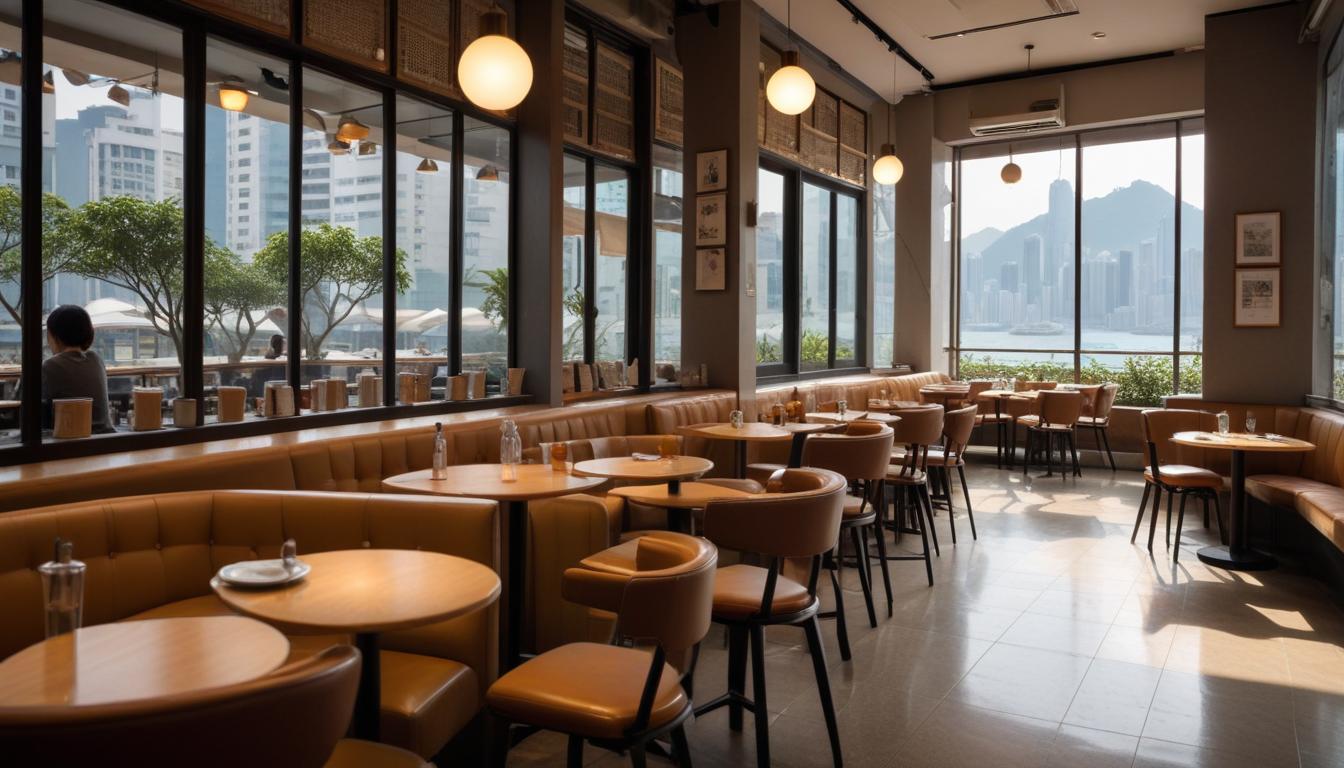
Hong Kong's reputation as a vertical metropolis often masks its most valuable asset: walkable, interconnected neighbourhoods that reward exploration. Whether you've lived here five months or five years, intentionally discovering your district transforms daily routines into genuine community engagement. The key is moving beyond MTR stations and tourist maps.
Start in Sheung Wan, where Cat Street (Upper Lascar Row) remains a masterclass in urban discovery. Threading between antique dealers, independent galleries, and hole-in-the-wall dai pai dong stalls, this stretch costs nothing to explore. Nearby, the Sheung Wan Community Centre hosts free or low-cost classes—pottery, tai chi, Cantonese conversation—often overlooked by residents rushing past. Monthly neighbourhood festivals here draw locals who actually live within the 1.5-kilometre walking radius most Hong Kongers never venture beyond.
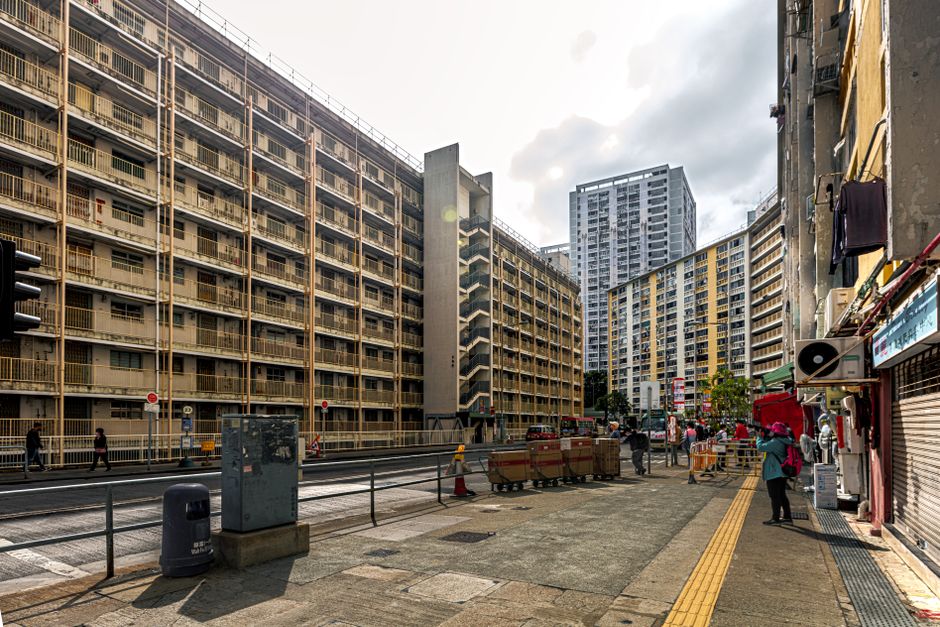
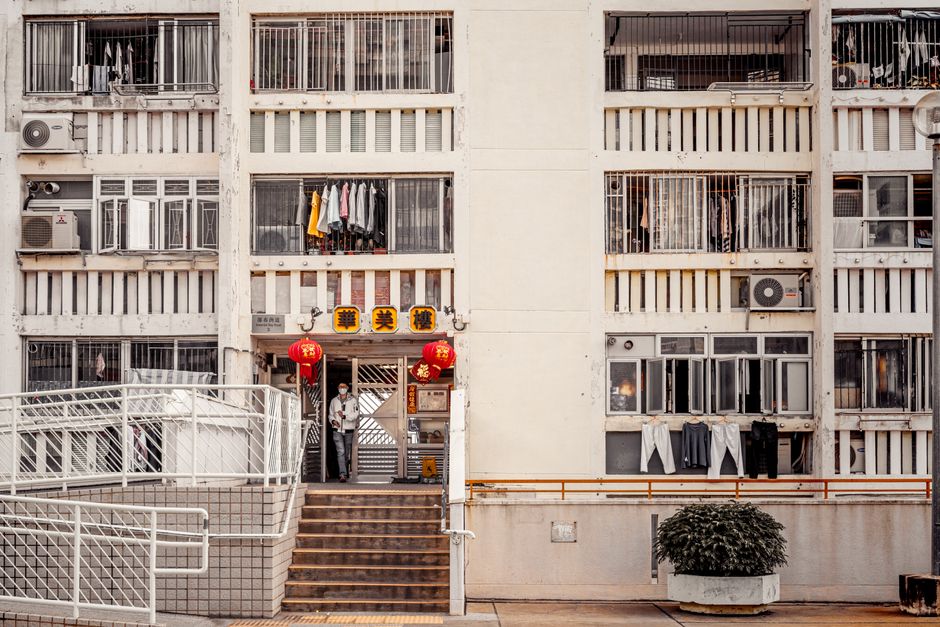
In Sham Shui Po, the transformation from wholesale hub to creative quarter has accelerated since 2023. Nam Cheong Street's fabric markets now share blocks with independent coffee roasters and design studios. The Pao Shing Street public housing estate, built in 1969, has become an unexpected destination—its communal plazas host informal gatherings, and the nearby Apliu Street offers everything from vintage electronics to secondhand books at prices that reflect genuine affordability. Budget HK$50–100 for a substantial lunch here, compared to HK$150+ elsewhere.
Tai Hang and Wan Chai's eastern edge provide neighbourhood feel with substance. The Tai Hang Fire Dragon festival may be annual, but year-round, residents navigate narrow lanes where wet markets, family-run restaurants, and community organisations like the Wan Chai District Office's sports facilities form actual social infrastructure. The Mid-Levels Walking Trail, accessible from nearby, connects these areas through green space—a free resource most residents never use despite living metres away.
The practical framework: identify your neighbourhood's community centre (funded by the Hong Kong Council of Social Service), check their monthly programmes, and attend one event. Visit the local wet market early morning—not for shopping, but for observing actual community rhythm. Walk the backstreets adjacent to major thoroughfares; Hong Kong's charm lives in these tertiary lanes.
Consider these districts not as consumption destinations but as networks of services, relationships, and shared spaces. Many long-term residents report that deliberate neighbourhood exploration increased their sense of belonging more than any expatriate meetup could. The investment required: time and genuine curiosity. The return: a Hong Kong that feels genuinely yours.
This article was compiled by AI from the sources linked above and screened before publishing. See our editorial standards.

About this article
Published by The Daily Hong Kong
Spread the word
Daily brief
Free, in your inbox before 7am. Weekdays.
Before you go
The day's Hong Kong news in a 2-minute read. Free, weekday mornings.