lifestyle
Hong Kong's Causeway Bay Outpaces Global Shopping Districts With Unique Vertical Design
From vertical retail canyons to the quiet tradition of Victoria Park, Hong Kong’s pulse remains unmatched by any global rival.
Listen in English · 4 min
How we reported this
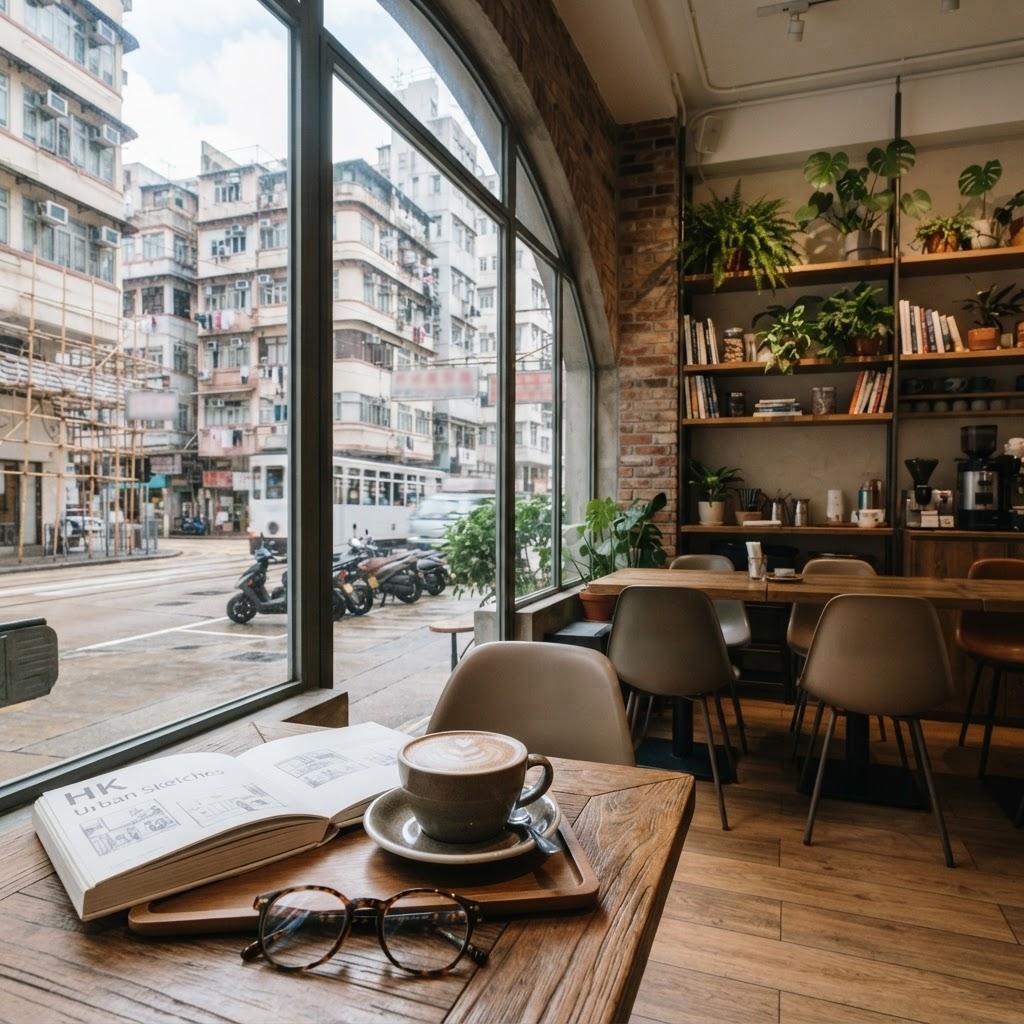
Causeway Bay persists as the gravitational center of Hong Kong’s retail and cultural identity, functioning less like a standard city district and more like a high-density vertical machine. While global hubs like New York’s Times Square or London’s West End rely on horizontal sprawl to accommodate their crowds, Causeway Bay compresses its commerce into towering monoliths, creating a pedestrian experience that turns the act of shopping into an exercise in architectural navigation.
The Verticality of Urban Commerce
The neighborhood is defined by its extreme density, where the street-level vibrancy of Great George Street feeds directly into multi-story complexes such as Hysan Place and Times Square. Unlike the sprawling retail parks found in many North American or European cities, Causeway Bay thrives on a interconnectedness that forces interaction between disparate demographics. Office workers from the skyscrapers of Lee Garden converge with late-night diners at the legendary Yee Wo Street noodle joints, all while being funneled through transit nodes like the MTR Causeway Bay Station.
This unique urban form matters now more than ever as global cities grapple with post-pandemic occupancy rates and the decline of traditional high streets. Hong Kong has maintained a remarkably high foot-traffic threshold in this district, anchored by a unique blend of heritage and hyper-modernity. The presence of the Royal Hong Kong Yacht Club at the waterfront provides a serene counterpoint to the frenetic energy of the nearby department stores, showcasing the stark juxtapositions that define local life here.
Tradition Amidst the Neon
While the district is famed for its flashing LED screens and aggressive commercial growth, the spiritual heart of the area remains firmly rooted in the expansive greenery of Victoria Park. Managed by the Leisure and Cultural Services Department, this space provides the essential breathing room for a population that lives in some of the most confined residential conditions globally. It is common to see residents practicing Tai Chi in the early morning hours, creating a visual contrast against the backdrop of the surrounding SOGO department store, which has remained a fixture of the local retail scene since its opening decades ago.
Data regarding the district’s commercial health underscores its resilience. According to quarterly retail performance reports issued by the Rating and Valuation Department, the rental yields for prime retail space in the Causeway Bay sub-market have maintained a distinct premium compared to other major urban centers in the Asia-Pacific region. These figures, released in mid-2026, suggest that despite broader shifts in consumer behavior toward digital platforms, the physical appeal of Causeway Bay as a destination remains robust.
For those looking to understand the mechanics of the city, a walk from the neighborhood’s northern waterfront edge toward the dense residential blocks of Tai Hang offers a masterclass in urban planning. Travelers and residents alike should prioritize visiting the area on a weekday evening, when the transition from office hours to leisure time is most apparent. The mix of high-end flagship stores and tucked-away local tea houses provides a comprehensive look at how Hong Kong balances its status as a global financial powerhouse with its deeply ingrained community traditions.