Property
The Rent-Vesting Strategy Explained for This Market
With Hong Kong property prices outpacing incomes, 'rent-vesting' offers a new approach—but is it truly affordable here?
3 min read
Property
With Hong Kong property prices outpacing incomes, 'rent-vesting' offers a new approach—but is it truly affordable here?
3 min read
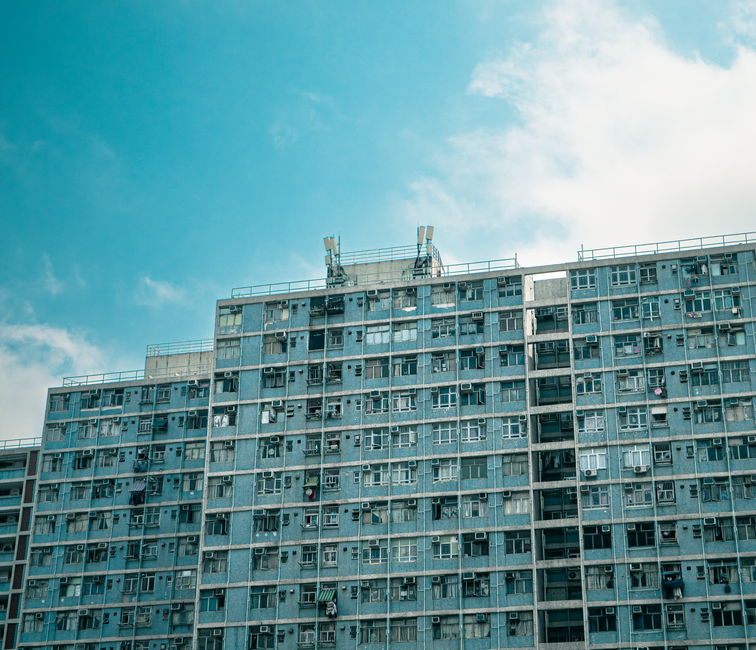
Record-high home prices in Hong Kong are driving a small but growing number of young professionals to embrace 'rent-vesting': renting their primary residence in a desirable location while buying property elsewhere to get onto the housing ladder.
This hybrid strategy has gained new traction in the city since the government relaxed stamp duties for non-local buyers in March, reigniting debate over housing affordability from Yuen Long to Kennedy Town. While conventional wisdom urges buyers to live where they purchase, today’s newcomers are rethinking whether owning a home in places such as Cheung Sha Wan—or further afield—makes more sense than squeezing into an older studio in Wan Chai or Sheung Wan.
Rent-vesting in Hong Kong often involves renting an apartment in a central location—think Sai Ying Pun or Prince Edward, where commute times are short and nightlife is bustling—while purchasing a property in a less expensive district, such as Tin Shui Wai or Tuen Mun. For workers at the International Commerce Centre or Central’s financial towers, proximity to the office remains a priority, but with the median price for a 400-square-foot flat in Mid-Levels now hovering around HK$9.8 million, many see home ownership in central districts as unrealistic.
Instead, some buyers target new projects along the Tuen Ma Line. According to JLL Hong Kong’s 2026 midyear report, the median price for a two-bedroom unit at The Graces in Yuen Long closed at HK$6.2 million in June, far below the HK$8.5 million average for similar-sized flats clustered near Austin Station or Olympic. "Buy where you can afford, rent where you want to live" has become the unofficial slogan among savvy young professionals scanning Centaline’s listings and trawling online housing forums.
Affordability remains the key driver behind rent-vesting. Hong Kong’s household income median is roughly HK$30,000 a month, according to the Census and Statistics Department’s latest release. To buy a HK$10 million flat with a 70% mortgage, buyers need to fork out nearly HK$3 million upfront—including the initial deposit and related fees—even after last quarter’s stamp duty cuts. By contrast, monthly rents for a 450-square-foot flat in Jordan or Mong Kok average HK$17,000–20,000, letting residents live centrally for years before committing to a full purchase.
Still, the approach isn’t without risk. Those buying in Yuen Long or Tsing Yi may face sluggish capital growth compared to pricier neighborhoods, and rental markets are not immune to volatility—especially amid economic shocks tied to ongoing global tensions and rising energy costs. Further, tax implications around rental income and depreciation are complicated, with few tailored policies from the Inland Revenue Department beyond basic allowances.
For anyone considering rent-vesting, the Hong Kong Mortgage Corporation’s 90% mortgage guarantee program for first-time buyers is worth close consideration, along with potential financing incentives offered by major banks like HSBC and Bank of China. Checking rental market trends on platforms such as Spacious.hk can also provide up-to-date neighborhood comparables.
For those shut out of property ownership in their dream location, rent-vesting is becoming a workable alternative. But as with any market-driven decision in Hong Kong’s ever-fluctuating landscape, it pays to crunch the numbers—and keep a sharp eye on both rent and resale prospects before signing on the dotted line in neighborhoods from Lau Fau Shan to Lai Chi Kok.
About this article
Published by The Daily Hong Kong
Spread the word
Daily brief
Free, in your inbox before 7am. Weekdays.
Before you go
The day's Hong Kong news in a 2-minute read. Free, weekday mornings.