Property
How much rent is too much? The 30% rule in practice
For many Hong Kong residents, monthly rent is devouring far more than a third of take-home pay. Are city renters chasing an impossible financial benchmark?
4 min read
Property
For many Hong Kong residents, monthly rent is devouring far more than a third of take-home pay. Are city renters chasing an impossible financial benchmark?
4 min read
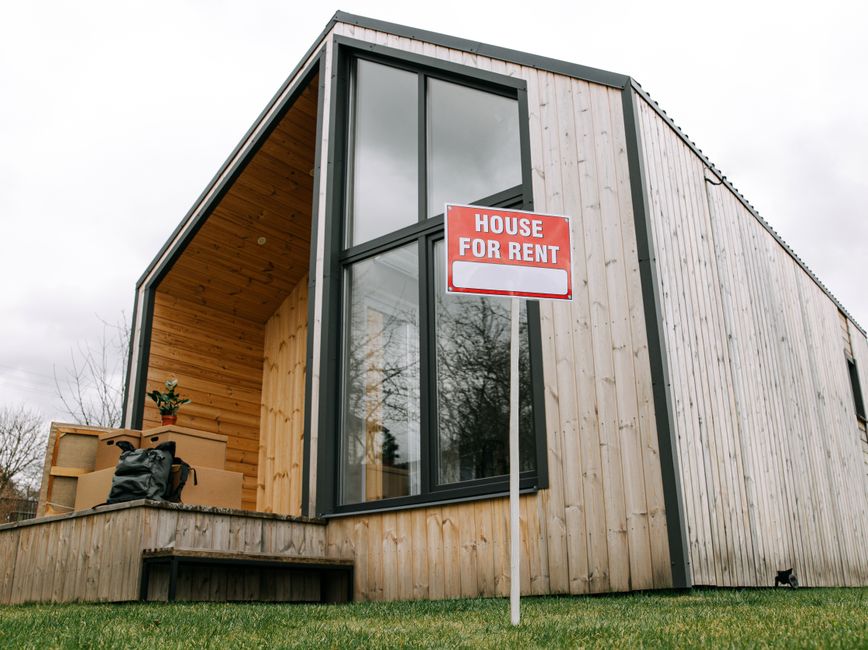
Rising rents in Hong Kong are stretching household budgets, with many tenants on Hong Kong Island and in Kowloon shelling out more than 40% of their monthly income just to secure a home, far above the internationally recommended 30% threshold for housing costs.
This figure has real consequences as everyday essentials get pricier and higher interest rates cool buying activity. For tens of thousands, particularly young professionals squeezed out of the property market, the question is urgent: how much is too much to pay for rent, and is the 30% rule still meaningful in the city’s famously punchy market?
The 30% threshold—long a rule-of-thumb for housing affordability—is straining under Hong Kong’s high property costs. According to Centaline Property Agency, the median rent for a 400-square-foot flat in Quarry Bay is now hovering around HK$21,000 per month. Yet the median monthly household income, based on the Census and Statistics Department’s most recent report (Q1 2026), stands at HK$35,100. That means the typical family renting an average flat near Taikoo Place or along King’s Road is already allocating about 60% of their income to rent alone, double the recommended benchmark.
Over in Sha Tin, where rents are considered more affordable, a comparable unit still fetches about HK$15,000 per month, according to recent rental listings posted on PropertyGuru. Even here, a single-earner household earning the city median would be spending over 40% of their income meeting rental obligations each month—before utilities or management fees come into play.
Affordability challenges have broad ripple effects. "We’ve seen a clear uptick in households moving further out—Tung Chung, Yuen Long, Tin Shui Wai—just to stay within shouting distance of the 30% rule," says a spokesperson for the Hong Kong Social Workers Association, which tracks housing stress among middle-income families. “But at a certain distance, savings on rent are offset by rising transport costs and lost time.”
This tension is sharpening as local buyers hold back, even after the government slashed stamp duties for non-residents and relaxed lending restrictions in March. Data from the Rating and Valuation Department puts the sell price of a median flat in the New Territories at about HK$7.2 million, down slightly from 2025 highs but still well out of reach for most renters—an estimated 48% of whom have zero savings for a down payment. Developers are advertising "zero mortgage" schemes in Hung Hom and Kowloon Bay, but uptake remains low.
With little prospect of big rent reductions, the best advice from consumer groups like the Hong Kong Consumer Council is to budget strictly and avoid viewing the 30% rule as a realistic target in isolation. "Residents must balance housing costs with savings, healthcare and education," the council’s most recent Home Finance report advises. “Set a ceiling, but don’t bankrupt your wider life just to chase an arbitrary figure.”
In practical terms, this means Hongkongers are often choosing between a smaller, older unit closer to work in Mong Kok or Jordan, and a longer commute from new developments in Tuen Mun. Small flats continue to see the fiercest competition. According to Centaline, apartments under 300 square feet in Sham Shui Po are back to 2022 peak prices—proof that even micro-sized space is far from cheap.
The 30% rule may be slipping away as a benchmark for urban renters. As a case in point, public housing waitlists in districts like Wong Tai Sin and Kwun Tong exceeded 6.2 years on average as of May—underscoring just how far the private rental market has diverged from international affordability standards. For now, the bottom line in Hong Kong: watch the rent, but keep an even closer eye on trade-offs elsewhere in your budget.
About this article
Published by The Daily Hong Kong
Spread the word
Daily brief
Free, in your inbox before 7am. Weekdays.
Before you go
The day's Hong Kong news in a 2-minute read. Free, weekday mornings.