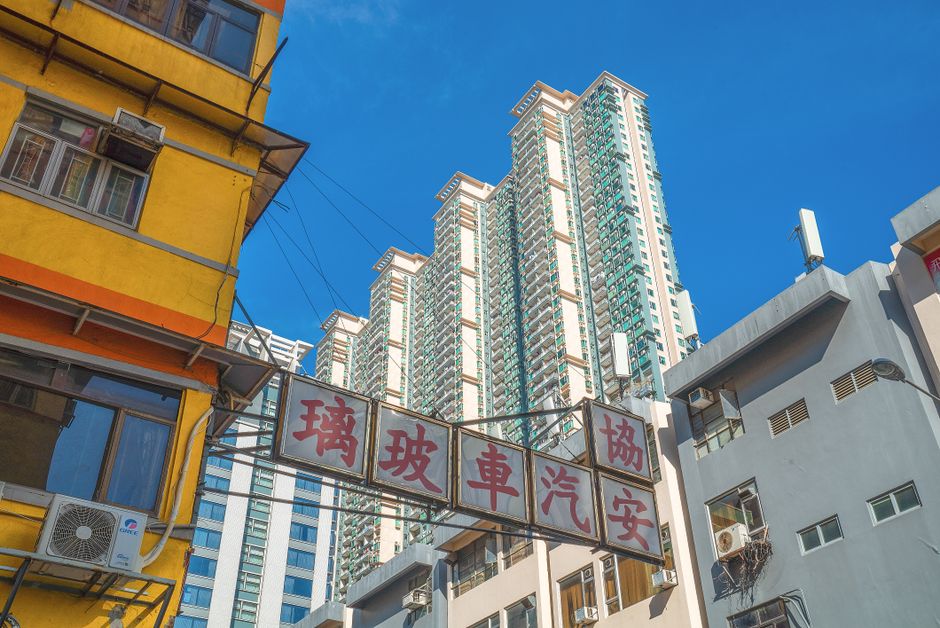
In Sheung Wan, 28-year-old office manager Cherry Lau has just signed a lease for a roomy walk-up on Bonham Strand — but she owns a 310-sq-ft rental flat in Yuen Long, collecting steady income while paying rent in her preferred city location. This dual strategy known as 'rent-vesting' is gaining traction among Hong Kong’s cash-strapped professionals, who want a foothold in the city’s feverish property market but prize the convenience of central neighbourhoods.
A growing segment of Hong Kong’s population is facing a stark choice: buy a far-flung New Territories flat (with a staircase commute to Central) or remain trapped in an endless rental cycle. The city’s property sector, ground down by years of price inflation, has seen some relief since the government eased stamp duties for foreign buyers in February, but most median earners remain priced out of districts like Mid-Levels or Kennedy Town where monthly rent for a mid-size flat can reach HK$38,000.
How Rent-Vesting Works on the Ground
Under the rent-vesting model, buyers purchase smaller or more affordable units — typically in outer districts including Tuen Mun, Yuen Long, or Tin Shui Wai — and lease them out, while themselves renting a flat in the more desirable, central urban areas. This approach, long embraced quietly by investors, now finds wider popularity among first-time buyers keen to break into the market without sacrificing quality of life or manageable commutes.
At The Sparkle in Tuen Mun, 350-sq-ft starter flats change hands for around HK$4.3 million, compared to the median Central and Western flat at HK$9.2 million, according to Centaline Property data for Q2 2026. Monthly rent for an entry-level Tuen Mun flat is about HK$11,000, while similar-size city flats can exceed HK$21,000. By financing an investment property on the outskirts, individuals like Ms Lau use rental income to help cover their own rent in urban hubs such as Wan Chai or Sai Ying Pun — and keep their capital exposed to property appreciation prospects.
Affordability Calculation: Numbers in Focus
Property broker JLL notes Hong Kong’s price-to-income ratio remains challenging: a family earning the median HK$37,200 monthly income would need nearly 22 years of those earnings (before tax) to buy an average flat in affluent districts like Tai Koo or Homantin. Down payment requirements, hovering at 30% for flats under HK$10 million, pose another hurdle. The government’s long-running Starter Homes scheme helps, but quotas are tight and eligibility restricted by income level and residency status.
On the rental side, demand has softened slightly in the last two quarters, with July’s Savills Landlord Index reporting a 3% dip in luxury rents in The Peak and a 1.5% drop in Kowloon Tong. Yet rents in dense, transit-linked districts like Mong Kok or North Point remain sticky. For would-be buyers unable to outbid investors in Shek Kip Mei or Quarry Bay, buying to rent out — then using that cash flow to defray their own urban rent — is often the only path to property exposure.
Financial advisors specialising in young professionals point to the need for careful budgeting. Factoring in mortgage costs, management fees for new-build estates, property tax, and vacancy risk, rent-vesting only works with sound number-crunching and professional guidance from firms like Midland Realty or Ricacorp Properties. Still, as Hong Kong’s housing market continues to edge sideways, more first-time buyers are trading the dream of a trophy address for a foothold at the city’s fringes — pairing rental flexibility with long-term investment potential.