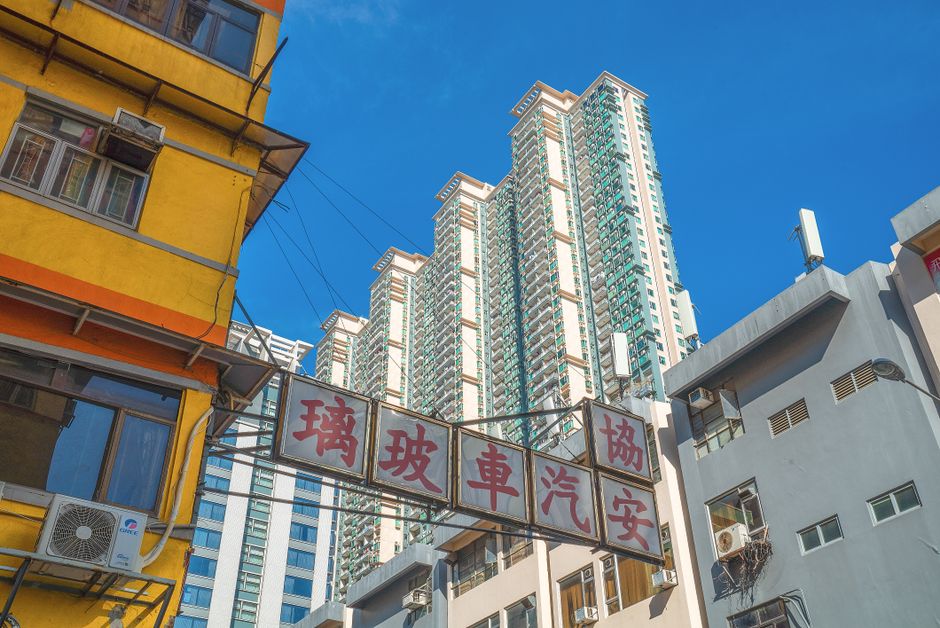
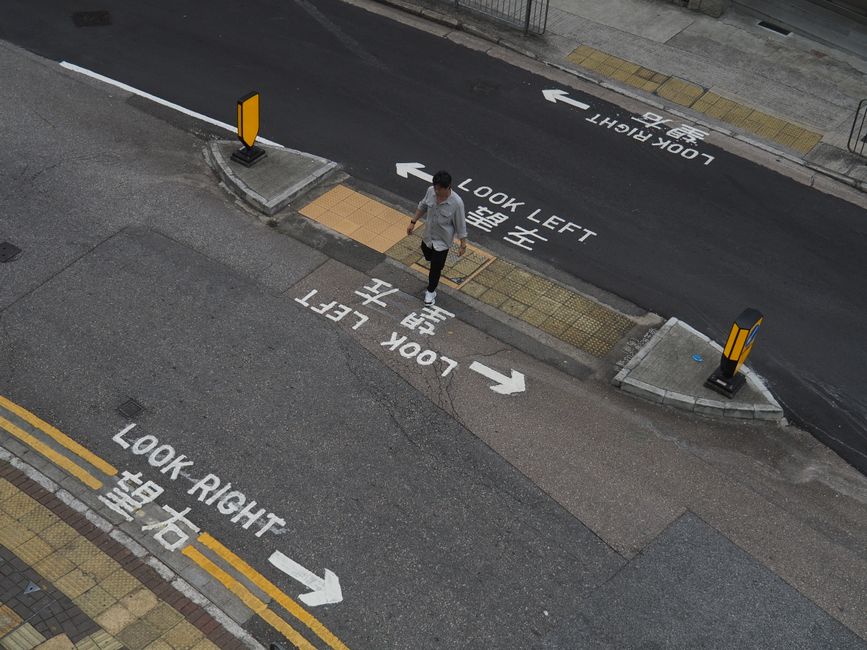
When leases come up for renewal this summer, tenants across Hong Kong face a stark reality: landlords are raising rents, options are limited, and thousands are scrambling to secure their next home. In dense districts like Mong Kok and newer estates in Tseung Kwan O, agents say listings are being snapped up within days, leaving many renters with little leverage or time to plan their next move.
This squeeze comes as the city’s rental vacancy rate dips below 6%, according to data released on 2 July by Centaline Property. (That’s compared to a pre-pandemic average of nearly 10%.) The shortage matters especially now, after a wave of buy-to-let investors sold off old stock in popular zones such as Tai Hang and Ho Man Tin last year. It’s left renters with fewer choices, even as home purchase prices—where a median flat can fetch HKD 9 million—keep home ownership firmly out of reach for many.
Tight Supply in Familiar Neighbourhoods
Districts once considered mid-priced havens are feeling the crunch. In Kowloon Tong, for example, two-bedroom flats at Parc Oasis are now listed for HKD 32,000 per month—half a year ago, similar properties commanded under HKD 28,000. On Luen Wo Hui’s leafy side streets in Fanling, one-bed units for under HKD 11,000 are vanishing from agency windows.
Agencies like Midland Realty and Ricacorp are urging renters to widen their search radius beyond their usual MTR stops. "Clients now look at Yuen Long or Tsing Yi after being squeezed out of Prince Edward or Whampoa," said a seasoned local agent. Even then, fresh listings are rare. As of late June, Point2Home’s records showed fewer than 180 private flats available for immediate rent in Sha Tin—a 23% drop year-on-year.
Rents Up, Choices Down
The numbers confirm the anecdotes: Savills Hong Kong reported last week that average private residential rents across the city rose 6% in the first half of 2026, the fastest half-year uptick since 2018. New supply lags demand, especially in urban hubs near schools and business districts. From Sham Shui Po’s heritage walk-ups to the modern towers above Kai Tak MTR, the shortage is acute.
Meanwhile, buying remains out of reach for most renters. Despite the government’s partial easing of stamp duty for foreigners and first-time buyers in April 2026, a typical 500-square-foot flat in Hung Hom carries a price tag of HKD 8.3 million according to official transactions posted on 28 June. Unless renters have managed to save a hefty down payment—on average, over HKD 2 million—they’ll be pushed to renew leases at higher rates or face extended commutes from further afield.
What to Do When Your Lease Is Up?
With limited options, tenants whose leases are ending have a few choices. First: start early. Begin searching at least three months before your contract expires and check neighbourhood message boards (like OpenRice and district Facebook groups) for below-market sublets. Second: negotiate firmly but politely with landlords, referencing recent transaction data—platforms like Centadata and the Rating and Valuation Department’s rental index can arm you with evidence for capped increases or longer tenures. Third: consider less central districts, where Tseung Kwan O and Tin Shui Wai still offer some two-bedroom options below HKD 20,000.
For those particularly vulnerable—young families or recent arrivals—NGOs such as St James’ Settlement can advise on transitional housing. And bear in mind, landlords may now accept shorter leases or added flexibility just to secure reliable tenants in a churn-heavy season. Above all, be prepared for quick decisions and competition. In today’s Hong Kong, fast action and flexibility are renters’ strongest assets.