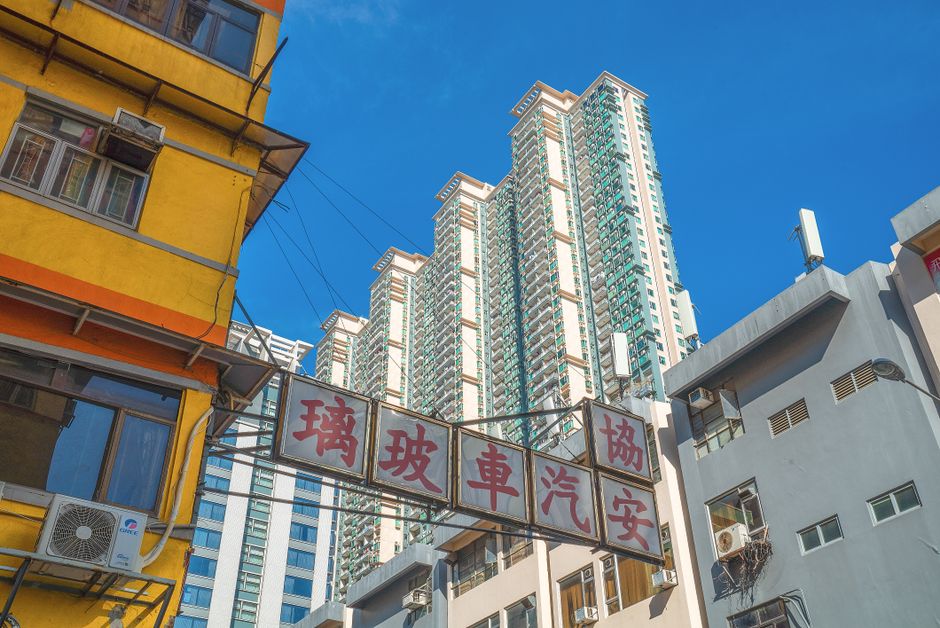
Rising flat prices have sent more Hong Kong residents hunting for alternatives to traditional homeownership, and one strategy—rent-vesting—is quietly catching on among younger professionals, brokers say.
The median prices for flats in the city centre are still stubbornly high, with many buyers facing an HKD 8-10 million entry ticket for a two-bedroom on Hong Kong Island. Although government measures like eased stamp duty for non-local and returning Mainland buyers have offered some relief, the age-old dream of owning a home in Central, Sheung Wan or Mid-Levels remains out of reach for most first-time buyers. As a result, a growing number are weighing up rent-vesting: renting a property that fits their lifestyle in popular neighbourhoods, while investing in more affordable homes in regional districts like Yuen Long or Tseung Kwan O.
Why Now? Why Here?
This shift is coming at a time when the rental market is showing signs of stabilisation. According to Centaline Property research released in June, median rents in Wan Chai and Sai Ying Pun are hovering around HKD 32 to 39 per square foot, while home prices in the area have dropped by less than 2% year-on-year—now averaging between HKD 15.5 and 18 million for new developments on Queen’s Road East. The property market’s decoupling of rents and prices has left many young singles and couples renting small flats in Kennedy Town, but investors purchasing units in outlying areas such as Tuen Mun for as low as HKD 4.2 million.
Property brokers from Midland Realty and Ricacorp have identified a clear uptick since April 2026 in inquiries about lower-priced, rental-yield-focused flats in older estates near MTR stations in the New Territories. For example, Kingswood Villas in Tin Shui Wai and City One Shatin are drawing attention because of their lower buy-in costs and stable rental demand from local families and students at nearby institutions.
The Numbers Behind Rent-Vesting
Centaline’s June snapshot shows the average gross rental yield in Yuen Long reached 3.9% in Q2 2026, compared with districts like Sheung Wan, where yields are closer to 2.1%. Mortgage rates remain low—Hong Kong Monetary Authority’s standard HIBOR-linked mortgage averaged 3.18% in June—making leveraged property investment attractive. Still, a buyer of a HKD 5 million Tin Shui Wai flat who puts down the minimum 10% (about HKD 500,000) faces monthly repayments of roughly HKD 19,900 under a 25-year mortgage, while rents for a typical 450 sq ft flat in Wan Chai or Sheung Wan run at about HKD 21,000. That means a single professional could rent near work or Central’s nightlife for convenience, and yet own an appreciating asset in an up-and-coming New Territories suburb.
Hong Kong Mortgage Corporation data suggests more than 1,600 mortgage applications for secondary-market flats priced under HKD 7 million were processed in Q2—a 22% increase over last year, pointing to heightened interest among would-be rent-vesters.
What Next? Tips for Prospective Rent-Vesters
Rent-vesting is not a shortcut to easy riches. Owners face vacancy risks, maintenance bills, and Stamp Duty obligations—though the new relaxed rates mean lower upfront costs for many buyers, especially dual-income professionals. Market watchers from JLL and Colliers warn that investors should focus on flats close to transportation, universities, or major shopping centres—Tseung Kwan O’s Capri, Tuen Mun Town Plaza sector, and selected blocks in Fo Tan are among those with consistent rental demand.
Experts advise crunching the numbers carefully. Potential rent-vesters should calculate all ongoing costs, factor in the likelihood of further interest rate hikes by the US Federal Reserve, and consult lenders about achievable Loan-To-Value ratios. For Hongkongers seeking the best of both worlds—urban lifestyle and a stake in real estate—rent-vesting offers a practical, if nuanced, route onto the property ladder in 2026.