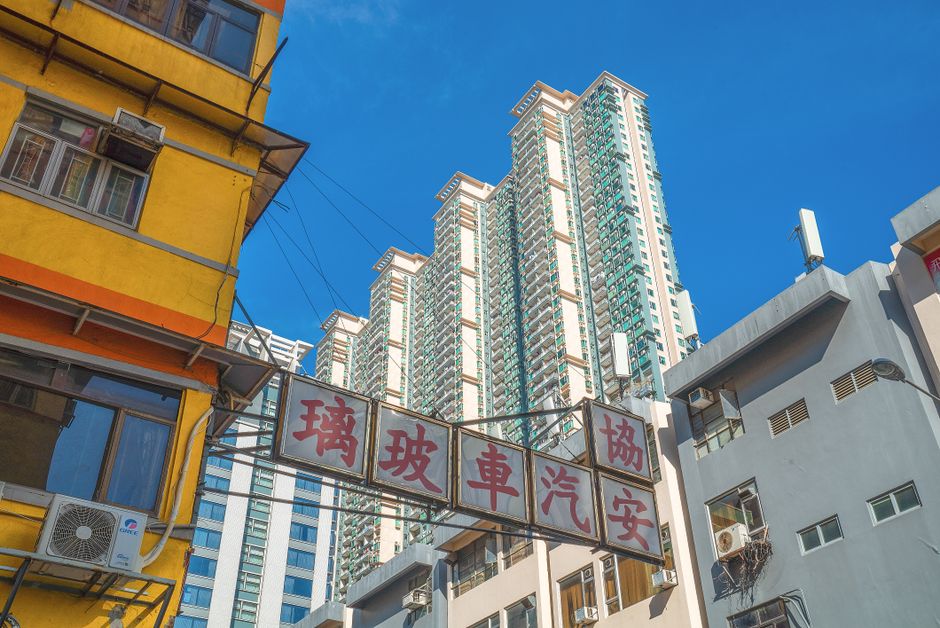
Hong Kong renters in areas like Tsuen Wan and Yuen Long are paying significantly lower monthly housing bills than their counterparts in Central, yet both groups are confronted with a climb in rents that outpaces wages—an imbalance now echoing in capital cities worldwide.
This matters more than ever in mid-2026 as property transfers pick up after the government relaxed stamp duty rules for non-resident buyers in February. Prospective Hong Kong homeowners are reevaluating the rent-vs-buy equation just as rents for many mid-tier flats are climbing by double digits this year, according to new figures from the Rating and Valuation Department.
Tsuen Wan Tenants Pay Half—But For How Long?
Tucked against the harbourfront, Tsuen Wan remains a haven for renters trying to escape central city prices. The average monthly rent for a 500-square-foot flat here is now hovering at HK$14,000 in June, compared to HK$28,000 for a similar apartment on Caine Road in Mid-Levels. Property consultancy JLL’s latest market snapshot notes that rents in the New Territories have risen 6.2% over the past 12 months, pushed up by demand from younger workers and mainland professionals priced out of city-core districts.
The contrast is starker in luxury enclaves. Over on The Peak, where apartment prices typically top HK$80 million, renting a 1,500-square-foot family flat runs upwards of HK$70,000 per month. By comparison, the same budget in Sha Tin could finance a three-bedroom with sea views and still leave change for private shuttle bus fares into Kowloon Tong's education belt.
But even New Territories bargains mask underlying pressures. According to Centaline Property, vacancy rates in major private estates like Yoho Town (Yuen Long) have hit a five-year low. “We’re seeing strong rental demand partly because more would-be buyers are waiting for prices to drop further,” says Centaline’s June report. The result? A subtle but growing squeeze, particularly for flats under HK$15,000 a month—a segment where listings disappear within days.
Global Capital Comparisons: Hong Kong Remains Extreme
Despite regional differences, Hong Kong’s renters and buyers still pay more relative to income than those in New York, London, or Singapore, according to the annual Demographia Housing Affordability Survey. The city’s median home price stands at HK$9.5 million as of May 2026. On the rental side, the citywide median rent for new private leases has risen to HK$23,800 per month, edging closer to pre-pandemic highs. Meanwhile, median household income sits at just HK$29,000, keeping Hong Kong’s price-to-income ratio among the world’s most daunting.
Government incentives introduced in early 2026, including the relaxation of the Buyer’s Stamp Duty and New Residential Stamp Duty, injected some activity into the sales market—especially from non-permanent residents. Yet, banks such as HSBC continue to demand mortgage downpayments of at least 40% for most urban flats above HK$12 million, a far steeper bar than in overseas capitals.
For budget-focused renters, housing NGO HKCSS points to Tin Shui Wai North as one of the last redoubts of sub-HK$10,000 rents, but waiting lists for public housing remain stuck above 5.6 years on average, according to Housing Authority statistics released in June.
As landlords recalibrate expectations—and some districts see bidding wars on new leases—prospective renters are urged by agents to firm up contracts quickly, especially in estates near West Rail Line stations like Kam Sheung Road, where rents have jumped nearly 9% since last July. Buyers betting on further price falls face shorter windows, with agents in Tsim Sha Tsui and Quarry Bay reporting more multiple-offer situations for mid-century high-rise flats under HK$8 million.
The next six months will see whether government policy tweaks—and global trends in urban living—shift the needle on affordability. In the meantime, street-level realities remain: Hongkongers in outer districts pay less, but nowhere is cheap.