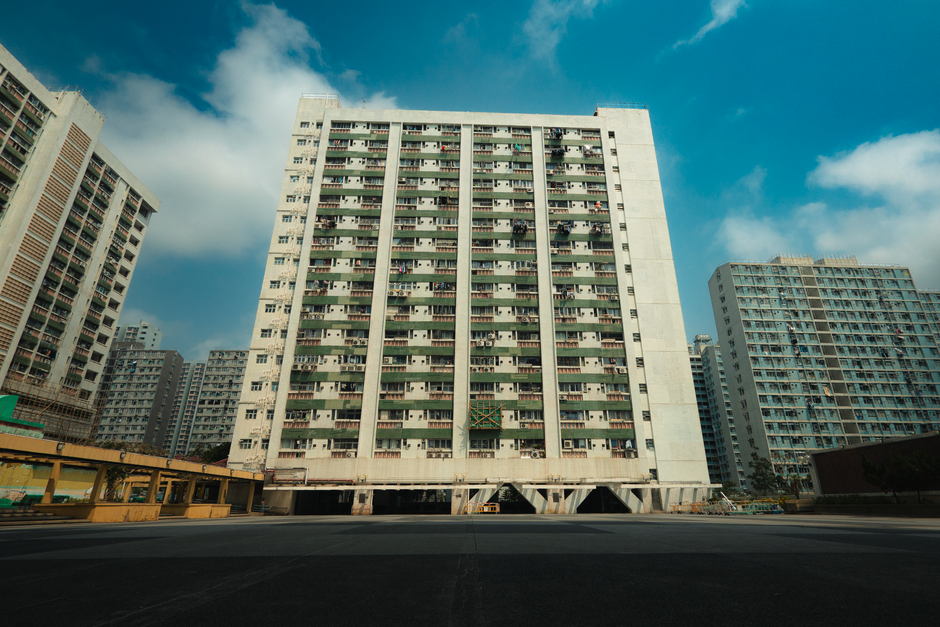
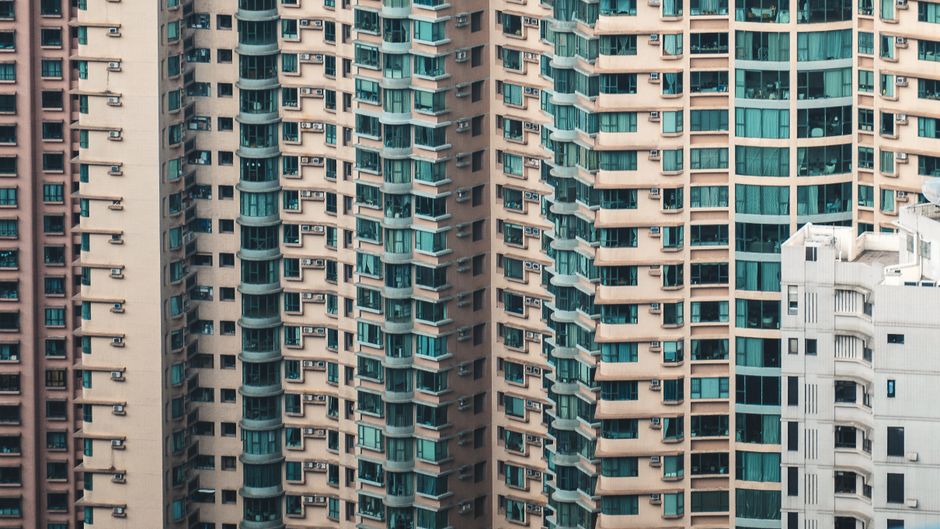
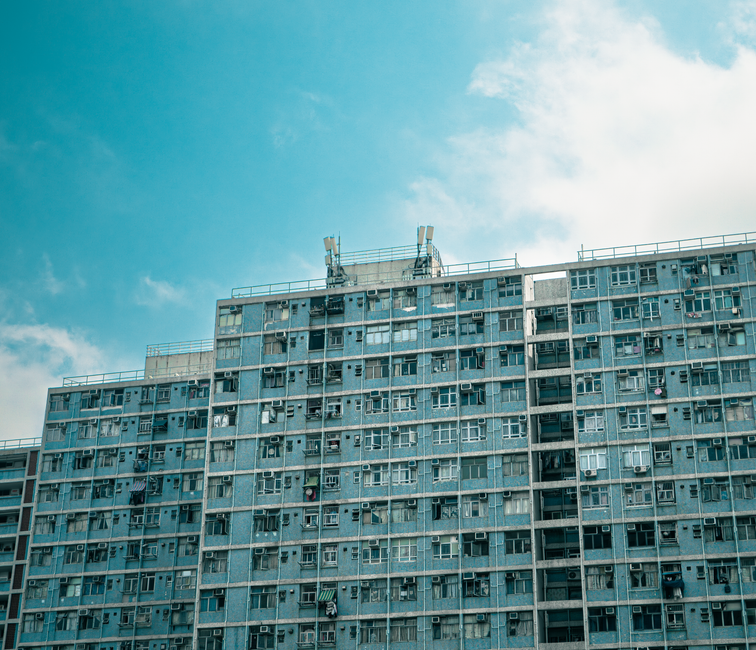
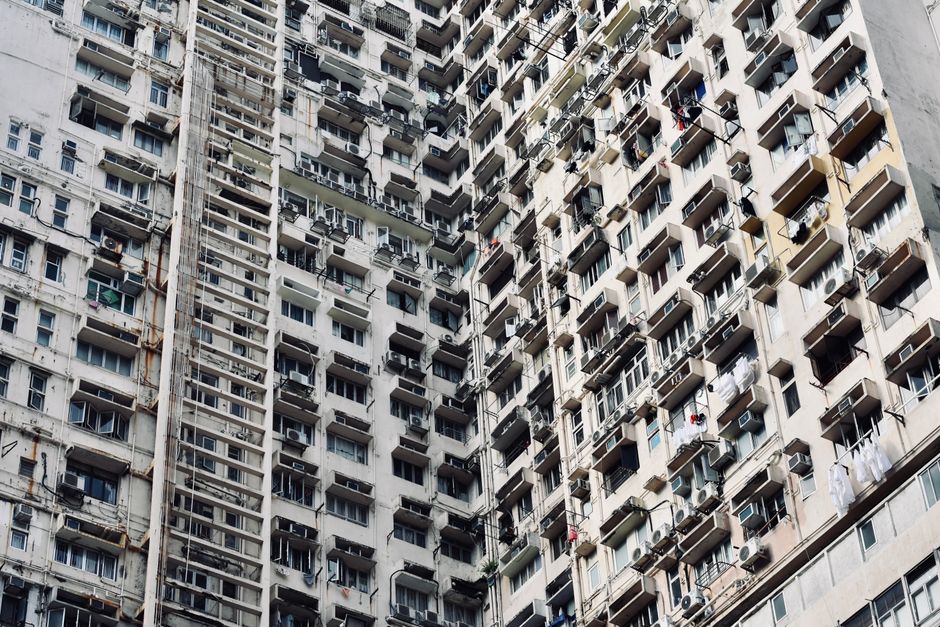
Residential yields in Hong Kong are running at roughly 3.2 percent gross across the mass market as of mid-2026, according to data compiled by agents tracking transactions in Kowloon and the New Territories. Strip out management fees, rates, vacancy gaps and the revised stamp duty structure, and net returns routinely compress to somewhere between 1.8 and 2.4 percent. That is the number landlords are actually banking — and it is reshaping who buys, how much they pay, and which districts they target.
The timing matters. The government's 2024 decision to ease stamp duty for non-permanent residents and overseas buyers injected fresh demand into the upper-mid and luxury tiers, pushing transaction volumes up sharply in the twelve months that followed. But higher entry prices have widened the gap between gross yield headlines and what landlords see after costs. A typical 500-square-foot unit in Kowloon City — a district that saw several new completions near Kai Tak in 2025 — is now trading at HKD 8.5 million to HKD 9.2 million. Monthly rents for comparable flats in the same area sit between HKD 18,000 and HKD 22,000. The arithmetic is unforgiving.
Where the Yield Numbers Actually Pencil Out
The New Territories remain the one sub-market where the gap between gross and net is narrow enough to attract serious yield-focused capital. Tuen Mun and Yuen Long have both seen transaction activity pick up since January 2026, with entry-level units in some estates pricing below HKD 4.5 million while fetching rents of HKD 12,000 to HKD 14,000 per month. That puts gross yields in the 3.8 to 4.2 percent range — still modest by the standard of many regional markets, but meaningfully above what Mid-Levels or the Peak can offer investors who are not purely chasing capital preservation.
At the luxury end, the calculus is different altogether. On Conduit Road in the Mid-Levels, units in developments such as The Belcher's and older stock along Caine Road are priced at HKD 25,000 to HKD 40,000 per square foot, with monthly rents that have softened from their 2021 peak. Gross yields in that bracket rarely clear 2.5 percent. Buyers there are largely not yield-driven. They are parking wealth, often with an eye on capital appreciation over a five-to-ten-year horizon — a strategy that has worked before in Hong Kong but requires patience the current interest rate environment does not reward cheaply.
What the Softening Rental Market Means for Yield Math Going Forward
Rental growth has been the missing variable for the past 18 months. The Rating and Valuation Department's private domestic rental index showed virtually flat movement in the first quarter of 2026, following a modest 1.9 percent rise across the full year of 2025. With a significant pipeline of new completions expected from Kai Tak, LOHAS Park and various Tuen Mun parcels through late 2026 and into 2027, agents at Centaline and Midland Realty have both flagged downward pressure on rents in oversupplied micro-markets.
For investors who bought between 2020 and 2022 at peak prices, the combination of flat rents and higher financing costs means some portfolios are cashflow negative. Mortgage rates on new Hong Kong dollar loans have eased from their 2023 highs but still hover around 3.5 to 4 percent for standard residential borrowers, erasing the positive carry that made the asset class so attractive in the near-zero rate era.
Practical guidance from agents and independent financial planners converges on a few points. Buyers focused on yield should target districts with strong transport links but limited new supply — Cheung Sha Wan and To Kwa Wan come up repeatedly in that conversation. Anyone underwriting a deal on gross yield alone is setting expectations that the actual bank statements will not meet. And for those holding existing stock, the decision to sell into the current window of post-stamp-duty-easing demand, rather than wait for rental recovery, is one that more landlords are beginning to take seriously as the second half of 2026 gets underway.