Property
Planning Overhaul Reshapes Hong Kong's New Development Pipeline — and Prices
A raft of policy shifts from the Town Planning Board is rewriting which sites get built, where, and at what cost to buyers.
4 min read
Updated 1 h ago
Property
A raft of policy shifts from the Town Planning Board is rewriting which sites get built, where, and at what cost to buyers.
4 min read
Updated 1 h ago
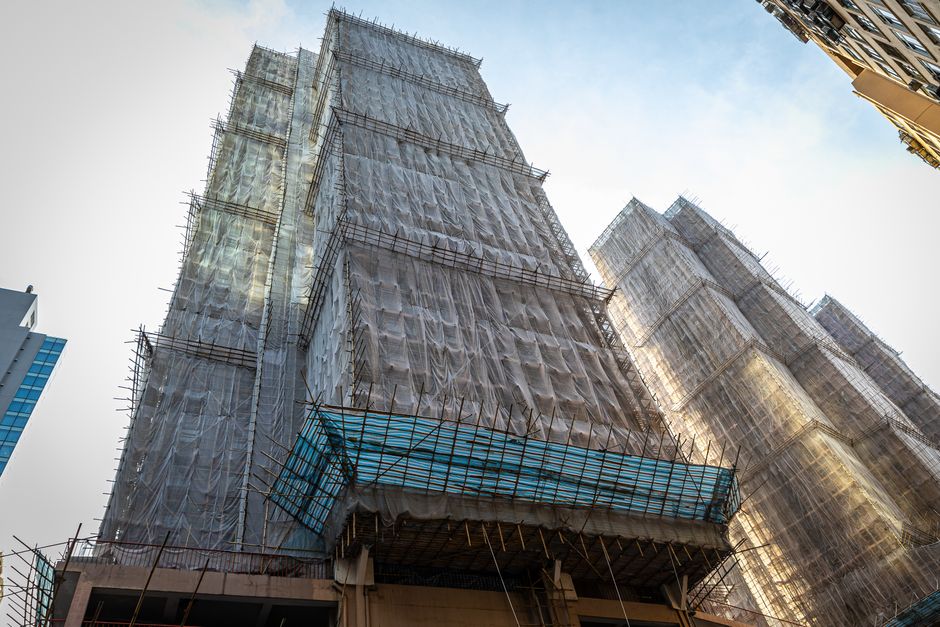
The Town Planning Board approved rezoning applications for three separate sites in the New Territories North corridor last month, clearing the way for roughly 4,200 new residential units across Hung Shui Kiu, San Tin, and Kwu Tung — a combined decision that developers and agents say marks the most significant single-quarter planning shift since the Northern Metropolis Action Agenda was formally adopted in 2023.
The timing is deliberate. With Hong Kong's overall private housing supply pipeline sitting at approximately 98,000 units as of the Land Registry's Q1 2026 count — and completions consistently running below the government's annual target of 12,900 private units — the administration under Chief Executive John Lee has been pressing the Board to accelerate secondary approvals rather than let applications queue for the customary 18 to 24 months. That pressure is now producing results, and the market is beginning to price it in.
The Hung Shui Kiu site, a former industrial plot off Castle Peak Road near the projected Northern Link rail station, received a residential plot ratio of 6.5 — higher than the 5.0 ceiling that applied to comparable brownfield conversions in Yuen Long as recently as 2024. That single number matters enormously to developers' land bids. A higher plot ratio means more saleable floor area per square foot of land cost, which in theory creates room to bring per-unit prices down while maintaining margins. Agents at Centaline Property's Tin Shui Wai branch told The Daily Hong Kong the approval has already triggered renewed interest from at least two Henderson Land-linked entities running due diligence on adjacent lots.
Kwu Tung North, where the Housing Bureau has earmarked parcels for both public rental housing under the Hong Kong Housing Authority and subsidised Home Ownership Scheme flats, is the more politically loaded case. The Board's July 1 sign-off on a revised Outline Zoning Plan extends the residential zone boundary by roughly 14 hectares, absorbing land previously designated for 'village type development'. Existing village residents and their legal representatives filed 47 objections before the hearing date; the Board overruled all of them on public-interest grounds. Legal challenges at the Court of First Instance on Queensway are considered likely before year-end.
The immediate effect on transaction prices is modest but measurable. Secondary market data from mReferral Mortgage Brokerage Services shows average per-square-foot prices in Yuen Long town centre — the closest liquid comparable to the new Northern Territories approvals — have edged up about 3.2 percent since April, reaching roughly HK$8,800 per square foot for units below 500 square feet. That is still well off the post-pandemic peak of HK$11,200 recorded in mid-2021, but the trajectory has reversed from the 18-month slide that ended late last year.
On the luxury end, the policy noise is barely audible. Agents at Savills' Admiralty office note that buyers active around Peak Road and Plantation Road remain focused on the stamp duty reforms announced in the February budget — specifically the reduction of ad valorem duty for non-permanent residents from 7.5 percent to 4.25 percent — rather than anything happening in brownfield Yuen Long. A three-bedroom unit at 21 Borrett Road on Mid-Levels West listed this week at HK$95 million, and the enquiry level, according to the listing agent, is described as solid.
For buyers and investors watching the Northern Metropolis pipeline, the practical calculus runs like this: projects receiving planning approval now will not reach presales launch for at least three to four years given foundation and superstructure timelines. The Hung Shui Kiu site, if Henderson or a rival secures it at Land Department tender later this year, could realistically enter the market around late 2029 or 2030. Anyone expecting near-term supply relief from this week's Board decisions is reading the schedule wrong. What the approvals do signal is that the government has chosen density and speed over heritage and village objections — a political choice that will define how the northern corridor develops for the next decade and that will gradually weigh on prices there even as Kowloon and the traditional urban core remain supply-constrained and relatively firm.
Property
Property
Property
Property
About this article
Published by The Daily Hong Kong
Spread the word
Daily brief
Free, in your inbox before 7am. Weekdays.
Before you go
The day's Hong Kong news in a 2-minute read. Free, weekday mornings.