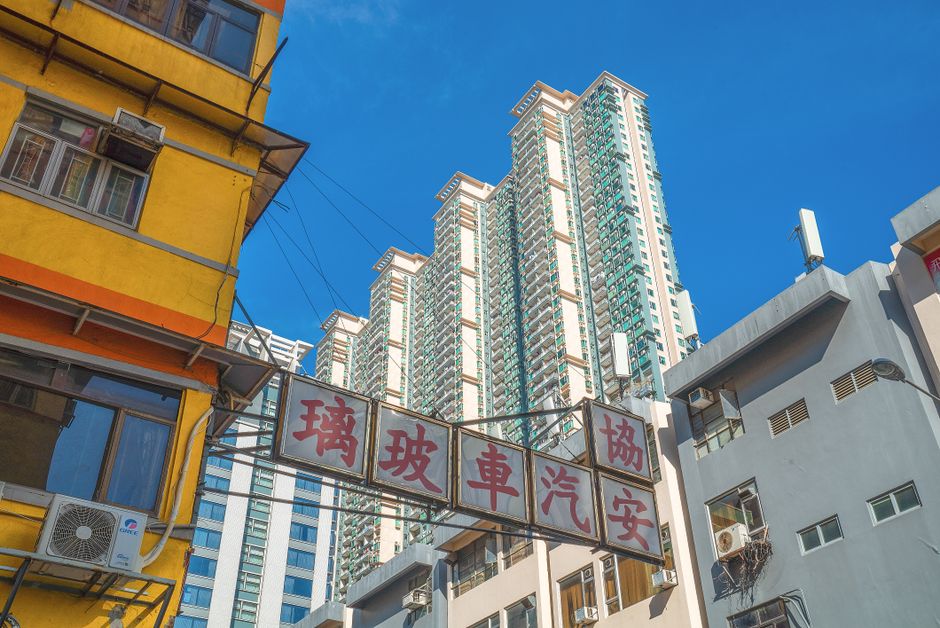
Monthly rents for a two-bedroom flat in Sha Tin now average less than half of what renters pay for similar space on Robinson Road, Central, highlighting a widening affordability gap between Hong Kong’s suburban markets and its prime city neighbourhoods.
The issue comes into sharp focus as stamp duty rules for foreign buyers have been eased this spring, triggering fresh debate over whether tenants are better off renting in satellite regions or stretching to buy in the capital’s vertical enclaves. June data from the Housing Authority show rents creeping upward in city hotspots, even as home purchase activity remains sluggish. With a median flat hovering around HK$9 million this summer, the question of where – and how – Hongkongers should live is dominating family conversations from Tsing Yi to Wan Chai.
District Comparisons: New Territories to City Centre
Take City One Shatin, a sprawling private estate beside the Shing Mun River. There, a 500-square-foot unit rents for about HK$15,000 a month, compared to HK$35,000 or above in Sheung Wan’s CentreStage on Hollywood Road. While home prices have softened further in places like Yuen Long, rental demand remains resilient among families priced out of Hong Kong Island. "We’re seeing more tenants signing two-year leases in Tuen Mun," said a leasing manager with Centaline Property (who declined to be named), pointing to a noticeable migration outwards as professionals seek value over a central address.
The difference in rental yields is also fuelling buyer decisions. In Quarry Bay’s Taikoo Shing, gross rental yields hover around 2.3%, according to June’s Lands Registry update. By contrast, some Yuen Long town flats are achieving above 3.5%. "It’s not just about price per square foot; it’s about how much you get for your money and how long you think you’ll stay," says an agent at Ricacorp. In the luxury segment, supply remains tight in Mid-Levels – but affordability for most Hongkongers remains elusive, with Cascade Court flats fetching up to HK$60,000 monthly and multi-million dollar price tags keeping first-time buyers firmly on the sidelines.
Crunching the Numbers
While buyers face a HK$9 million entry price for a typical flat in districts like Wong Tai Sin or Cheung Sha Wan, renters have more room to shop around. Newly released Rental Index figures from the Rating and Valuation Department show median monthly rents for private flats citywide at HK$39 per sq ft in May 2026. That puts a 400 sq ft Mong Kok apartment at roughly HK$15,600 monthly – while homeownership would require a hefty deposit and mortgage approval most younger buyers can’t reach.
Those working in Central or Admiralty often weigh commute costs against rent, with KCR and MTR lines making outlying New Territories locations more realistic for families. For comparison, London’s recent median rent crossed £2,200 (about HK$22,000) per month for a central flat, according to Knight Frank’s Global Cities Index, making Hong Kong’s urban rents look only modestly higher despite wage stagnation locally—and solidifying the SAR’s reputation as one of the world’s least affordable major cities for both renters and buyers.
Guidance from the Hong Kong Mortgage Corporation points out: for a median-priced flat, a household needs a combined monthly income of at least HK$35,000 to qualify for a high loan-to-value mortgage, squeezing many would-be buyers toward renting, especially in the New Territories, even amid softer sales markets.
Looking Ahead: What Should Renters and Buyers Do?
The consensus among property brokers is to lock in two-year leases where possible. Rental growth is expected to continue in core districts as new expats arrive and the city’s cooling measures have not yet shifted homebuyer behaviour. For buyers, particularly those with long-term plans or family support, shopping in developing districts like Hung Shui Kiu or Kai Tak remains a prudent bet, though mortgage rates have ticked up since early 2025.
From Mei Foo Sun Chuen to Lohas Park, affordability hinges on picking the right district and knowing your priorities. As property incentives shift and the macroeconomic backdrop remains uncertain, Hongkongers will keep scrutinizing not just how much they pay, but where they want to belong: center stage or the city’s fast-growing fringes.