Median monthly rents in Hong Kong's urban districts now outstrip those in rival Asian capitals, pushing many locals and expats to reconsider whether to rent or buy — and in which district. Recent market reports show that a 600-square-foot flat in Sheung Wan or Tsim Sha Tsui now typically commands upwards of HKD 32,000 per month, eclipsing averages in Singapore and Taipei.
This squeeze on affordability hits as city leaders attempt to revive Hong Kong’s population growth and business dynamism. The government’s recent stamp duty relaxation for foreign buyers, announced in February at Tamar government headquarters, is designed to nudge more activity into a market that has seen transactions fall 15% year-on-year across both sales and leases. But for ordinary families and young professionals, the decision to rent, buy, or look further afield remains fraught.
Rental Realities in the City Core
Property analyst Maria Wong of Centaline Property told The Daily Hong Kong that the strongest upward pressure persists in Central and Wan Chai, where luxury serviced apartments at venues like the Four Seasons Place and upper-end towers on Kennedy Road start at HKD 55,000 per month. Meanwhile, rental listings in Yau Ma Tei and Prince Edward, long considered more affordable, have climbed 12% since March according to agency Ricacorp, with two-bedroom flats averaging HKD 22,500 monthly on Shanghai Street.
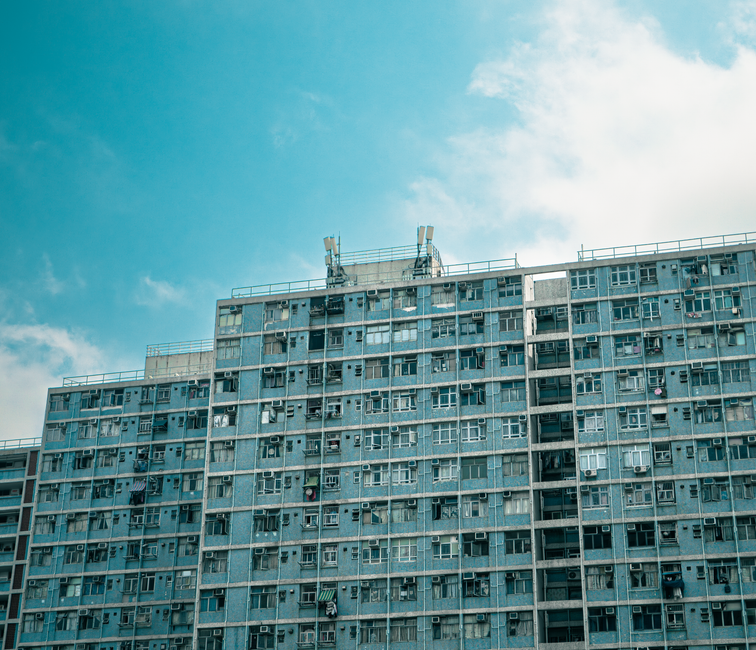
Compare this to local home-buying options: the Hong Kong Housing Authority’s Green Form Subsidised Home Ownership Scheme last month recorded flat sales at Choi Wo Court in Sha Tin for as low as HKD 3.6 million—a 35% discount to new private releases nearby. However, supply remains limited; more than 30,000 applicants currently await subsidised units while private new launches at Victoria Skye in Kai Tak routinely fetch HKD 30,000 per square foot.
Regional Comparisons: Beyond the Fragrant Harbour
For many, the enduring appeal of Hong Kong’s proximity to job centres is weighed against its price tag. According to the Numbeo Cost of Living Index for June, median rents for mid-sized city-centre flats hit HKD 38,100 in Hong Kong, against the equivalent of HKD 27,600 in Singapore’s city-state core, and around HKD 15,800 in the heart of Bangkok. Local property managers say they’ve seen a marked uptick in inquiries from tenants considering nearby Pearl River Delta hubs: a three-bedroom unit in Lo Wu, Shenzhen ranges at HKD 13,000—less than half the asking rent for similar space in Tai Kok Tsui.
When it comes to buying, mortgage repayment for the median HK flat (around HKD 9 million in urban Kowloon, according to Midland Realty data) can easily surpass HKD 38,000 per month before factoring in tax and fees. For many first-time buyers, the lower cost of renting, even at today’s high levels, still prevails. However, for those looking further out—say, the villages surrounding Fanling or Yuen Long—the calculus shifts: entry-level flats can still be found from HKD 4.3 million, with rental yields north of 3% according to JLL, making ownership potentially viable for those willing to commute.
Property consultant Stephanie Lau, who tracks cross-border housing trends, notes a modest rise in Hong Kong residents relocating to Zhuhai or Foshan, attracted by larger homes, modern shopping at Huafa Mall, and average rents below HKD 8,000, though they often face longer border delays and bureaucratic hurdles.
What Next for Renters and Buyers?
With international landlords circling Kowloon sites and the government loosening buyer restrictions, the divide between rental and buying affordability will remain central to the city’s property debate. For locals choosing where to settle in the next two years, it pays to review programs like the Buyer's Stamp Duty Remission Scheme and keep an eye on new government-subsidised projects in Tuen Mun and Hung Shui Kiu, set to launch by early 2028. Meanwhile, those signing new leases this summer should brace for upward rental adjustments—especially in transport-linked zones like Austin Road and Olympic Station.
For now, the city’s property question is this: pay a premium for central Hong Kong, look to the outskirts (or beyond), or take a long shot on the next round of subsidised housing draws. Most will need to balance cost with commutes—while watching transfixed as the market continues to shift beneath their feet.