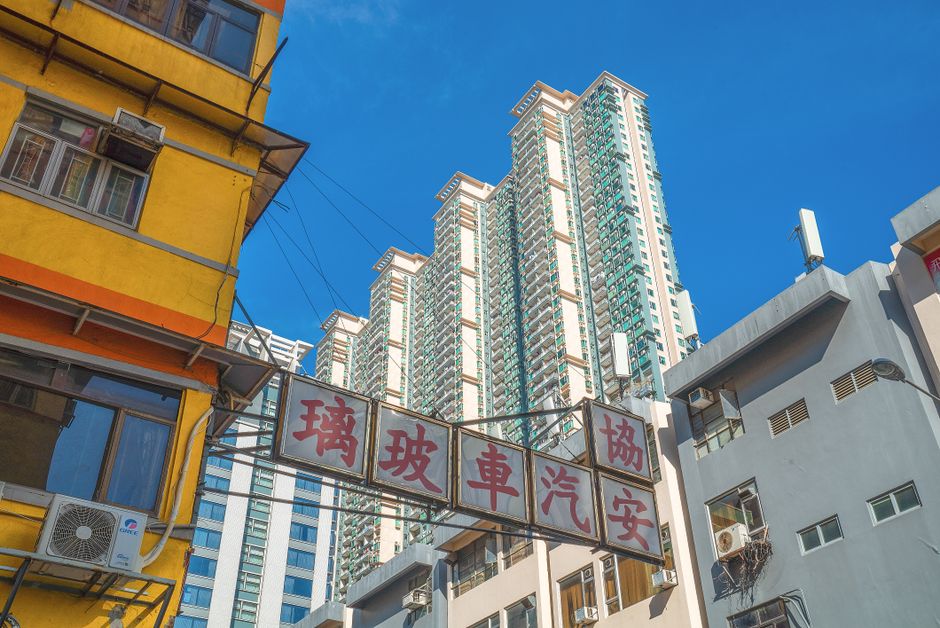
If you walked down Queen’s Road Central this week, you might’ve heard a new term tossed around at coffee shops and real estate offices: rent-vesting. With Hong Kong’s median flat price hovering between HKD 8 million and HKD 10 million, younger professionals and middle-income families are turning to this hybrid strategy—renting where they want to live for lifestyle, while owning investment property elsewhere for financial security.
The switch comes as the city’s property ladder looks steeper than ever. Even as the government relaxed stamp duties for foreign buyers in late 2025, affordability problems have been stubborn. Surging rents in popular districts and eye-watering deposits for purchase flats have forced many to reassess the classic equation of buying a home to live in versus staying a renter. Against a background of stagnant wage growth, the financial logic for rent-vesting is winning converts.
How Rent-Vesting Works in Hong Kong
Instead of sinking all their assets into a compact owner-occupied flat in districts like Taikoo Shing or Mong Kok, rent-vesters lease a flat in a prime location—say, Kennedy Town—while purchasing a less costly property in areas such as Tin Shui Wai or Tuen Mun. The aim: live close to work and the city’s culture, but also stake a claim in the real estate market by owning a unit that’s easier to afford, often in the New Territories.
Consultants at JLL Hong Kong and agents at Midland Realty report a noticeable uptick in clients asking about this approach, especially since the Hong Kong Monetary Authority’s latest mortgage cap adjustments last December. The willingness to commute further for their tenants (but not themselves) is especially common among 30-somethings priced out of neighbourhoods like Quarry Bay or Hung Hom. Land Registry filings from May show new local home purchases in outlying developments, including projects on Castle Peak Road, up 12% year-on-year.
The Numbers: Ownership Costs vs. Renting
The core driver for rent-vesting is the mismatch between where people want to live—and where they can actually afford to buy. The latest Centaline Property Agency index puts the average rent for a two-bedroom flat in Kennedy Town at about HKD 32,500 a month. By contrast, a new 450-sq-ft flat in Kingswood Villas, Tin Shui Wai, sells for around HKD 4.4 million, requiring a 30% (HKD 1.32 million) downpayment and monthly repayments of about HKD 15,900 at a 3.5% mortgage rate. Nationwide, Hong Kong’s home price-to-income ratios remain among the world’s highest at 18.8 times median income according to Demographia’s 2026 survey—a sobering number for many first-timers.
Some rent-vesters target positive rental yields by purchasing in buildings near the West Rail Line, where tenant demand has grown since the MTR South Extension in 2025. Others eye future capital gains in districts like Yuen Long, betting on government infrastructure investments to boost values. Property agents across Sha Tin and Tseung Kwan O confirm that small flats intended for rental are moving briskly, even as luxury stock lingers unsold in Pok Fu Lam and on Mount Kellett Road.
For would-be buyers weighing their next steps, rent-vesting doesn’t guarantee overnight success, but it does open more paths to property ownership without forsaking city life. Mortgage brokers advise that banks still scrutinise rental income projections and demand healthy credit records. For those willing to do the maths—and the commute—rent-vesting in 2026 may be a way to keep the property dream alive, just not in the neighbourhood you call home.