Property
How Much Rent is Too Much? The 30% Rule in Practice
With rental costs stubbornly high, Hongkongers are turning to an old affordability benchmark—often to find it’s long been outpaced by reality.
3 min read
Property
With rental costs stubbornly high, Hongkongers are turning to an old affordability benchmark—often to find it’s long been outpaced by reality.
3 min read
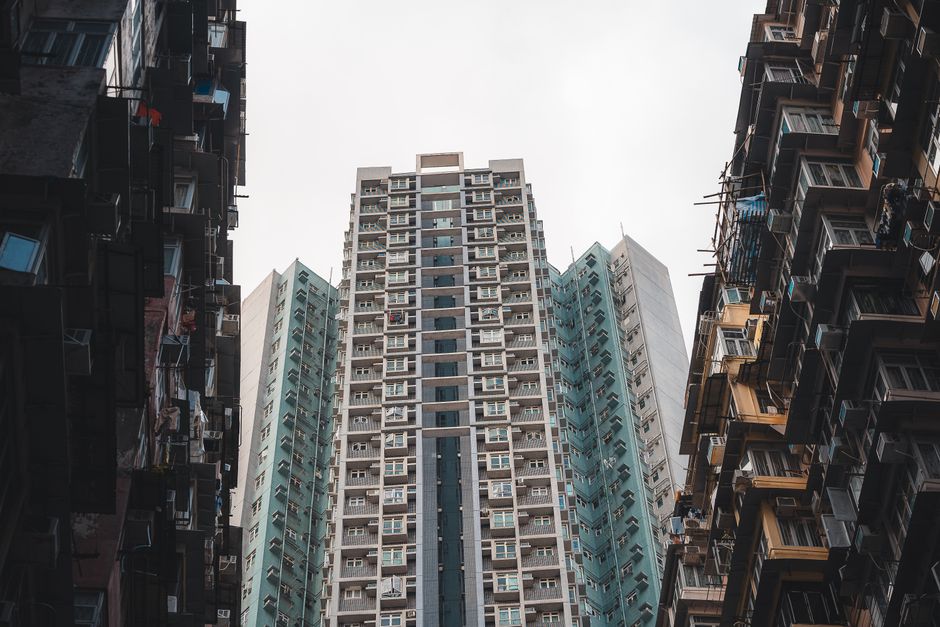
For many Hong Kong renters, the 30% rule—never spend more than a third of your household income on rent—sounds simple but proves nearly impossible. In Sheung Wan, a 500-square-foot walk-up commands upwards of HK$23,000 a month, testing even double-income households.
The topic matters more than ever this summer as inflationary pressures, stagnant wages and persistent housing shortages force would-be buyers and renters to recalculate their options. The Hong Kong Monetary Authority’s easing of mortgage stress tests in May briefly shifted the spotlight to homeownership, but for the hundreds of thousands shut out of the property ladder, rising rents remain the conundrum of daily life.
In Sham Shui Po, a two-bedroom in Tai Nan Street’s mid-rise blocks now fetches around HK$18,000 per month, while newer Kennedy Town flats of similar size exceed HK$30,000 monthly. The Hong Kong Housing Society’s income limit for a three-person family applying for public rental housing stands at HK$26,700. But private market realities diverge dramatically. According to Centaline Property’s June 2026 rental index, median household rent for flats in the 400–600 sq ft range surged to HK$20,800 per month—pushing a growing share of urban tenants well past the 30% threshold unless household income exceeds HK$70,000.
Jasmine Lau, an accountant who recently gave up a Kennedy Town lease, said she spent 42% of her take-home pay on rent. “I thought being careful with expenses would balance it, but I couldn’t save,” she said, echoing a common refrain among twenty- and thirty-somethings crowding city apartment markets.
Recent rounds of stamp duty relief drew waves of speculative homebuyers, marginally easing pressure on the rental market in dense areas like Mong Kok and Sai Ying Pun. Yet overall vacancy rates remain low—Colliers’ Q2 2026 survey showed private rental units hovering at 3.1%, barely changed from last year. In districts like Wan Chai, agents routinely field multiple offers above asking prices for well-located units.
This leaves renters facing hard choices: trade centrality for space by heading to Yuen Long, accept flatmates well into one’s 30s, or max out on rent at the expense of savings and retirement contributions. Public transport links like the Tuen Ma Line help, but not enough to offset yawning affordability gaps. For context, the median monthly salary in Hong Kong was just HK$21,700 in the first quarter of 2026, according to the Census and Statistics Department. At that income, only shared accommodation or government-subsidised housing bring individuals close to the textbook 30% benchmark.
Financial advisors routinely suggest spending under a third of income on housing to buffer against unexpected shocks—a job loss, medical bill, or shifting interest rates. In practice, most tenants in central and mid-tier districts are forced into the 35-45% range or higher. "After the rent, there's only just enough left for basics. There's never enough to get ahead," explained a 28-year-old nurse sharing in Sai Ying Pun, who declined to be named because her landlord is considering raising the rent.
For those feeling the pinch, non-profits like the Society for Community Organization occasionally provide one-off rent subsidies, but these are short-term solutions. Longer-term fixes, such as more accessible transitional housing in Kwun Tong or Shek Kip Mei, remain years out from providing meaningful relief to the private market.
With no sign of immediate reprieve, experts say the best protection is ruthless honesty about what’s truly affordable and, for now, a willingness to compromise on size or location. But for many Hongkongers, the 30% rent rule reads less as advice—and more as a relic from a more forgiving market.
About this article
Published by The Daily Hong Kong
Spread the word
Daily brief
Free, in your inbox before 7am. Weekdays.
Before you go
The day's Hong Kong news in a 2-minute read. Free, weekday mornings.