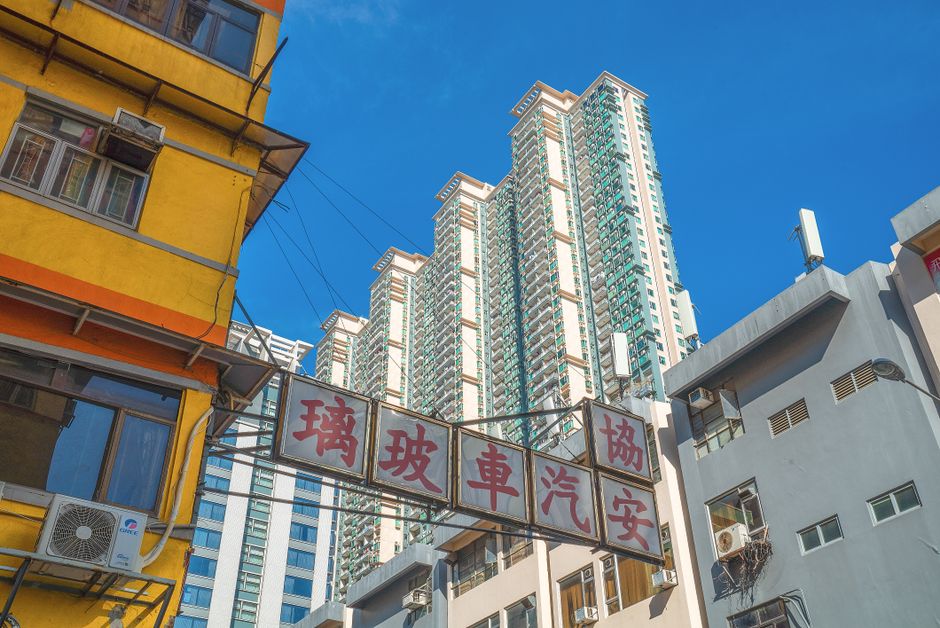
For an increasing number of young professionals in Hong Kong, the path to property ownership is no longer a straight line from renting to buying in the same neighbourhood. Instead, a growing cohort is turning to 'rent-vesting': renting where they want to live—often close to work and urban lifestyle hubs—while purchasing investment flats further afield where prices are lower.
This shift comes as Hongkongers face a stubbornly high median home price, which in April 2026 stood at HK$9.2 million according to data from the Rating and Valuation Department. With city-centre flats around Sheung Wan and Wan Chai commanding steep premiums, residents like 29-year-old marketing manager Natalie (who asked not to use her full name) have found it increasingly difficult to buy close to the action. "I want the convenience of living near the MTR, but the down payment for even a small studio on Hollywood Road is more than I could ever save," she said. Her solution: continue to rent a one-bedroom in Sai Ying Pun, while putting money into a 400-square-foot flat in Tin Shui Wai, which she lets out to tenants.
Hong Kong’s Home Affordability Crunch
The structure of Hong Kong's housing market makes the rent-vesting trend particularly relevant. While popular districts like Mid-Levels and Kennedy Town boast world-class amenities and easy access to Central, prices regularly top HK$25,000 per square foot. A basic 350-square-foot flat in the leafy Mid-Levels can fetch upwards of HK$10 million. By contrast, recent transactions along Castle Peak Road in Tuen Mun, or at Cheung Wang Estate in Tsing Yi, show sale prices under HK$5 million for similar-sized units.
According to the Centaline Property Agency’s analysis published in June 2026, average monthly rent for a 400-square-foot flat in Kowloon Tong hit HK$22,000 this spring. Buying in the same area would require a down payment hovering at HK$2 million after the recent easing of buyer stamp duties. Meanwhile, a far-flung but newly built unit in Yuen Long may cost just HK$12,000 a month in mortgage repayments—making it financially viable as an investment property rather than a primary residence.
The Mechanics and Prospective Pitfalls
The rent-vesting strategy is not risk-free. Financing two homes—one rented, one owned—calls for careful management. Financial planners warn that fluctuating rental yields (currently averaging about 2.6% in New Territories private estates, according to Midland Realty) and periods of tenant vacancy can erode investment returns. On the other hand, buying a modest unit in a market like Kwun Tong or Tin Shui Wai allows for entry-level exposure to real estate, while staying flexible to rent closer to a Central office or in Tsim Sha Tsui for easy commutes.
Those considering this path should factor in costs beyond mortgages—agent fees, repair bills, management fees and property tax all eat into rental income. And with the government maintaining tight regulations on mortgage eligibility criteria, not everyone will qualify to purchase a rental property.
Looking ahead, property analysts from Hong Kong's major agencies expect more first-time buyers to embrace rent-vesting, especially if core district prices remain high relative to household incomes. As always, careful number-crunching and legal advice are strongly advised before taking the plunge. For many, splitting where they rent and buy could prove the only realistic route onto the property ladder in a city where prices show little sign of returning to earth.