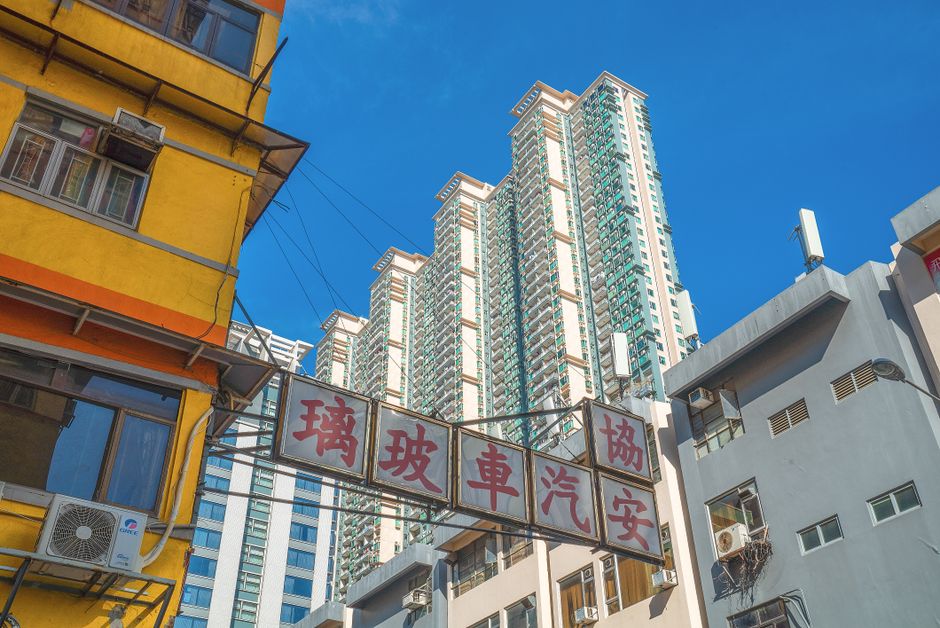
The classic Hong Kong property ladder now features a new rung: forgoing the million-dollar mortgage to rent in town and buy an investment flat further afield. The so-called rent-vesting strategy—living as a tenant close to Central or in Kowloon, while being a landlord in the New Territories—has gained ground as city home prices creep higher even after last year’s stamp duty cuts.
Why Now: Market Shifts and Buyer Hesitancy
The trend matters because, according to estate agency Midland Realty, the median price for a starter flat in Hong Kong hovered between HK$8 million and HK$10 million this spring, outstripping the budgets of many younger buyers. Despite the government’s easing of the Buyer’s Stamp Duty in February 2026, ownership rates among residents under 35 continue to stagnate. Many face a tough choice: compromise on space by squeezing into a shoebox flat in Yau Ma Tei, or remain tenants in convenient areas such as Wan Chai and Mong Kok. The rent-vesting solution, letting buyers rent where they want to live while buying where they can afford, is now seen as a pragmatic route to both lifestyle and long-term investment.
In March, the Hong Kong Mortgage Corporation extended its mortgage insurance program to cover investment properties up to HK$10 million, provided buyers can show sufficient income and assets. This change is a direct response to swelling demand: Centaline Property Agency reported a 19% year-on-year rise in investor mortgage applications from working professionals based in office hubs near Queen’s Road Central, many of whom now commute from rentals along Kennedy Town or North Point. The market has also seen growth in interest for up-and-coming New Territories neighbourhoods like Fanling and Tuen Mun, both offering two-bedroom options below HK$7 million—well under the citywide median.
The Numbers: Pricing and Affordability
Recent data from the Ratings and Valuation Department shows average monthly rents in Sheung Wan reached HK$55 per square foot in June, while rents in Sha Tin averaged only HK$34. Owning a 450-square-foot flat on Castle Peak Road in Tuen Mun might mean mortgage payments as low as HK$16,000 monthly—less than half of what a similarly sized flat would fetch in the Mid-Levels. For many, that creates breathing room to pay HK$20,000 a month in city rents while letting a Tuen Mun tenant cover most of the mortgage repayment. As a result, more than 1,200 loan applicants in the past quarter declared rent-vesting as their intended strategy, according to figures released by the Hong Kong Federation of Insurers.
In practical terms, rent-vesting also lets buyers sidestep the pitfalls of owning a tiny, overvalued flat in town, where expected capital growth has slowed since the fourth quarter of 2025. The Hang Seng Properties Index fell 3% in May, with agents pointing to softening values in central districts compared to sustained demand in the New Territories, where average price growth hit 1.5% for the same period.
For those considering rent-vesting, property managers advise a rigorous approach: research rental yields, accounting for periods of vacancy, and factor in the 15% profit tax on rental income if the investment isn’t owner-occupied. Mortgage brokers along Nathan Road suggest buyers stress-test their finances for potential rate hikes, as HIBOR-pegged loans remain sensitive to US Federal Reserve movements. With the supply of affordable homes tight and many developers, like Sun Hung Kai, focusing on suburban launches, the rent-vesting play is set to attract more would-be owners priced out of traditional strongholds. For now, the balance sheet may favour those willing to split their investment and their lifestyle—provided they do their homework before signing that lease or mortgage form.