Hong Kong’s rental landscape is seeing a surge in build-to-rent (BTR) developments, with new purpose-built projects at Kai Tak and Tseung Kwan O promising stable tenure and hotel-style amenities—an attractive offer as homeownership drifts further out of reach for many residents.
The shift comes amid an affordability squeeze. While the government’s recent easing of Buyer’s Stamp Duty has boosted some interest from non-local buyers, the median private flat still commands around HK$9.3 million, according to Centaline Property’s May report. For the majority—especially the under-40 set—high deposit requirements and spiraling mortgage rates have left renting as the only viable option. Developers and institutional landlords, spotting this demand, are betting that renters want more than just a lease: they want community, facilities, and the kind of flexibility that Hong Kong’s dated apartment stock rarely provides.
What Sets BTR Apart in Hong Kong?
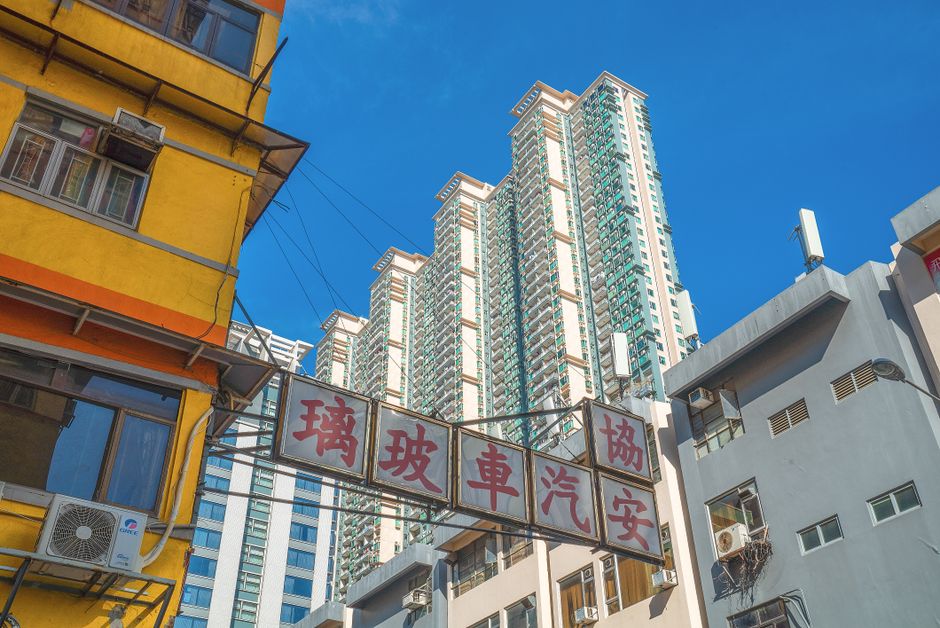
Two of the highest-profile BTR projects launched this summer sit on the former runway of Kai Tak and the fast-growing waterfront at Tseung Kwan O. The 40-story "SkyCity Residences" on Muk Ning Street, managed by Chinachem Group under a long-term leasehold, markets itself to professionals priced out of Mid-Levels but seeking modern amenities: co-working lounges, gym, rooftop bar, and regular resident events. In Tseung Kwan O, New World Development’s "VIVA Harbour" offers studios to three-beds with in-house childcare, music rooms, and a pet-friendly courtyard—features rarely available to conventional tenants nearby.
Unlike most of Hong Kong’s ageing rental flats, BTR units are offered fully furnished and with flexible lease terms—from six months to three years. Management companies handle maintenance, security, and tenant requests via smartphone apps. At SkyCity, a 350 sq ft unit rents from HK$17,800 per month; by comparison, a second-hand private flat with similar size and view in the same area lists for at least HK$7 million, with monthly mortgage repayments topping HK$30,000 at current HIBOR-based rates, assuming a 30% down payment.
Demand, Data, and Who’s Moving In
Industry data backs up the momentum. JLL Hong Kong reported in June that the city’s purpose-built rental stock has doubled since 2022, now exceeding 4,000 units, with 95% occupancy at new launches in both Victoria Dockside (Tsim Sha Tsui) and Wong Chuk Hang. The target demographic skews younger but includes families waiting for public housing allocation; about 28% of new occupants at VIVA Harbour cited being on the government’s waiting list. Students from HKUST and CityU are also prominent tenants, drawn by flexible start dates and all-inclusive bills.
Developers argue that BTR makes renting less risky and more lifestyle-oriented. "We see a new market emerging—people want more security than a one-year private lease, but don’t want to lock up cash in a purchase," said one anonymous industry source. Still, not everyone is convinced: traditional landlords in Mong Kok or North Point warn that BTR “premium” pricing may further widen the city’s affordability gap if not regulated or incentivised for mass market access.
For now, the growth looks set to continue. The Urban Renewal Authority has earmarked two pilot BTR sites in Sham Shui Po for 2027 completion, aiming specifically at singles and young couples earning under HK$60,000 monthly. Prospective tenants should closely compare lease flexibility, included services, and commute times—SkyCity Residences, for instance, is three minutes from Kai Tak MTR, while VIVA Harbour runs a resident shuttle to Kowloon Bay.
With 2027 expected to bring another 2,000 BTR units to market, renters have more to choose from than ever. But as Hong Kong housing evolves, tenants face the tough decision: settle for the familiarity of old flats, or pay a premium and embrace the new conveniences purpose-built rental living promises.