Wellness
From Harbour Views to Mountain Peaks: How Trail Running Is Taking Root Across Hong Kong
As more residents lace up for off-road fitness, dedicated running communities are flourishing in our city's most scenic neighbourhoods.
3 min read
Wellness
As more residents lace up for off-road fitness, dedicated running communities are flourishing in our city's most scenic neighbourhoods.
3 min read
Six months ago, a Tuesday evening gathering of 40 runners at the base of the Peak Trail would have seemed unlikely. Today, it's routine. Trail running—once a niche pursuit for ultramarathon enthusiasts—has quietly become one of Hong Kong's fastest-growing wellness trends, drawing office workers, retirees, and fitness newcomers to the city's most scenic routes.
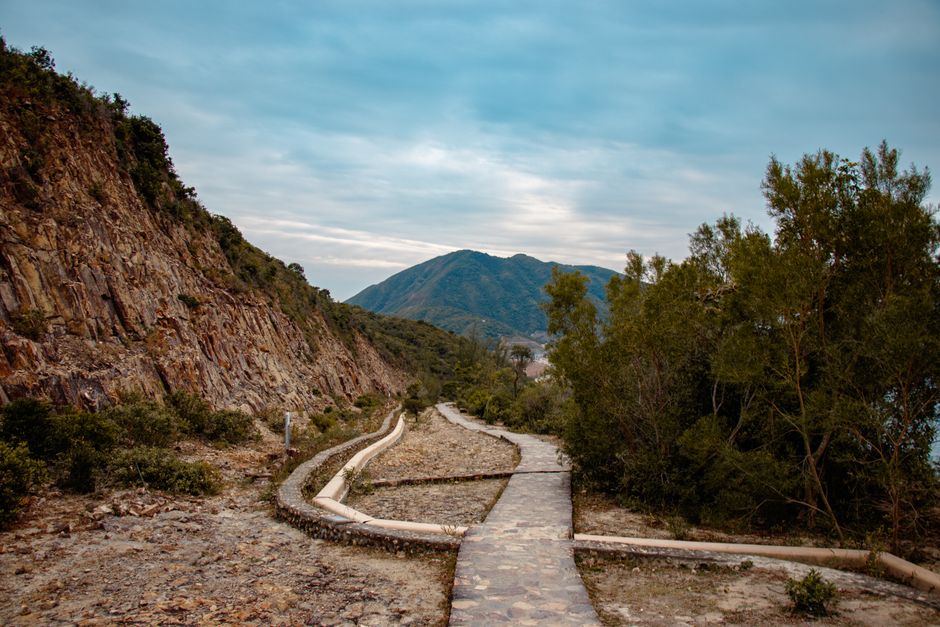
The shift is measurable. Local running clubs report membership surges of 25 to 30 per cent over the past 18 months, with particular growth in group trail sessions. Apps tracking running activity in Hong Kong show a significant uptick in off-road routes compared to traditional street-based jogging, especially along established trails like Dragon's Back in Shau Kei Wan, the MacLehose Trail sections in the New Territories, and the less crowded routes threading through Tai Tam Country Park.
What's driving the trend? Wellness experts point to the convergence of three factors: post-pandemic appetite for outdoor activity, growing awareness of joint-friendly exercise alternatives to road running, and Hong Kong's fortunate geography. With 40 per cent of the territory designated as country parks and trails accessible by public transport, the barrier to entry is low.
"People are discovering that trail running offers both physical and mental benefits without the repetitive impact of asphalt," says Kelvin Wong, an activity coordinator at the Hong Kong Hiking and Outdoor Sports Association. "Plus, our proximity to nature—you're never more than 30 minutes from a trailhead in most urban areas—is a genuine advantage."
Commercial operators have taken notice. Running specialty shops in Causeway Bay and Mong Kok now dedicate entire sections to trail shoes and off-road gear. Group fitness platforms have launched weekend trail-running packages priced between HK$180 and HK$320 per session, often including route guidance and community building. Even the Department of Health has begun promoting trail activities as part of its community wellness initiatives.
The social dimension matters too. Unlike solitary gym sessions, trail running naturally builds community. Evening groups gather at places like the Repulse Bay trailhead, creating informal networks where newcomers feel welcomed. This mirrors the city's traditional tai chi park culture, but with younger demographics.
Local government appears supportive. Recent improvements to trail signage in Sai Kung and the New Territories suggest infrastructure investment, while hiking organisations report smoother coordination with the Leisure and Cultural Services Department for group permits.
For those interested in exploring this trend, starting small—with a guided group run on accessible routes like the lower sections of Dragon's Back—remains the most sustainable entry point. The fitness payoff is real, but the sense of community may be the real draw keeping Hong Kong's runners coming back.
This article was compiled by AI from the sources linked above and screened before publishing. See our editorial standards.
About this article
Published by The Daily Hong Kong
Spread the word
Daily brief
Free, in your inbox before 7am. Weekdays.
Before you go
The day's Hong Kong news in a 2-minute read. Free, weekday mornings.