On any Saturday morning, the carpark near the Peak Tram terminus fills by 7 a.m. Not with tourists, but with runners in technical gear, lacing up for what has become Hong Kong's most visible wellness phenomenon: organised trail running.
The global running market has exploded. Data from the Global Wellness Institute shows trail-running participation surged 34 per cent between 2019 and 2024 across North America and Europe, driven by post-pandemic outdoor fitness adoption. Hong Kong's fitness culture, traditionally anchored by tai chi in urban parks and the MacLehose Trail's hardcore 100-kilometre community, is experiencing a similar awakening—but with distinctly local characteristics.
"We're seeing a democratisation of trail running here that mirrors global patterns," explains fitness wellness research aligned with Department of Health initiatives. Where wealthy joggers once dominated exclusive club memberships in Mid-Levels and Repulse Bay, contemporary running communities now span from Central's busy streets to neighbourhood-based clubs meeting at points like Tai Tam Reservoir and Shing Mun River Park in Sha Tin.
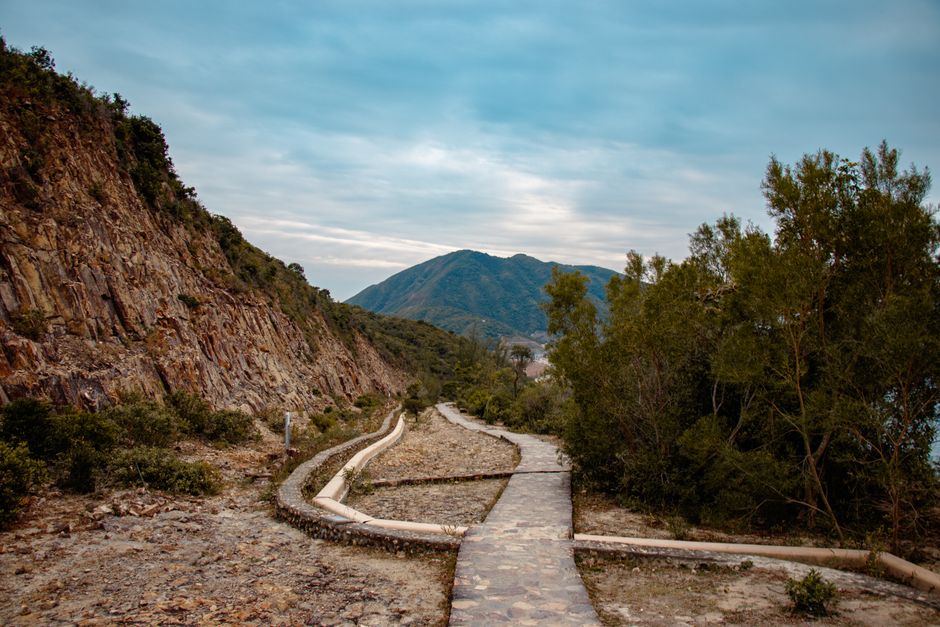
The Dragon's Back hike, which draws 1,500 visitors weekly, has become an unofficial race course. Strava data (a popular fitness-tracking app) shows this Shek O ridge route now ranks among Asia-Pacific's top ten most-used running segments. Meanwhile, smaller trails around Aberdeen and Wong Nai Chung Gap attract consistent clusters of runners tracking comparable times and distances.
What distinguishes Hong Kong's uptake? Cost and accessibility. Unlike premium subscription-based fitness apps popular in Western markets, local runners overwhelmingly rely on free peer networks and WhatsApp groups rather than paid coaching platforms. Running clubs organised through community centres operate at negligible cost—a stark contrast to €80-120 per month gym memberships common in Europe.
"There's less commercialisation here," notes the sustained philosophy within Hong Kong's outdoor fitness circles. Organised races exist—the Hong Kong 100, various 10-kilometre charity runs—but grassroots trail culture prioritises accessibility over brand partnership.
Yet global wellness trends are bleeding through. Wearable fitness technology adoption is accelerating; Garmin and Apple Watch usage among local runners has doubled since 2023. Recovery-focused wellness language—previously niche—now appears in neighbourhood running group messaging.
The shift reflects broader Hong Kong wellness patterns: locals increasingly recognise outdoor fitness as preventative health, not luxury leisure. With the Department of Health promoting active ageing across public parks citywide, trail running has evolved from fringe pursuit to mainstream health behaviour.
The Peak's morning runners, then, represent something larger: a generation recalibrating wellness on their own terms, guided by geography and community rather than global commercial pressures.
This article was compiled by AI from the sources linked above and screened before publishing. See our editorial standards.