Wellness
Trail Running Hong Kong: Local Routes & Culture
Discover Hong Kong's best running trails and how the city's trail culture compares to global fitness trends. From Dragon's Back to the Peak.
3 min read
Wellness
Discover Hong Kong's best running trails and how the city's trail culture compares to global fitness trends. From Dragon's Back to the Peak.
3 min read
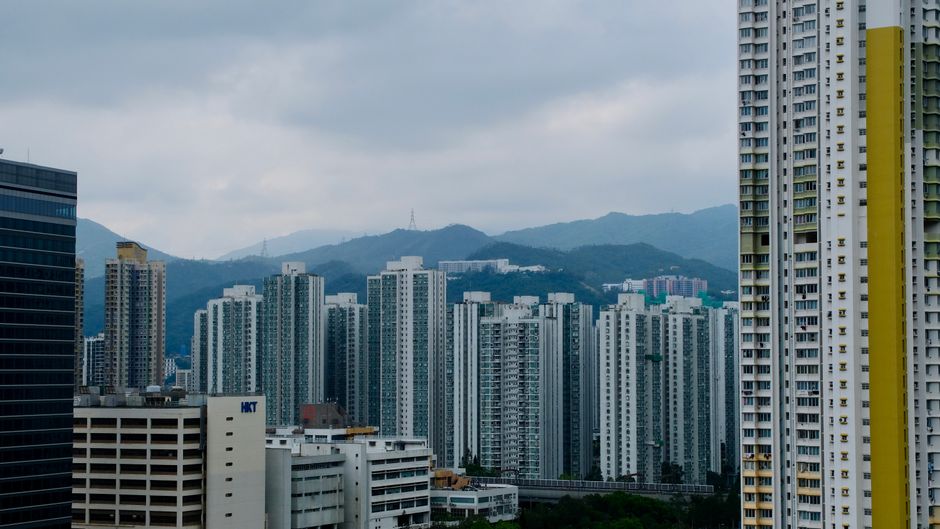
Global wellness trends paint a consistent picture: running is booming. From the rise of trail marathons in Europe to ultramarathon fever sweeping North America, outdoor running has transcended gym culture to become a mainstream lifestyle pursuit. Yet Hong Kong's relationship with outdoor fitness tells a different, more nuanced story—one shaped by our vertical landscape, subtropical climate, and a population already steeped in active outdoor traditions.
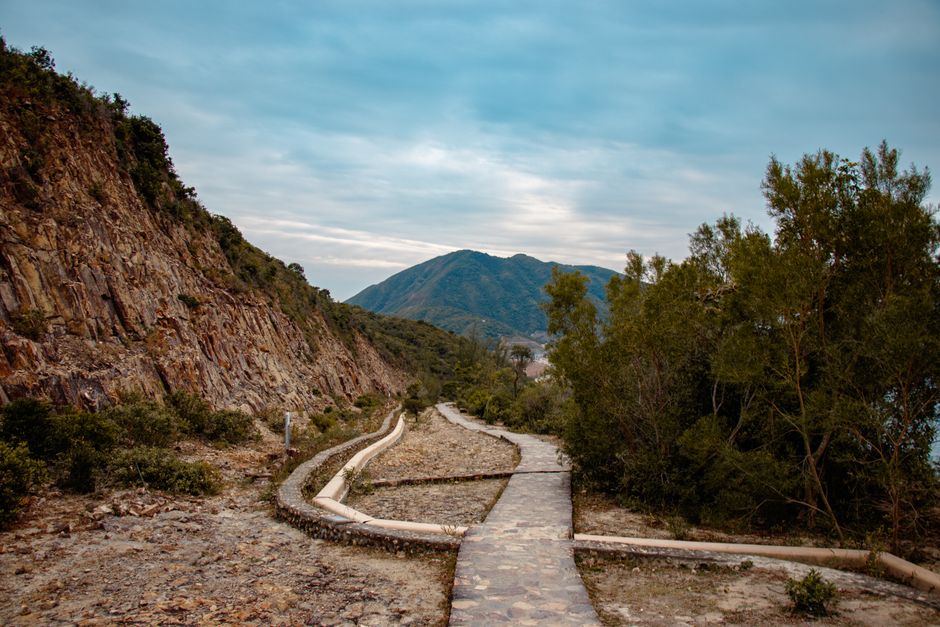
Unlike Western markets where trail running exploded in the last decade, Hong Kong's running community has organically evolved from decades of established hiking culture. The Peak Trail, Dragon's Back in Shau Kei Wan, and sections of the MacLehose Trail have long attracted joggers and runners alongside hikers. Recent years, however, have seen accelerating uptake. Local running clubs have grown substantially, with groups organising regular trail sessions across the New Territories and Kowloon foothills. The Hong Kong Trail, spanning 50 kilometres across Hong Kong Island's ridgeline, has become increasingly popular among serious trail runners preparing for longer distances.
What sets Hong Kong apart from global trends is accessibility wrapped in constraint. While international runners often drive to dedicated trail hubs, locals can access world-class routes via MTR within 30 minutes. A run on Tai Tam Gap or the slopes above Stanley requires minimal planning. Yet the city's summer humidity—typically 75–90 per cent from June onwards—and occasional air quality concerns create barriers that runner communities in temperate climates rarely face. This has spawned local expertise: runners sharing timing strategies for early-morning sessions, hydration protocols, and seasonal route adjustments.
Price-wise, Hong Kong's outdoor running culture remains remarkably accessible. Most Department of Health facilities and public parks charge minimal fees or nothing. Local running clubs often organise free or low-cost group sessions. This contrasts sharply with some Western markets, where trail running has become increasingly commercialised, with premium races and exclusive club memberships commanding substantial fees.
Global data suggests trail running participation grew by approximately 8–12 per cent annually pre-pandemic; Hong Kong appears to be tracking within that range, though formal local statistics remain sparse. What's telling is infrastructure investment: expanded signage on popular routes, improved drainage on steep sections of the Peak Trail, and growing race calendars all signal institutional recognition of demand.
Perhaps most distinctively, Hong Kong's trail running community hasn't displaced its broader hiking culture—the two coexist naturally. Many runners participate in slower social hikes with family or colleagues. This blended approach—combining fitness intensity with social connectedness and local exploration—may be Hong Kong's quieter contribution to global wellness culture: proof that outdoor fitness thrives most when rooted in community rather than trends.
This article was compiled by AI from the sources linked above and screened before publishing. See our editorial standards.
About this article
Published by The Daily Hong Kong
Spread the word
Daily brief
Free, in your inbox before 7am. Weekdays.
Before you go
The day's Hong Kong news in a 2-minute read. Free, weekday mornings.