Walking through Victoria Park on a weekday morning, you'll spot dozens of people practising tai chi—a tradition deeply woven into Hong Kong's wellness culture. But what's happening inside their brains during these movements? Recent neuroscientific research reveals that mindfulness practices trigger concrete neurological changes, shifting how we process stress and emotional regulation.
Studies using functional MRI technology show that consistent mindfulness meditation reduces activity in the brain's default mode network—the neural system responsible for mind-wandering and rumination. When this system overactivates, we experience anxiety and persistent worry. A landmark 2023 study published in JAMA Psychiatry found that mindfulness-based stress reduction (MBSR) produced measurable reductions in cortisol, the stress hormone, comparable to some pharmaceutical interventions.
For Hong Kong residents navigating one of the world's most densely populated cities, this evidence carries particular weight. The Hong Kong Mental Health Association reports that approximately 1 in 7 adults experience diagnosable anxiety or depression—rates reflecting urban pressure, work intensity, and housing stress. Yet accessing specialised treatment remains costly: private psychiatric consultations average HK$1,500–$2,500 per session. This is why research-backed, accessible alternatives matter.
The science extends beyond stress reduction. Neuroplasticity studies demonstrate that eight weeks of MBSR practice increases grey matter density in the hippocampus and prefrontal cortex—brain regions governing emotional processing and decision-making. A University of Massachusetts Medical School review analysing 19 clinical trials found consistent improvements in anxiety, depression, and chronic pain across diverse populations.
Hong Kong's Department of Health recognises this evidence, offering subsidised mindfulness and stress management programmes through community clinics across districts including Central, Causeway Bay, and Mong Kok. The annual cost typically ranges from HK$200–$600 for eight-week courses, making neuroscience-informed wellness accessible beyond private wellness centres.
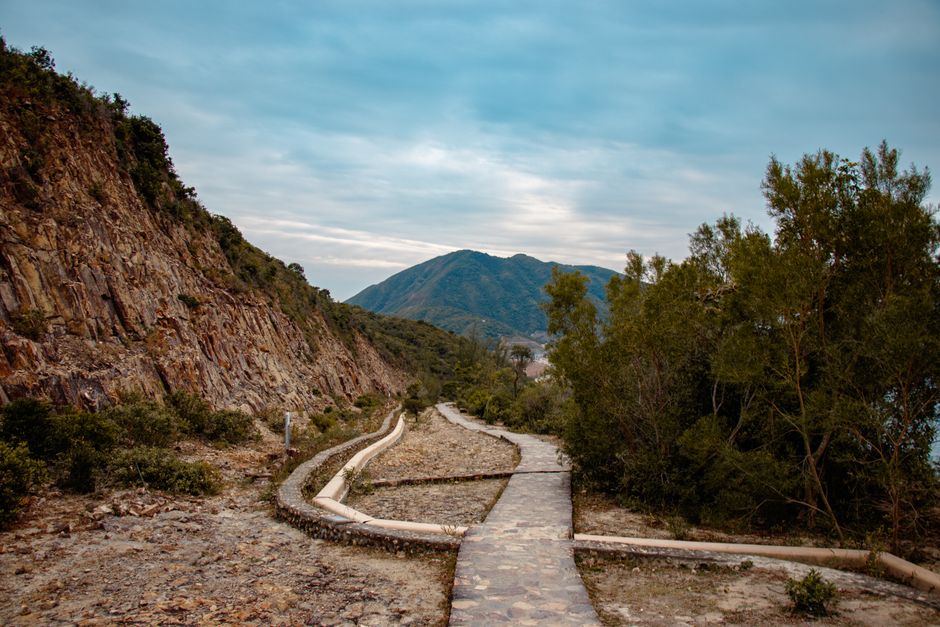
Locally, organisations like the Hong Kong Mindfulness Centre on Des Voeux Road conduct research-aligned practice, while hiking communities on trails like Dragon's Back increasingly incorporate mindful walking—combining physical activity with meditation, amplifying neurological benefits through dual engagement.
The convergence of ancient practice and modern neuroscience validates what Hong Kong's morning park practitioners have long intuited: intentional mental training reshapes not just our experience of stress, but our brain structure itself. For a city running at maximum intensity, that's not wellness philosophy—it's measurable neurobiology.
For stress management support, consult your local Department of Health clinic or speak with a registered healthcare provider about evidence-based approaches suited to your circumstances.
This article was compiled by AI from the sources linked above and screened before publishing. See our editorial standards.