Wellness
Five evidence-based mobility tips that actually work for Hong Kong's seniors
Forget generic advice—here's what research and local conditions tell us about staying active and independent after 60.
3 min read
Wellness
Forget generic advice—here's what research and local conditions tell us about staying active and independent after 60.
3 min read
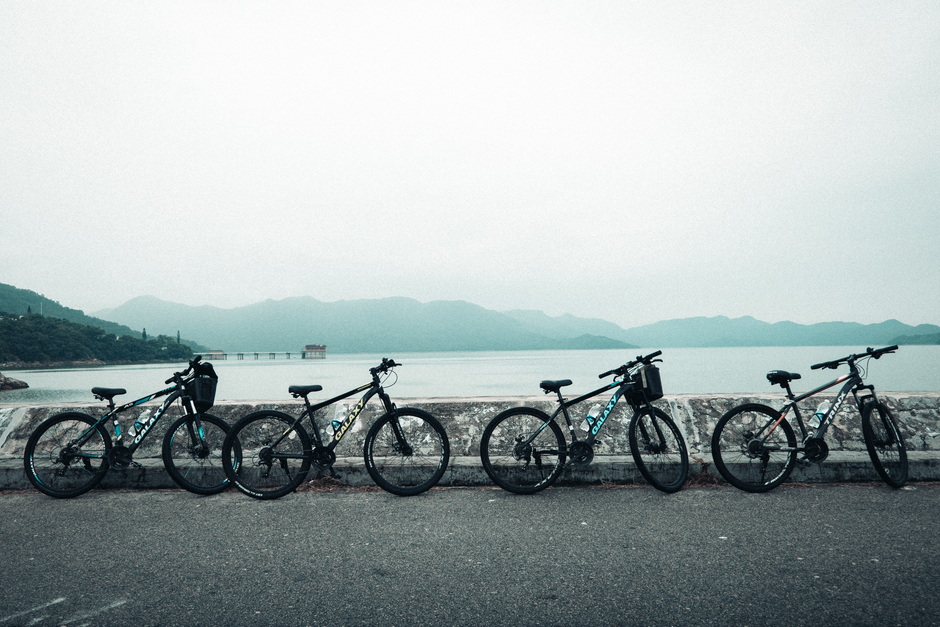
Hong Kong's geography is both a gift and a challenge for ageing joints. The humidity, the hills, the endless staircases—they demand a smarter approach to mobility than most generic wellness advice offers. After reviewing recent research on senior fitness and speaking with local health practitioners, several evidence-based strategies stand out as genuinely suited to our environment.
Start with tai chi in the parks, not the gym. The science is solid: tai chi improves balance, reduces fall risk, and preserves joint flexibility better than conventional strength training for older adults. The good news is that Hong Kong's morning park culture—from Victoria Park to Kowloon Park—makes this accessible and free. The Department of Health runs subsidised tai chi classes at neighbourhood centres across Hong Kong Island, Kowloon, and the New Territories. These aren't one-off sessions; consistency matters more than intensity, and the social element keeps people committed.
Tackle stairs strategically, not avoidantly. Living in a vertical city means avoiding stairs isn't realistic. Research shows that stair climbing preserves lower-body strength and bone density far better than flat-surface walking. The key: use handrails, take your time, and do it regularly rather than in sporadic bursts. Residents near Central or Mong Kok who navigate daily staircases are actually getting targeted lower-limb conditioning that many gym-goers pay for.
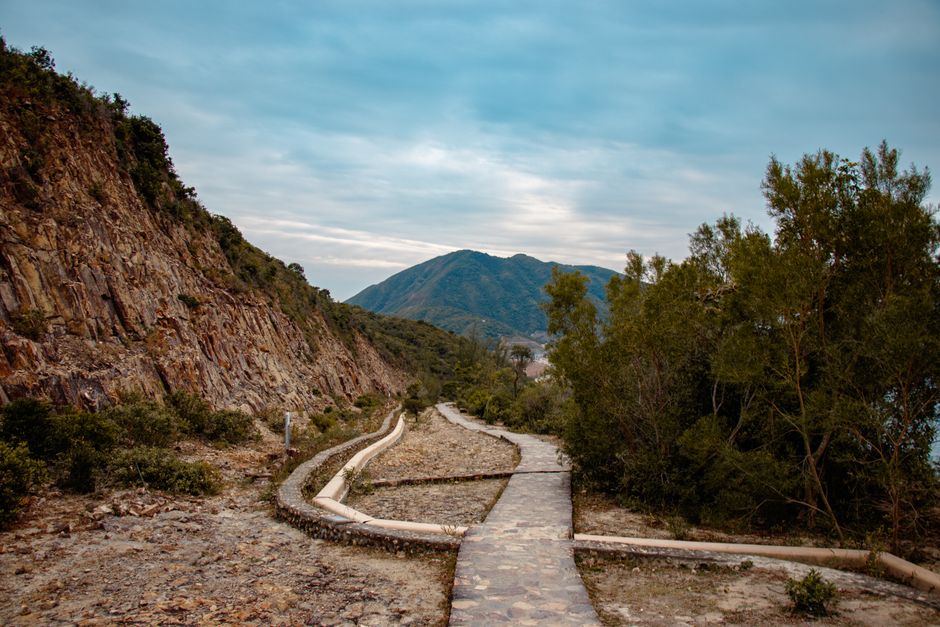
Walk cooler routes during peak heat. Studies confirm that Hong Kong's summer humidity (regularly hitting 80–90%) increases cardiovascular stress for older adults. Shift your walking to shaded trails like Dragon's Back or sections of the Peak Trail early in the morning, or use air-conditioned shopping malls and MTR stations for inclement weather. The distance matters more than the location.
Hydrate before thirst kicks in. Older adults have a diminished thirst response, yet Hong Kong's climate accelerates dehydration. Drink water consistently during outdoor activity—not just when you feel thirsty.
Consider water-based activities. Swimming and aqua aerobics reduce joint load while building functional strength. Many community centres in Causeway Bay, Wan Chai, and Tsuen Wan offer affordable lane swimming and senior aqua classes (typically HK$20–50 per session). Buoyancy reduces injury risk, which matters when you're maintaining independence in a high-mobility city.
The underlying principle: Hong Kong's specific environment—heat, humidity, steep terrain, and urban density—actually supports active ageing if you work with it rather than against it. Consistency beats intensity. Accessibility beats perfection.
For personalised advice on mobility concerns, consult your GP or visit a Department of Health clinic in your district.
This article was compiled by AI from the sources linked above and screened before publishing. See our editorial standards.
About this article
Published by The Daily Hong Kong
Spread the word
Daily brief
Free, in your inbox before 7am. Weekdays.
Before you go
The day's Hong Kong news in a 2-minute read. Free, weekday mornings.