On any weekday morning, Victoria Park fills with hundreds of seniors moving through tai chi sequences. Across the harbour in Kowloon Park, similar scenes unfold. These aren't niche wellness classes; they're the backbone of how Hong Kong approaches active ageing—a model that stands in sharp contrast to the boutique fitness studios and geriatric rehabilitation centres dominating Western wellness markets.
Global trends show older adults increasingly turning to premium gym memberships, personal trainers, and specialised mobility programmes. A 2025 International Health and Racquet Sportsclub Association report noted that senior fitness programmes in the US and Europe command fees averaging USD 80–150 monthly. Hong Kong's approach tells a different story. Department of Health community centres offer tai chi classes for HK$40–60 per session, while the city's extensive network of public parks remains free.
The numbers reflect uptake differences too. Recent data from the Hong Kong Elderly Commission suggests roughly 35% of adults aged 65+ engage in regular physical activity—slightly below global averages (OECD: 38–42%), yet Hong Kong's definition of 'activity' often includes informal practices like morning park routines rather than structured gym sessions. This grassroots model has deep cultural roots. Tai chi, practised in parks from Central to Tseung Kwan O, remains the most accessible senior mobility intervention.
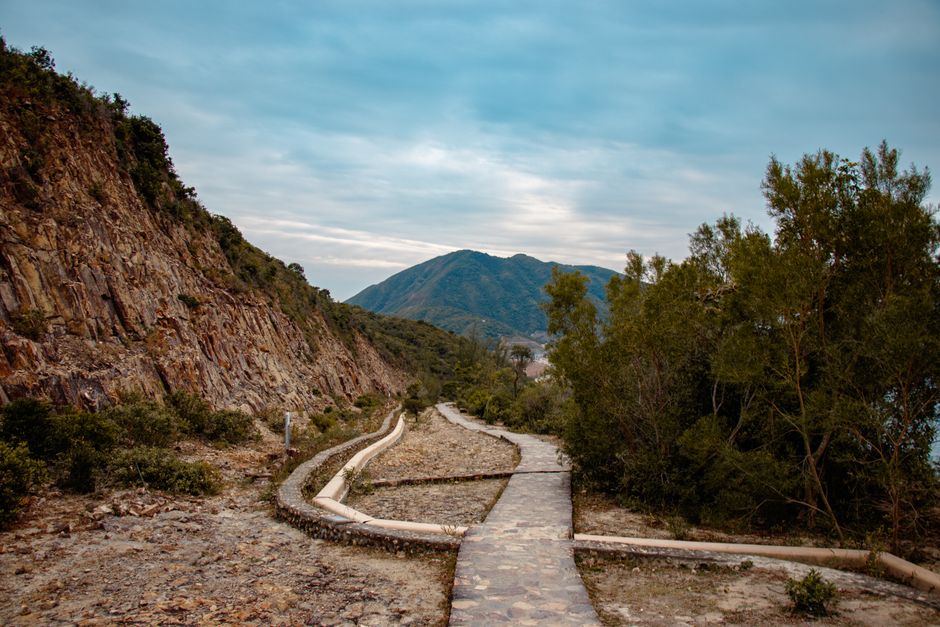
Yet Hong Kong is quietly modernising. Hiking uptake among older adults has grown visibly. The Peak Trail and Dragon's Back—once dominated by younger trekkers—now see regular groups of 60+ hikers. The MacLehose Trail, spanning 100km across the New Territories, attracts organised senior hiking groups monthly. Local organisations like the Hong Kong Hiking & Mountaineering Club report a 22% increase in participants aged 65+ over three years.
What distinguishes Hong Kong's approach is infrastructure equity. A retiree in Mong Kok accesses the same tai chi instructors and trails as someone in Mid-Levels. Compare this to global models, where senior mobility programmes cluster in affluent urban zones or require private membership.
Dr consultation remains critical—especially for those with existing mobility concerns. The Department of Health operates clinics across all 18 districts; locals should discuss any new activity programme with their general practitioner before beginning.
Hong Kong's active ageing story isn't about trendsetting. It's about sustainable, culturally embedded practice meeting modern longevity. While the world invests in premium senior fitness, this city has simply kept moving—in parks, on trails, and in community spaces—for decades.
This article was compiled by AI from the sources linked above and screened before publishing. See our editorial standards.