Wellness
The Hong Kong sleep secret: Five practical habits locals swear by
From Tai Chi at dawn to screen curfews, residents across the city reveal the simple routines that transformed their rest.
3 min read
Wellness
From Tai Chi at dawn to screen curfews, residents across the city reveal the simple routines that transformed their rest.
3 min read

Sleep deprivation has long been a badge of honour in Hong Kong's fast-paced culture, but a quiet shift is underway. Across neighbourhoods from Causeway Bay to Sham Shui Po, residents are reclaiming rest—not through expensive interventions, but through habits so simple they've been hiding in plain sight.
The most striking pattern emerges in the city's parks at sunrise. Thousands of Hongkongers now begin their day with Tai Chi, a practice that Department of Health wellness programmes have promoted for over a decade. Regular participants report deeper sleep within weeks, thanks to the combination of gentle movement and circadian rhythm alignment. The morning ritual—whether at Victoria Park in Causeway Bay or around the Kowloon waterfront—creates what locals call a "sleep anchor," establishing consistent wake times that naturally improve evening rest.
Temperature control ranks second among successful habits. Many residents have discovered that Hong Kong's notoriously humid summers require strategic cooling. Rather than running air-conditioning all night—a practice that drives electricity bills above HK$500 monthly for summer months—locals are adopting the "cool-down then switch" method: cooling the bedroom to 22-24°C for one hour before bed, then reducing settings overnight. This mimics the natural temperature drop our bodies need for deep sleep.
Screen discipline proves surprisingly effective. Workers in Central and Sheung Wan office districts report that establishing a 9pm digital curfew—leaving phones in another room—improved their sleep quality within two weeks. The habit costs nothing but requires consistency, something Hong Kong's structured culture actually supports well.
A fourth shift involves food timing. Nutritionists working with Department of Health clinics across the New Territories have noted that locals eating dinner by 7pm sleep significantly better than those eating after 8:30pm. The three-hour gap before bed allows proper digestion, reducing sleep disruption.
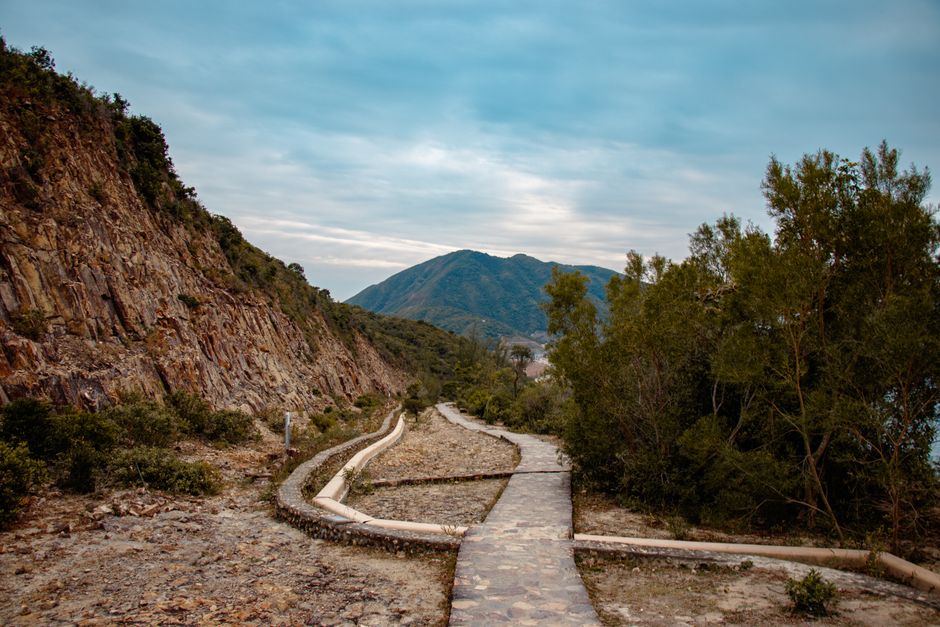
Finally, many Hongkongers are rediscovering weekend hiking as a sleep tool. The MacLehose Trail and Dragon's Back near Shau Kei Wan attract thousands monthly, and participants report that daytime outdoor activity—particularly on elevated terrain with natural light exposure—dramatically improves nighttime sleep architecture. This aligns with emerging research showing that afternoon sunlight exposure strengthens melatonin production.
These habits share one characteristic: they're free or low-cost, require no medical intervention, and integrate seamlessly into Hong Kong life. That's precisely why they're sticking. Sleep isn't solved by pills here; it's being rebuilt, one morning walk and one early dinner at a time.
This article was compiled by AI from the sources linked above and screened before publishing. See our editorial standards.
About this article
Published by The Daily Hong Kong
Spread the word
Daily brief
Free, in your inbox before 7am. Weekdays.
Before you go
The day's Hong Kong news in a 2-minute read. Free, weekday mornings.