When runners lace up for the Peak Trail or tackle sections of the MacLehose Trail, they're not just getting cardiovascular exercise. Emerging research suggests they're engaging in a form of movement that triggers distinct physiological and psychological responses compared to indoor treadmill work.
A 2024 study published in the Journal of Environmental Psychology found that outdoor running increased parasympathetic nervous system activation—essentially the body's 'rest and digest' response—by 23 per cent compared to indoor running at equivalent intensities. For Hong Kong residents managing the stress of urban living, this difference matters. The natural environment itself, researchers suggest, acts as a form of active recovery even during exertion.
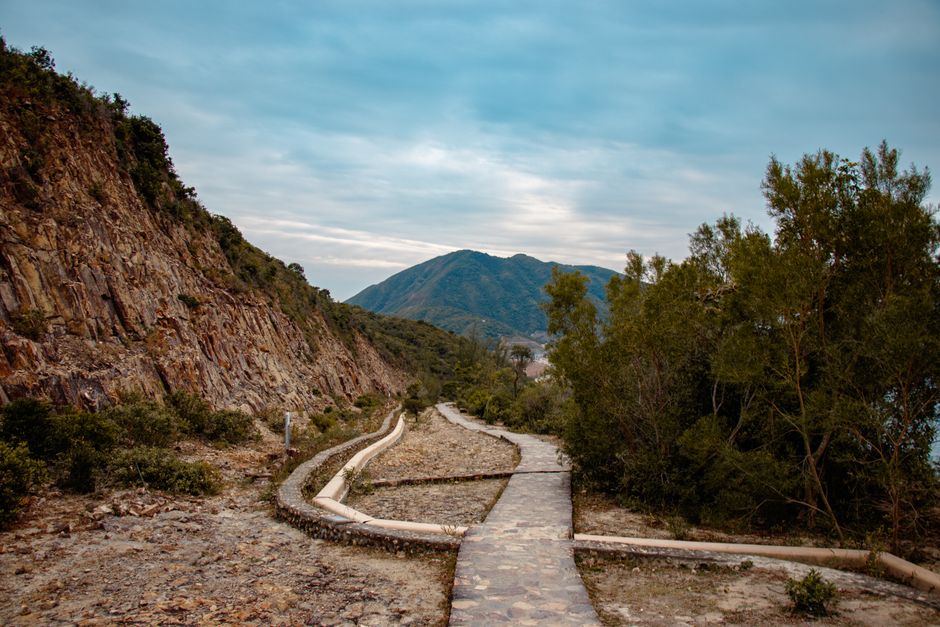
Hong Kong's trail infrastructure offers particular advantages. The Peak Trail loop (3.5km, approximately 45 minutes) provides elevation changes that strengthen stabiliser muscles ignored during flat-surface running. The Dragon's Back hike near Shau Kei Wan, though steeper, builds eccentric strength—the kind that protects joints during downhill movement. Both are free and accessible via public transport, removing cost barriers that often prevent regular participation in structured fitness programmes.
Terrain variability itself carries measurable benefits. A 2023 biomechanics analysis found that trail surfaces demand 8 per cent greater core engagement and 12 per cent higher proprioceptive activation than asphalt. This translates to improved balance and injury resilience—particularly relevant for Hong Kong's older adult population, where fall prevention remains a public health priority. The Department of Health's Active Ageing initiative has quietly recognised this, with several community centres from Wan Chai to Tuen Mun now offering guided trail-walking programmes.
Temperature regulation also differs outdoors. Research from the University of Hong Kong's Sports Science department noted that natural air circulation and shaded sections along woodland trails reduce core temperature elevation by approximately 1.2 degrees Celsius compared to urban route running. For summer fitness in our subtropical climate—where temperatures regularly exceed 30 degrees—this physiological advantage could extend sustainable training capacity.
The accessibility factor cannot be overlooked. A 2025 survey by Hong Kong Parkland Foundation found that 67 per cent of respondents living within 1.5km of green spaces reported exercise consistency above three times weekly, versus 41 per cent among those without nearby trail access. Our city's compact geography means most residents can reach established routes within 20 minutes using public transport.
The science points to a simple conclusion: Hong Kong's natural terrain isn't incidental to fitness benefits—it's integral to them. For anyone considering building or sustaining an exercise habit, the research suggests looking beyond the gym and toward the trails genuinely surrounding us.
This article was compiled by AI from the sources linked above and screened before publishing. See our editorial standards.