Wellness
Five evidence-based stress fixes that actually work in Hong Kong's high-pressure environment
From tai chi in Victoria Park to micro-meditation on the MTR, here's what neuroscience and local experts say really reduces anxiety.
3 min read
Wellness
From tai chi in Victoria Park to micro-meditation on the MTR, here's what neuroscience and local experts say really reduces anxiety.
3 min read
Hong Kong ranks among the world's most stressed cities. A 2024 mental health survey by the University of Hong Kong found 28% of residents report moderate to severe anxiety, with workplace pressure and housing costs cited as primary triggers. But rather than generic meditation apps, evidence-based strategies tailored to local life actually work.
Morning tai chi beats gym anxiety. Instead of expensive fitness memberships, join thousands at Victoria Park or Kowloon Park by 6am. Research in Frontiers in Psychology shows tai chi reduces cortisol levels more effectively than aerobic exercise, particularly for those over 40. The gentle, flowing movement requires minimal equipment and costs nothing. The ritual itself—consistent timing, outdoor air, community presence—addresses what neuroscientists call "environmental stress accumulation" endemic to Hong Kong's dense, fast-paced neighbourhoods.
Compartmentalised micro-breaks work better than "disconnect." A Harvard study found that taking five 3-minute breathing breaks throughout the day reduces overall stress more than a single 30-minute meditation session. For professionals in Central or Admiralty, this means stepping outside during lunch, not heroic digital detoxes. The Department of Health runs free stress-management workshops at clinics across Hong Kong Island, Kowloon, and the New Territories—practical tools rather than aspirational advice.
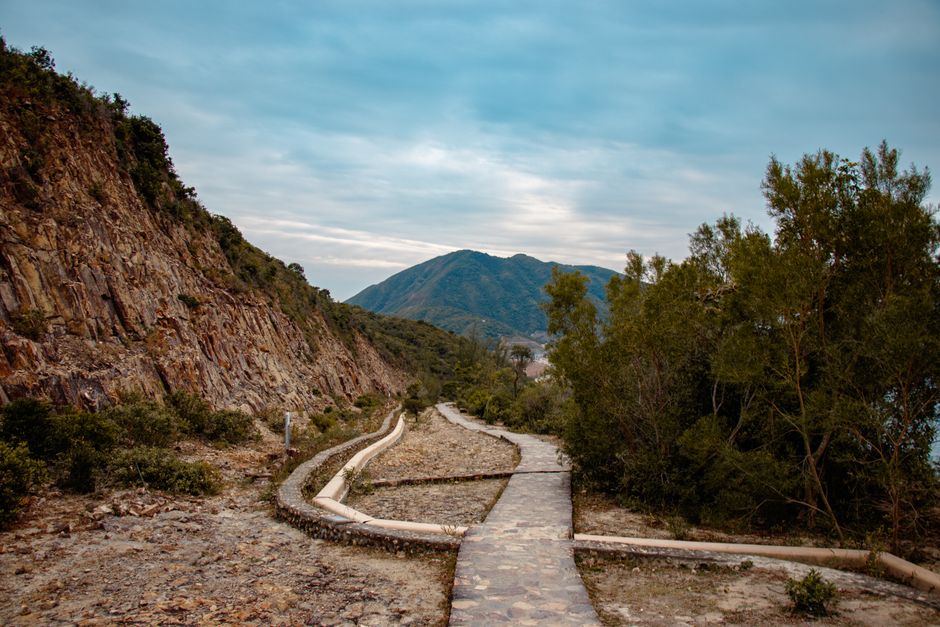
Walking trails beat gym treadmills. A 2023 study in Scientific Reports found nature exposure reduces anxiety faster than indoor exercise. Dragon's Back hiking trail in Shau Kei Wan or sections of the Peak Trail deliver measurable mental health benefits within 20 minutes. Local residents report that the combination of gradual incline, tree canopy, and harbour views addresses both physical and psychological stress simultaneously. It's also free.
Structured social connection matters more than isolation. Loneliness amplifies anxiety. Hong Kong's tai chi parks, hiking groups along the MacLehose Trail, and community centres in neighbourhoods like Sham Shui Po foster belonging without requiring extroversion. Research shows attendance at even one weekly group activity reduces anxiety markers by 15-20%.
Sleep hygiene beats supplements. Hong Kong's average sleep duration is 6.8 hours—below the 7-9 hour recommendation. The culprit: artificial light from high-rise living and late work culture. Simple shifts—blackout curtains (available at Fortress, Mong Kok; around HK$200), avoiding screens after 9pm, and maintaining consistent sleep times—produce measurable improvements within two weeks, according to sleep research at the Chinese University of Hong Kong.
Stress management in Hong Kong isn't about escaping the city. It's about working within it intelligently.
This article was compiled by AI from the sources linked above and screened before publishing. See our editorial standards.
About this article
Published by The Daily Hong Kong
Spread the word
Daily brief
Free, in your inbox before 7am. Weekdays.
Before you go
The day's Hong Kong news in a 2-minute read. Free, weekday mornings.