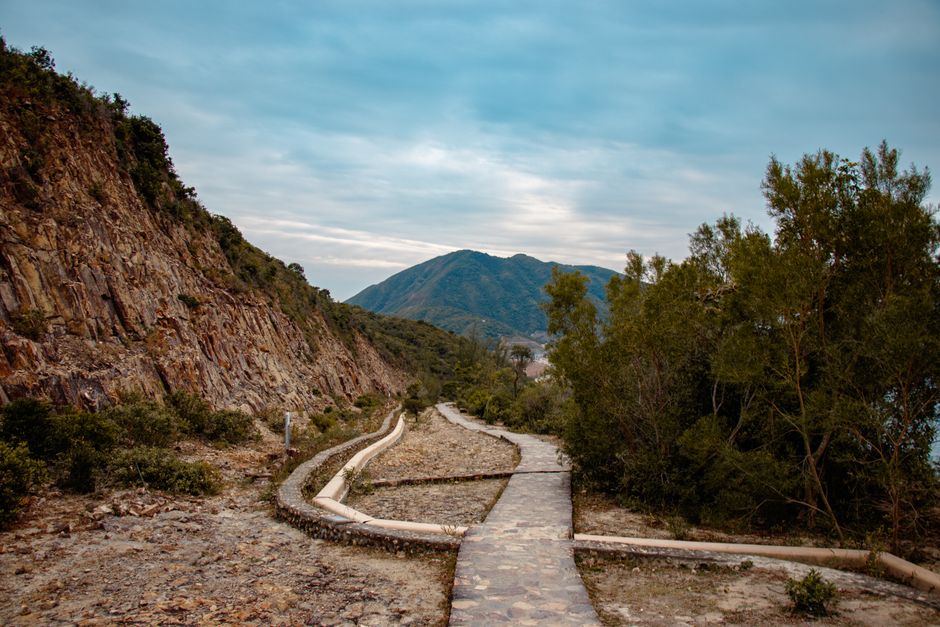
If you've noticed more runners tackling the steep gradients of Dragon's Back or grinding through the Peak Trail's switchbacks on weekday mornings, you're witnessing a quiet shift in Hong Kong's wellness landscape. Yet data suggests the city's trail-running adoption still lags significantly behind global hotspots like Boulder, Colorado, or Switzerland's Valais region—where trail races regularly attract thousands of participants annually.
Global wellness platforms like Strava and Nike Run Club report that trail running has grown 23 per cent year-on-year across North America and Europe since 2022. In Hong Kong, the uptake is measurable but more measured. The Hong Kong Trail Running Association estimates roughly 8,000 active trail runners across the city, compared to approximately 150,000 road runners—a ratio that suggests outdoor fitness here still tilts heavily toward pavement.
Yet Hong Kong possesses natural infrastructure Western cities covet. The MacLehose Trail's 100-kilometre spine draws serious runners, while neighbourhood gems like the Peak Trail (3.5km loop) and Tai Tam Gap routes offer accessible alternatives to busy urban paths. Monthly group runs organised through local running clubs at venues like Central's Cenotaph Park or Causeway Bay's Victoria Park attract growing numbers, though nowhere near the scale of international trail-running festivals.
The gap partly reflects practical factors. A trail-running entry event here—say, the Hong Kong 100 ultramarathon or smaller races organised by groups like Trail World HK—typically costs HK$400–800 in registration fees, comparable to Western standards. But awareness remains the key barrier. Traditional tai chi parks have long anchored Hong Kong's outdoor wellness culture; trail running, by contrast, occupies a newer niche.
International trends emphasise app-based tracking, formal coaching networks, and social media visibility. Hong Kong runners increasingly mirror this: Instagram hashtags like #HKtrailrunning show growing community documentation, and local running shops on Wellington Street in Central or Mong Kok's athletic clusters stock mainstream trail shoes alongside road-running stock.
Yet Hong Kong's distinct advantage lies in density and proximity. A runner in Mid-Levels can access serious elevation within minutes of leaving home—something most global cities require drives to achieve. As workplace wellness programmes expand and Department of Health initiatives promote active living, outdoor trail fitness appears positioned for acceleration.
The city's trail-running story isn't about matching global numbers; it's about leveraging local topography and community infrastructure to create a distinctly Hong Kong version of a global trend.
This article was compiled by AI from the sources linked above and screened before publishing. See our editorial standards.