From Victoria Park to Virtual Apps: How Mindfulness is Reshaping Hong Kong's Stress Management
As pressure mounts across work and daily life, the city's wellness sector is booming with meditation studios, tai chi classes and digital tools—transforming how Hong Kongers manage mental health.
This article was generated by AI from the linked public sources. The Daily Hong Kong is independently owned and covers Hong Kong news free from advertiser or sponsor influence. Read our editorial standards →
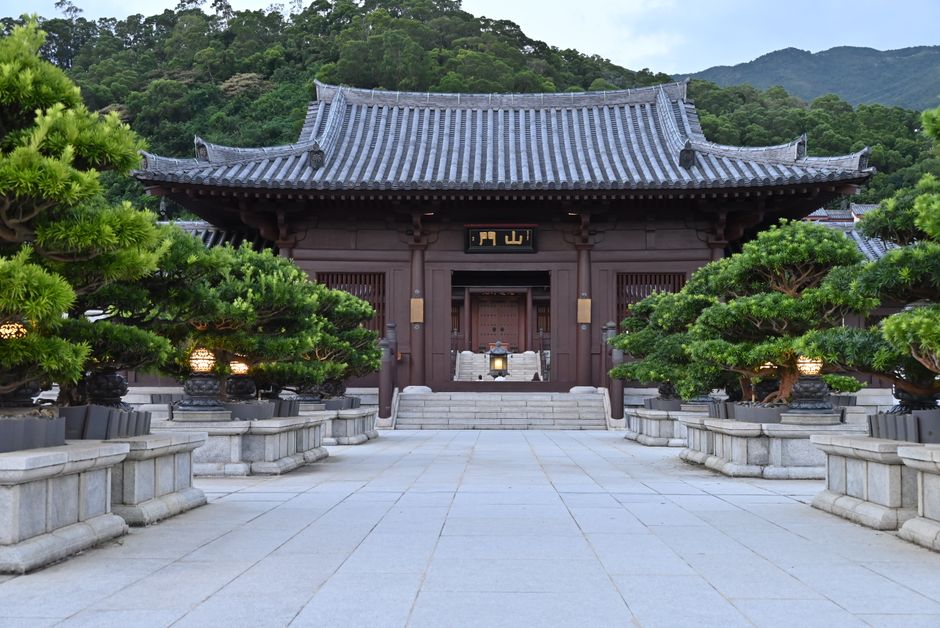
On a humid Tuesday morning in Victoria Park, dozens of residents move through tai chi sequences as dawn breaks over the harbour. This centuries-old practice has long been woven into Hong Kong's fabric—free, accessible, deeply rooted. Yet something has shifted. Alongside traditional tai chi masters, a new wave of mindfulness practitioners now teach breathing exercises, body scans and guided meditation to packed classes across the city.
The trend reflects a broader wellness awakening. According to a 2025 survey by the Hong Kong Mental Health Association, nearly 62% of working adults report chronic stress, with 41% citing work pressure as the primary cause. That anxiety is now fuelling explosive growth in the meditation and mindfulness sector. Studios in Central, Causeway Bay and Sheung Wan now offer drop-in meditation sessions ranging from HK$150 to HK$300 per class, with monthly memberships reaching HK$1,500–HK$2,500. Digital apps offering localised Cantonese-language mindfulness content have also multiplied, filling a gap left by international platforms.
The Department of Health has taken notice. Several community wellness centres in areas like Mong Kok, Tuen Mun and Sha Tin now host subsidised mindfulness workshops, recognising mental resilience as a public health priority. Meanwhile, corporate Hong Kong—notoriously demanding—is embedding mindfulness into workplace wellness programmes. Law firms and financial institutions have begun offering lunchtime meditation sessions, an acknowledgment that burnout remains a persistent challenge in the city's competitive sectors.
Local wellness practitioners emphasise accessibility. Unlike formal therapy, mindfulness requires no clinical diagnosis or waiting lists at overstretched public clinics. Community centres around neighbourhoods like Sham Shui Po and Western District offer free or low-cost introductory sessions, democratising what was once niche.
Yet experts caution against treating mindfulness as a panacea. The Hong Kong Psychological Society stresses that meditation complements—but cannot replace—professional mental health care. For those struggling with clinical depression or anxiety disorders, engagement with registered psychologists remains essential.
What's clear is that Hong Kong's relationship with stress management is evolving. Whether through morning tai chi in parks, meditation studios in office towers, or apps on commuters' phones, the city is gradually normalising the conversation around mental wellness. In a metropolis where pressure is omnipresent, learning to pause, breathe and refocus has become less luxury than necessity.
This article was compiled by AI from the sources linked above and screened before publishing. See our editorial standards.
Covering wellness in Hong Kong. This article was generated by AI from the linked sources and was not reviewed by a human editor before publishing. See our editorial standards.