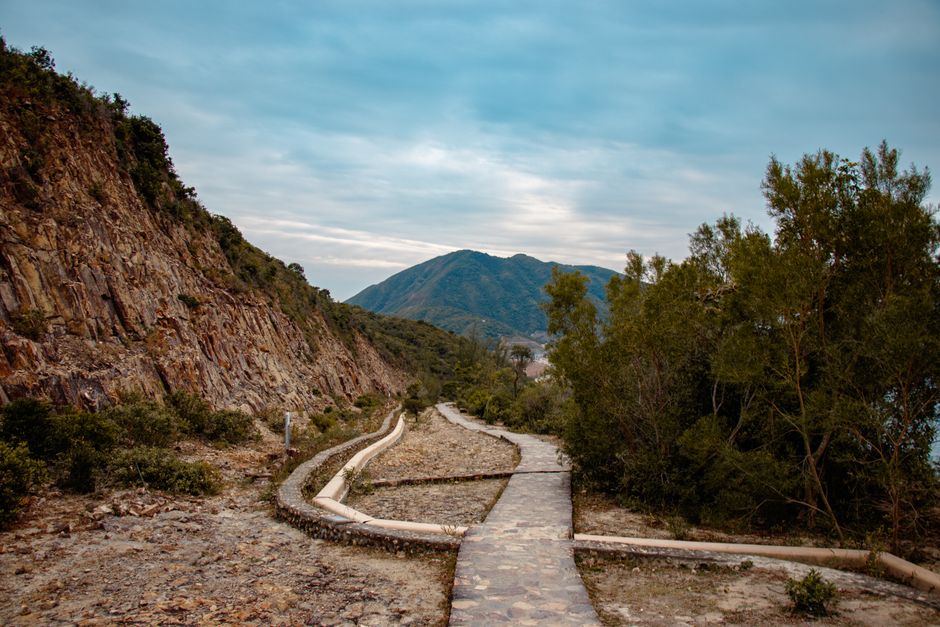
On any given Saturday morning, the carpark at Tai Tam Gap on the Peak Trail is already half-full by 6:30 a.m. This quiet suburb-to-trail pipeline has become something of a wellness phenomenon across Hong Kong's eastern and southern districts, where office workers, retirees, and young professionals are swapping air-conditioned gyms for the humidity and challenge of established running routes.
The shift reflects a broader pattern. According to the Department of Health's 2025 Physical Activity Survey, outdoor trail running participation among Hong Kong residents aged 25–55 increased by 34% over three years. Local running clubs affiliated with the Hong Kong Athletics Association report membership growth averaging 18% annually since 2023, with satellite groups now active in Quarry Bay, Causeway Bay, and even the New Territories along sections of the MacLehose Trail.
What's driving this change? Accessibility and community. The Dragon's Back route near Shau Kei Wan—a 9.5-kilometre loop offering panoramic harbour views—costs nothing to access and requires no membership. The Peak Trail infrastructure, maintained by the Leisure and Cultural Services Department, remains free. These conditions have created a democratised fitness culture that extends beyond traditional sports clubs.
Local running groups meet regularly at designated points: Kennedy Town waterfront on Tuesday evenings, Victoria Park on weekends, and increasingly along converted MTR station exits in Tuen Mun and Yuen Long. Several community-organised initiatives, including the free Saturday runs coordinated through Strava community boards and WhatsApp groups, have grown to 50+ participants per session within months.
The transformation stories emerging from these trails often share a common thread: sustainability. Unlike high-intensity gym commitments, outdoor running integrates naturally into neighbourhood life. Runners report that the social element—the casual chats during cooler morning runs, the shared achievement of hill repeats—creates accountability that indoor fitness rarely achieves.
The physical benefits extend beyond cardiovascular health. Trail running's uneven terrain naturally strengthens stabiliser muscles and improves balance, a particular advantage as Hong Kong's population ages. The mental health dimension matters too: green space exposure during exercise amplifies stress relief compared to indoor alternatives.
For those considering starting, entry barriers remain low. Running shoes cost between HK$600–1,200 at local retailers; trail-specific apps like AllTrails map every established route. The Department of Health's District Sports Centres offer subsidised running clinics across all 18 districts, typically priced under HK$150 for a six-week beginner programme.
As summer heat settles over Hong Kong, these community runners aren't slowing down—they're simply shifting to early-morning sessions and higher-altitude trails where temperatures dip slightly. The movement suggests that Hong Kong's wellness transformation isn't happening in studios or spas, but on the trails where neighbours become running partners.
This article was compiled by AI from the sources linked above and screened before publishing. See our editorial standards.